How should water be managed during the heading and grain-filling stage of rice?
How should water be managed during the heading and grain-filling stage of rice? Please explain. Mid-to-late July is when rice enters the heading and grain-filling stage, and scientific water management is quite critical for increasing rice yield and achieving high yields. For reference, see below: 1. The heading and flowering stage is a period when rice is relatively sensitive to water, second only to the late booting stage in sensitivity...
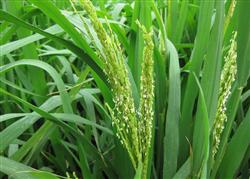
How should water be managed during the heading and grain-filling stage of rice? Please explain.
Mid-to-late July is when rice enters the heading and grain-filling stage, and scientific water management is quite critical for increasing rice yield and achieving high yields. For reference, see below:
First, the heading and flowering stage is a period when rice is relatively sensitive to water, second only to the late booting stage in sensitivity. Heading occurs during the high-temperature season, when transpiration and evaporation are very high, so the water supply must be met and a shallow water layer maintained.
Second, water should not be cut off during the grain-filling stage either. Insufficient water will affect photosynthesis and the transport of carbohydrates, but prolonged flooding is also not acceptable, as it is unfavorable for root growth. Therefore, the method of intermittent irrigation should be used, that is, irrigate once and let it dry naturally for 3-4 days, keep it moist for 2-3 days, then irrigate again with fresh water, repeating this until maturity.
Third, after the yellow-ripe stage, the physiological water requirement of rice decreases. Generally, drainage and drying should be carried out about 7 days before harvest to facilitate harvesting.
Click to get more rice cultivation techniques
Click to get more grain crop cultivation techniques