Garlic Cultivation Techniques: What Are the Common Diseases?
What diseases affect garlic? Here is an introduction. Garlic diseases can be illustrated by the following examples: 1. Types of garlic diseases. 1. Round leaf (also called barrel): This disease mainly appears during the period before the garlic scape emerges. The leaves at the top of the garlic form a barrel shape that tightly wraps the garlic scape inside the barrel, causing the scape to become enclosed or broken. ...
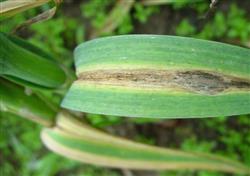
What diseases affect garlic? Here is an introduction.
Garlic diseases can be illustrated by the following examples:
I. Types of garlic diseases
1. Round leaf (also called barrel): This disease mainly appears during the period before the garlic scape emerges. The leaves at the top of the garlic form a barrel shape that tightly wraps the garlic scape inside the barrel, causing the scape to become enclosed or broken.
2. Garlic branching: that is, one plant has multiple branches, nutrients are dispersed, and the main garlic scape lacks sufficient nutrients, becoming thin and short.
3. Spots: This disease mainly appears before the garlic scape emerges. Spots appear on the surface of the garlic scape, including white spots, yellow spots, red spots, etc., causing the garlic scape to rot or become moldy.
4. Garlic glume turning red or flowering: The glume of a good garlic scape is green and does not flower, while an infected garlic scape turns red and flowers as soon as it emerges, before it has bent down.
5. Leaves turning yellow, withering and dying: This is a relatively serious disease of garlic. Once this disease appears, it will spread and expand, and may even cause large patches or an entire field to wither and die.
II. Causes of the diseases
1. Aging garlic seed. Variety aging and degeneration lead to more diseases.
2. Aging soil with more residual pathogens. Repeated planting year after year, planting corn in garlic fields and planting garlic in corn fields, means the land cannot be deep-plowed, weeds grow in abundance, and pests and diseases are extremely numerous.
3. No organic fertilizer. In particular, the lack of organic fertilizers such as pig manure and chicken manure causes soil compaction and worsens salinization.
III. Fundamental solutions
1. Practice proper crop rotation to prevent soil aging. Garlic plots should be adjusted frequently.
2. Deep-plow the land to reduce weeds, pests and pathogens. Deep plowing can bury weeds, pests and pathogens remaining in the surface soil deep underground, achieving the purpose of sterilization and pest elimination.
3. Spray pesticides in a timely manner to control pests and ensure that garlic grows normally without being affected by pests and diseases.
4. Apply more organic fertilizer, especially pig manure and chicken manure, to keep the soil loose and soft, and provide a high-quality ecological environment for good garlic growth.
Click to get more garlic cultivation techniques
Click to get more vegetable cultivation techniques