What common problems affect summer corn yield?
What problems affect summer corn yield? Please give an introduction. The main factors affecting summer corn yield are as follows: 1. Careless selection of seeds. Because the current seed breeding system is still not perfect enough, substandard corn seeds still account for a relatively large proportion. Some farmers covet cheap prices and buy from small vendors or irregular seed...
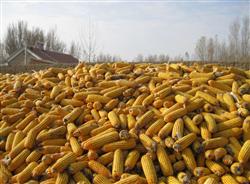
What problems affect summer corn yield? Please give an introduction
The main factors affecting summer corn yield are as follows:
1. Careless selection of seeds. Because the current seed breeding system is still not perfect enough, substandard corn seeds still account for a relatively large proportion. Some farmers covet cheap prices and buy so-called improved seeds at low prices from small vendors or irregular seed business departments, resulting in serious yield reduction.
2. Unreasonable planting density. Too high a planting density is a fairly prominent problem in current summer corn production. For example, some farmers planting "Nongda 108" leave more than 5,000 plants per 667 sq m (1 mu), about 1/3 more than the suitable density for this variety. Because the density is too high, the growth and development of individual plants are poor, the rate of empty stalks is high, the ear tip of the female ear is severely bare, and lodging occurs to varying degrees, causing yield reduction.
3. Unscientific fertilization. In fertilization, there is a widespread phenomenon of emphasizing nitrogen fertilizer, neglecting phosphate fertilizer, and ignoring potassium fertilizer and micronutrient fertilizers. This is because crop yield is restricted by the law of the minimum. Applying too much nitrogen fertilizer alone cannot achieve high yield. On the contrary, applying too much nitrogen fertilizer results in poor lodging resistance and serious diseases and insect pests, causing yield reduction to varying degrees. In addition, improper fertilization timing, as well as blindly applying certain "corn special fertilizers" with too low available nutrient content (note: based on the pure content of nitrogen, phosphorus, and potassium; medium and trace elements should not be counted), will both cause yield decline.
4. Untimely watering. The idea of relying on heaven and waiting for rain is serious. Often, instead of watering the "key water" well according to the water requirement pattern of corn, farmers only water "life-saving water" when drought occurs, thus seriously affecting yield.
Click to get more corn planting techniques
Click to get more food crop planting techniques