What are the key technical points for mid-to-late stage cotton management?
How should cotton be managed during the mid-to-late stages of cultivation? Please provide guidance. The following methods can be referenced for mid-to-late stage cotton management: 1. Pruning management. For fields where branches and leaves are so lush that they cover the entire cotton field, remove the old leaves, yellow leaves and empty branches without buds from the lower part of the main stem to achieve light penetration. This not only...
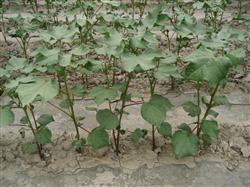
How should cotton be managed during the mid-to-late stages of cultivation? Please provide guidance
The following methods can be referenced for mid-to-late stage cotton management:
1. Pruning management. For fields where branches and leaves are so lush that they cover the entire cotton field, remove the old leaves, yellow leaves and empty branches without buds from the lower part of the main stem to achieve light penetration. This not only allows the leaves to absorb sunlight better, but also helps moisture dissipate, reducing the occurrence of Fusarium and Verticillium wilt.
2. Removing superfluous buds at the right time. Superfluous buds mainly grow at the junction between the fruiting branch and the main stem. They do not form cotton bolls but consume a large amount of nutrients, causing flower buds to drop due to insufficient nutrition, so they should be removed at any time. Not all superfluous buds need to be removed; sometimes those in the leaf axils of the middle and upper fruiting branches can be kept to increase the chance of boll setting.
3. Topping. Topping should be done at the right time. This not only controls the height of the cotton plant, but also achieves ventilation and light penetration, allowing nutrients to better serve the buds and bolls, increasing the boll-setting rate and boll weight, which is conducive to increasing yield and income. If topping is done too early, nutrients will be lost to the upper branches and leaves, causing excessive vegetative growth, shading the lower leaves and affecting ventilation and light penetration. If topping is done too late, the nutrient supply to the autumn bolls will be insufficient, causing late maturity and affecting yield. Based on experience, the most suitable time for topping is generally when about 2 early autumn bolls have formed.
Mid-to-late stage management has a great impact on cotton yield. It should be done at the right time and in a timely manner, and combined with intertillage and soil loosening, to ensure the boll-setting rate and increase yield.
Click to get more cotton cultivation techniques
Click to get more food crop cultivation techniques