How to deal with premature aging of autumn cucumbers? These cultivation techniques you need to master
How to deal with premature aging of autumn cucumbers? Are there any methods to prevent and control it? Please help guide. The harm of cucumber premature aging: cucumber premature aging refers to the plant's vitality being insufficient to support the cucumber through its normal life cycle, with vigor noticeably declining before the cucumber has normally matured, affecting yield and quality; cucumber premature aging in January to...
 How to deal with premature aging of autumn cucumbers? Are there any methods to prevent and control it? Please help guide
The harm of cucumber premature aging:
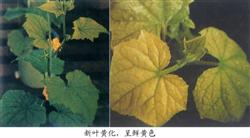
Cucumber premature aging refers to the plant's vitality being insufficient to support the cucumber through its normal life cycle, with vigor noticeably declining before the cucumber has normally matured, affecting yield and quality; cucumber premature aging is most severe from January to March. The common symptoms of premature aging are mainly yellowing leaves, plant shrinkage, delayed fruit development, and many deformed fruits on the lower 50 cm; flower drop is severe, and in serious cases it can cause the plant to wither and die.
Prevention and control methods for cucumber premature aging:
First, widen the day-night temperature difference and increase light inside the greenhouse.
Because light inside the greenhouse is insufficient, photosynthetic products accumulate little and are consumed heavily, which is one of the causes of premature aging. During this period, the daytime temperature inside the greenhouse should be kept at 20-30°C as much as possible, and a night temperature of 12-15°C is best.
On cloudy and rainy days, the light inside the greenhouse is weaker, so the greenhouse film should be wiped in time to increase the light intensity inside the greenhouse, increase the accumulation of nutrients in the leaves, and prevent premature aging of the leaves.
At the same time, special attention should be paid to management after a spell of overcast days turns clear. Because cucumber leaves are large and the transpiration coefficient is high, while the root system is not particularly developed and is easily damaged, when the weather suddenly clears, light and temperature change drastically in a short time, causing great harm to the plants.
Therefore, after it clears, shade appropriately and gradually adjust light and temperature, letting the plants slowly adapt to environmental changes; only then can the harm of overcast days to the plants be reduced.
Second, strengthen root maintenance to ensure nutrient uptake.
Cucumber roots are relatively shallow, mainly distributed in the topsoil within 20 cm, and are greatly affected by environmental changes such as soil temperature, water and fertilizer, so root maintenance should be strengthened before and after overcast days.
During overcast days, plant evaporation is very low, so unless it is especially dry, it is best not to water, to avoid excessive humidity inside the greenhouse causing problems such as root rot. After overcast days, it is also not suitable to water immediately, because at this time the plants are in the recovery period and root activity is still relatively weak; watering too early will aggravate root damage and cause problems such as plant wilting.
It is recommended to water and fertilize only after the plants' roots and so on have recovered, 3-4 days after the overcast days end. At this time the roots are weak, so choose fertilizers that help nourish and promote roots, such as seaweed acid, chitin, and humic acid types, and at the same time they can be combined with fully water-soluble fertilizers to supplement nutrients, such as Fangrun, Leba, etc., at 3-5 kg per mu. Vegetable growers are reminded to note that it is strictly forbidden to apply inferior paste fertilizers with high hormone content; although hormones can promote rapid rooting, they very easily cause premature aging of plants.
Finally, supplement nutrients through the leaves, reasonably apply plant growth regulators, and improve plant stress resistance.
During overcast days, plants lack nutrients and grow weakly, so attention should be paid to supplementing nutrients through the leaves to enhance plant stress resistance. You can spray the leaves with full-nutrient foliar fertilizer, chitin, brassinolide, etc., to supplement foliar nutrition, promote chlorophyll synthesis, and improve photosynthetic efficiency.
Click to get more cucumber cultivation techniques
Click to get more vegetable growing techniques