What kind of moisture conditions does sorghum need for its growth and development?
What are the moisture conditions suitable for sorghum growth and development? Here is an introduction. Sowing can be done when the soil moisture content is 15%-20%. The water requirement at the seedling stage accounts for 8%-15% of the total water requirement throughout the entire growth period. The most suitable soil moisture content is 50%-65% of the field maximum water-holding capacity. During the seedling stage, properly controlling soil moisture...
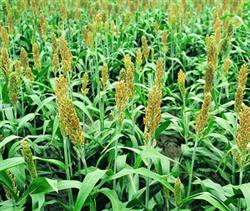
What are the moisture conditions suitable for sorghum growth and development? Here is an introduction
Sowing can be done when the soil moisture content is 15%-20%. The water requirement at the seedling stage accounts for 8%-15% of the total water requirement throughout the entire growth period. The most suitable soil moisture content is 50%-65% of the field maximum water-holding capacity. During the seedling stage, properly controlling soil moisture is beneficial to the rational formation of vegetative organs. The water requirement during the jointing-booting stage accounts for 33%-35% of the total water requirement throughout the entire growth period. The water requirement during the heading-flowering stage accounts for 22%-32% of the total water requirement throughout the entire growth period. At this time, water shortage increases the number of sterile flowers and reduces the vitality of pollen and stigmas, resulting in poor fertilization. Excessive moisture at the heading stage often causes degeneration of the lower branches and spikelets of the panicle. The sensitivity of sorghum to moisture is in the following order: jointing-booting stage, heading-flowering stage, grain-filling maturity stage. Once drought occurs during the grain-filling stage, it will lead to a decrease in grain yield. In the late grain-filling stage, excessive soil moisture will cause delayed maturity with excessive vegetative growth, and may even lead to frost damage.
Click to get more sorghum cultivation techniques
Click to get more grain cultivation techniques