How should pepper seeds be treated before sowing?
How should pepper seeds be treated before sowing? Here is an introduction: before sowing pepper seeds, the following treatments can be carried out: 1. Sun-drying the seeds: before sowing, spread the seeds in a winnowing basket and sun them for 1-2 days (never sun the seeds directly on a balcony). This has a notable effect on enhancing seed vigor, increasing the germination rate and germination energy, and speeding up germination and emergence...
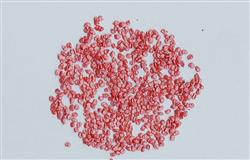 How should pepper seeds be treated before sowing? Here is an introduction
Before sowing, pepper seeds can be given the following treatments:
11. Sun-drying the seeds:
Before sowing, spread the seeds in a winnowing basket and sun them for 1-2 days (never sun the seeds directly on a balcony). This has a notable effect on enhancing seed vigor, increasing the germination rate and germination energy, and speeding up germination and emergence. It also has a certain sterilizing and disinfecting effect. When sowing with old seeds, the seeds must be sun-dried before sowing, and the effect is especially notable.
2. Seed disinfection:
Pepper seeds can carry the pathogens of many diseases, such as anthracnose, phytophthora blight, damping-off, Rhizoctonia solani seedling blight, and bacterial spot. Disinfecting the seeds before sowing is one of the simple and easy methods for disease control.
Hot water seed treatment:To kill the pathogens attached to the seed surface and lurking inside the seeds, hot water can be used to treat the seeds. First soak the seeds in water until they swell; this can reduce the effect of the hot water treatment on seed germination and prompt the pathogens on the seeds to become active, making them easier to kill with heat. Drain the swollen seeds, then pour them into hot water at 52-55°C for 15 minutes. To ensure the sterilizing and disinfecting effect, first make sure of the water temperature. Insert a thermometer, and add hot water as soon as the water temperature drops; second, the specified treatment time must be reached.
Immediately after the hot water treatment, take the seeds out of the hot water and put them into cold water to cool, so that the residual heat does not damage the seeds.
Chemical disinfection:First pre-soak the seeds in ordinary warm water for 4-5 hours. After removing them from the water, soak them in a 1% copper sulfate solution or a 0.1% potassium permanganate aqueous solution for 5 minutes, or soak them in a 100-fold formalin solution for 20 minutes. To prevent pepper viral disease, the pre-soaked seeds can then be soaked in a 10% trisodium phosphate solution for 20 minutes. Placing the pre-soaked seeds in a 1000 mg/kg agricultural streptomycin solution for 30 minutes gives a relatively good effect on controlling bacterial spot and bacterial wilt.
After soaking the seeds in chemicals, the seeds must be rinsed clean with clear water before being sprouted or sown directly. Otherwise, seed germination will be affected. Dry heat treatment. Placing fully dried seeds in a 70°C constant-temperature oven for a 72-hour dry heat treatment can kill many pathogens without reducing the seed germination rate. It is especially effective in preventing viral disease.
3. Seed soaking and sprouting:
If the air temperature and seedbed temperature are relatively high at sowing time, for example when sowing before the Start of Winter, generally dry seeds are sown directly. Conversely, when sowing in cold seasons, to speed up emergence, the seeds are generally soaked and sprouted first. However, if seeds that have been sprouted are sown into the seedbed and a cold wave arrives, and the cold weather lasts for a relatively long period and the seedbed has no heating equipment, the seeds may rot and seedlings may be missing. Sowing dry seeds is relatively safer and the seeds are less likely to rot. With an electric heating seedbed, the seeds are soaked and sprouted first. The soaking time differs among different pepper (sweet pepper) varieties. Generally, the soaking time for pepper (sweet pepper) seeds should reach 8-10 hours.
After the seeds are put into the water, stir them, remove the floating ones, and rub off the contaminants on the seed surface. Then drain the water, wrap the seeds in cloth, and place them in a 25-30°C place to sprout. A constant-temperature oven can be used for sprouting. If this equipment is not available, the heat energy of an electric lamp (a simple sprouting cardboard box), the residual heat of a stove, or placement in a thermos bottle half filled with hot water, or in a heating compost pile can be used for sprouting.
For a small amount of seeds, they can also be wrapped in a wet cloth, then wrapped in a layer of plastic film, and placed in a shirt pocket close to the body or in an incubator to use body temperature for sprouting. During sprouting, turn the seeds frequently; when the seeds are too dry, moisten them with warm water.
Be careful to prevent high temperatures from scalding the seeds. If the temperature is too low, mold will grow on the seeds after a long time, and the seeds must be rinsed clean with warm water and sprouting continued. Generally after 5-7 days, most of the seeds have sprouted and can be sown.
Click to get more pepper growing techniques
Click to get more vegetable growing techniques