What are the precautions for growing corn in summer?
What should be noted when planting corn in summer? Here is an introduction. The main points to note when planting corn in summer are as follows: First, prevent empty stalks. During the corn growing period, due to insufficient supply of mineral nutrients, nutrient imbalance cannot meet the nutrient demand for ear differentiation; planting density is too high, ventilation and light transmission are poor, and photosynthesis is weakened; excessive application of...
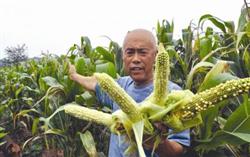
What should be noted when planting corn in summer? Here is an introduction.
The main points to note when planting corn in summer are as follows:
First, prevent empty stalks. During the corn growing period, factors such as insufficient supply of mineral nutrients, nutrient imbalance that cannot meet the nutrient demand for ear differentiation; excessive planting density, poor ventilation and light transmission, and weakened photosynthesis; and one-sided application of nitrogen fertilizer with a lack of phosphorus and potassium fertilizer can all cause empty stalks.
Control methods: Apply appropriate topdressing and irrigation at the jointing stage and the large trumpet stage of corn to facilitate normal ear differentiation and development; when topdressing, do not apply nitrogen fertilizer alone. Nitrogen, phosphorus, and potassium should be applied together to ensure nutrient balance and reduce the empty stalk rate.
Second, prevent bald tips. The main cause of bald tips is a lack of phosphorus in the soil, which blocks sugar metabolism, protein synthesis, and cell division during the booting and flowering stages of corn, causing the top of the ear to shrink, silk elongation to slow down, and pollination to be inhibited; a lack of potassium in the soil blocks the transport of soluble carbohydrates to the grains, resulting in insufficient starch in the grains; pest and disease damage or drought affects nutrient transport, causing bald tips or empty ears.
Control methods: First, prevent premature aging of the plants and apply more phosphorus and potassium fertilizer. During the jointing stage of corn, spray a 0.4% potassium dihydrogen phosphate solution once every 7-10 days, for 3 consecutive sprays, to supplement the lack of phosphorus and potassium; second, irrigate in time, especially during the silking stage when drought occurs, replenish water promptly; third, prevent and control pests and diseases.
Third, prevent premature aging. Causes of premature aging: First, excessive rain in the later period leads to soil compaction and lack of oxygen, obstructing root activity and weakening absorption function, with leaves turning yellow or curling; second, fertilizer deficiency, with plants short and growing slowly.
Control methods: Apply heavy topdressing at the jointing stage and the large trumpet stage of corn, combined with foliar spraying, to supplement nutrients and extend the functional period of the leaves; balance water supply, water promptly when drought occurs, and drain promptly to prevent waterlogging during heavy rain or continuous rainy weather. Ensure normal growth and development of corn.
Fourth, prevent lodging. First, do a good job of seedling restraint to promote sturdy and robust seedlings; second, cultivate and earth up to increase the number of support roots and improve lodging resistance; third, on the basis of increasing potassium fertilizer in the base fertilizer, spray potassium dihydrogen phosphate on the leaves to enhance plant toughness.
If lodging occurs during the corn growth period, active remedial measures should be taken. If lodging occurs after the jointing stage, cultivate and earth up, and there is no need to lift the plants manually; let the corn recover on its own. If lodging occurs after tasseling, lift the plants manually in time and earth up to reduce losses.
Fifth, prevent pests and diseases. In the later stage of corn, large and small leaf spot diseases are prone to occur. In the early stage of the disease, 50% carbendazim or 75% chlorothalonil can be used for control. When corn borers occur in the later stage, control them in time.
Click to get more corn planting techniques
Click to get more food crop planting techniques