What harm does cilantro sclerotinia rot cause?
What harm does cilantro sclerotinia rot cause? What causes cilantro sclerotinia rot? We also ask experienced netizens to help explain. Zhongdiwang has compiled the harm and causes of cilantro sclerotinia rot, listed below for netizens' reference. Harm of cilantro sclerotinia rot: cilantro sclerotinia rot mainly damages the stem base, followed by...
 What harm does cilantro sclerotinia rot cause? What causes cilantro sclerotinia rot? We also ask experienced netizens to help explain
Zhongdiwang has compiled the harm and causes of cilantro sclerotinia rot, listed below for netizens' reference.
Harm of cilantro sclerotinia rot:
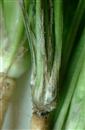
Cilantro sclerotinia rot mainly damages the stem base, followed by the leaves. At first, discolored water-soaked lesions appear, which later turn light brown and expand rapidly, girdling the stem. When humidity is high, white cottony mycelium grows on the diseased part, which becomes soft-rotten. In the later stage, the mycelium beneath the white mold layer forms black sclerotia. In severe cases, the diseased seedlings wither and die.
Key identification points: when moist, the surface of the diseased part bears a white cottony mold layer; in the later stage, sclerotia form on the stem surface, or black sclerotia can be seen when the stem is split open.
Causes of cilantro sclerotinia rot:
(1) Relationship between disease occurrence and temperature and humidity. The temperature range for pathogen development is 0-30°C, the optimum temperature is around 20°C, and a relative humidity above 85% favors pathogen development. Therefore, in the low-temperature, high-humidity winter and spring seasons, cilantro sclerotinia rot occurs severely in protected cultivation.
(2) Relationship between disease occurrence and soil moisture. Sclerotia survive for a short time in water; after 1 month the sclerotia die. Therefore, in relatively moist soil, sclerotia can survive for about 1 year, while in relatively dry soil they can survive for more than 3 years. It can be seen that high soil moisture is unfavorable for sclerotia survival, and disease occurrence is reduced.
(3) Relationship between disease occurrence and other vegetables. Since sclerotinia rot can damage almost all vegetables, hosts include cabbage, lettuce, celery, cucumber, tomato, eggplant, kidney bean, fennel, Chinese cabbage, etc. After these vegetables develop sclerotinia rot, sclerotia are present in the soil, and planting cilantro can then lead to infection and disease.
(4) Relationship between disease occurrence and seeds. If sclerotia are mixed in with the seeds, the sclerotia enter the vegetable field with sowing and infect cilantro, causing disease.
Click to get more cilantro growing techniques
Click to get more vegetable growing techniques