Skullcap (Scutellaria baicalensis) Benefits, Uses and Growing Methods
What is the medicinal herb skullcap used for? How is it grown? Please explain. Skullcap is a commonly used traditional Chinese medicinal herb with effects such as clearing heat, detoxifying and stopping bleeding. It is used to treat upper respiratory tract infections, colds, lung-heat cough, vomiting blood, enteritis, dysentery and other conditions, and is one of the currently popular varieties on the Chinese medicinal herb market. For growing methods, you can refer to the following techniques...
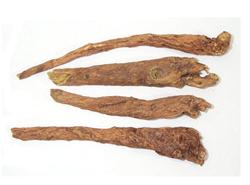
What is the medicinal herb skullcap used for? How is it grown? Please explain.
Skullcap is a commonly used traditional Chinese medicinal herb with effects such as clearing heat, detoxifying and stopping bleeding. It is used to treat upper respiratory tract infections, colds, lung-heat cough, vomiting blood, enteritis, dysentery and other conditions, and is one of the currently popular varieties on the Chinese medicinal herb market. For growing methods, you can refer to the following techniques:
1. Site selection and land preparation.
Select land with a high, dry position, plenty of sunlight, loose soil and good drainage for planting; low-lying land is not suitable. After choosing the site, plough deeply to 30 cm, and at the same time apply 3000 kg of farmyard manure; apply it before deep ploughing, then form ridges and firm them well.
2. Sowing.
Both spring and autumn sowing are possible. Spring sowing is from mid-April to early May (autumn sowing is from mid-October to early November). Sowing method: drill in wide rows, with furrows 3-5 cm deep; after sowing the seeds, cover with 4 cm of soil to prevent the sprouts from drying out, and seedlings emerge in 7-10 days (with autumn sowing, seedlings emerge the following year). Before emergence, give it a light harrowing to leave about 1 cm of covering soil. Where watering is possible and conditions allow, bed sowing can be used: on a bed surface that has been levelled and raked fine, use a row spacing of 25 cm and a plant spacing of 7-10 cm, with furrows 2 cm deep, cover with 1 cm of soil, and keep it moist. The seeding rate is 1.5-2 kg per mu.
3. Field management. Thinning and final thinning: seedlings emerge 7-10 days after sowing; when the seedlings are 3-5 cm tall, thin them, then set the final spacing at 10 cm between plants.
4. Pest and disease control.
Root rot, which damages the roots. In the early stages of the disease, individual branch roots and fibrous roots turn brown and rot, then it gradually spreads through the entire root, which rots and the whole plant dies. In the early stages of the disease, drench the affected plants with a 1000-fold dilution of 50% thiophanate-methyl.
5. Harvest.
(1) Skullcap roots are harvested at 2-3 years, with 3-year-old roots being best to harvest, giving better quality and the highest yield.
(2) Seeds can be harvested in September, yielding 5-10 kg of seed per mu, with each kilogram of seed priced at 80-100 yuan.
(3) Processing the roots: after digging up skullcap, remove the leftover stems, sun-dry until half dry, then put them in a basket and shake off the old bark so that the roots turn yellow, then spread them out and dry them in the sun until fully dry. However, they must not be exposed to too much sun, otherwise the root strips turn red and quality suffers. Also note that they must never be washed with water or rained on; after washing or rain the root strips turn green and black, and quality and grade decline. The yield is 150-200 kg of dried product per mu.
Click to get more skullcap growing techniques
Click to get more medicinal herb growing techniques