Where is Scutellaria baicalensis suitable for planting?
Where is Scutellaria baicalensis suitable for planting? Please give an introduction. Scutellaria baicalensis prefers a mild climate, tolerates cold, resists drought, and fears waterlogging. It originally grew wild on hillsides, field ridges, and sunny dry places at the edges of forests. It is not strict about soil requirements and is highly adaptable. Well-drained, fertile sandy loam is best, but it can also be planted in poor land in mountainous and hilly areas...
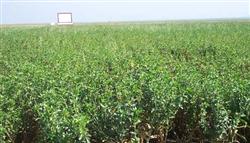
Where is Scutellaria baicalensis suitable for planting? Please give an introduction
Scutellaria baicalensis prefers a mild climate, tolerates cold, resists drought, and fears waterlogging. It originally grew wild on hillsides, field ridges, and sunny dry places at the edges of forests. It is not strict about soil requirements and is highly adaptable. Well-drained, fertile sandy loam is best, but it can also be planted in poor land in mountainous and hilly areas. Low-lying waterlogged land is not suitable for planting.
1. Land selection and preparation: For planting, sandy or semi-sandy soil is preferable, and there must be irrigation conditions. Generally, apply sufficient base fertilizer before planting, mainly barnyard manure, or apply 30 kg of nitrogen, phosphorus, and potassium fertilizer, with more phosphorus and potassium fertilizer (according to the usual amount used as base fertilizer for planting wheat). For hillside broadcast sowing after rain, use an iron rake to pull out small furrows, scatter the seeds, and then rake flat. Seedlings emerge in 6-7 days.
2. Sowing: Scutellaria baicalensis is sown in late autumn or spring. Seeds sown in late autumn do not emerge that year and emerge in early spring the following year. Spring sowing is at around 18 degrees, and seedlings emerge in 6-10 days. Sowing method: open small furrows 1.5-2 cm deep at a row spacing of 20 cm, scatter in the seeds, and rake flat. If the surface is slightly dry, tread lightly once, then rake out the loose soil. Before sowing, moisten the ground, and after sowing, keep it moist. Seed treatment: 3 days before sowing, soak the seeds until swollen. After soaking in water for 8 hours, remove them, mix with sand, and keep moist. When they can be squeezed by hand and have sprouts and split apart, they are ready to sow.
3. Field management: When seedlings are 8-10 cm tall, remove crowded seedlings and just space them out. Pay attention to weeding during the seedling stage. Water promptly when the soil is dry. If there is too much water accumulation in the field, drain it promptly. There are no pests or diseases.
4. Harvesting and processing: After growing for 1 or 2 years, dig them out in late autumn or early spring and dry them in the sun to obtain the medicinal material.
Click to get more Scutellaria baicalensis planting techniques
Click to get more medicinal herb planting techniques