Detailed Explanation of Key Management Techniques for Summer Peanut Cultivation
How to manage peanuts well in summer? Please provide an introduction to the management methods. The main summer peanut management methods are as follows (for reference): 1. Intertillage and weeding. Peanuts need 3~4 intertillages during the growth period. The first intertillage is carried out after full seedling emergence together with seedling clearing; the intertillage should be shallow to avoid burying the seedlings; the second intertillage is carried out 15...
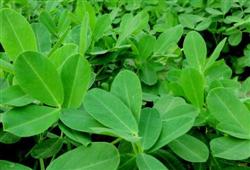
How to manage peanuts well in summer? Please provide an introduction to the management methods
The main summer peanut management methods are as follows (for reference):
1. Intertillage and weeding Peanuts need 3~4 intertillages during the growth period. The first intertillage is carried out after full seedling emergence together with seedling clearing; the intertillage should be shallow to avoid burying the seedlings; the second intertillage is carried out 15~20 days after seedling clearing, and the intertillage should be deep to facilitate root extension downward; the third and fourth intertillages should be carried out before ridge closure.
2. Drought prevention and drainage Spring-sown peanuts are generally short of water and need timely water supplementation.
3. Ridge shaping to welcome pegging Before ridge shaping, combine with hoeing to first break up the hardened soil between ridges, then move backward in the furrows, hoe deeply and pull vigorously to break the soil and shape the ridges.
4. Foliar topdressing Spraying sodium sulfite on the leaves can inhibit aboveground growth and promote the number of pods. At the early flowering stage, use 10~12 grams of sodium sulfite per mu, mix with 40~50 kg of water, stir evenly, and spray.
5. Promoting vigorous growth and preventing lodging 25~30 days after peanuts begin to flower, for peanut fields showing excessive vegetative growth, spraying a paclobutrazol solution at a concentration of 50~100 ppm (parts per million) is sufficient.
6. Pest and disease control The main diseases of peanuts include bacterial wilt, stem rot, leaf spot, and rust. They can be controlled with fungicides such as carbendazim, thiophanate-methyl, and triadimefon. The main pests include peanut aphids and tobacco cutworms, which can be controlled with insecticides such as imidacloprid and trichlorfon.
Click to get more peanut cultivation techniques
Click to get more food crop cultivation techniques