Why Do Fall Tomatoes Rot? A Detailed Guide to Growing Techniques
Why do fall tomatoes rot? Please explain the causes and control methods. Rotting fruit in fall tomatoes is mainly caused by soft rot, brown rot, and anthracnose. The detailed control methods are as follows: 1. Tomato soft rot: Rotting fruit caused by this. Tomato soft rot is a bacterial disease that mainly infects stems and fruits...
 Why Do Fall Tomatoes Rot? Please explain the causes and control methods
Rotting fruit in fall tomatoes is mainly caused by soft rot, brown rot, and anthracnose. The detailed control methods are as follows:
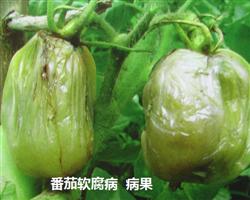
1. Tomato soft rot:Rotting fruit caused by this. Tomato soft rot is a bacterial disease that mainly infects stems and fruits. When the fruit is affected, the skin remains intact and shiny, the flesh rots into a soft, watery mass, and after rupturing it gives off a foul odor; the fruit drops easily and dries into a white mummified fruit. Control method: before the disease occurs or in the early stages, use 72% agricultural streptomycin sulfate soluble powder at 4000 times dilution or 70% dexon at 1000 times dilution, etc., spraying once every 8-10 days; the number of sprays depends on the severity of the disease.
2. Tomato brown rot:Rotting fruit caused by this. This disease is fungal and mainly harms nearly ripe fruit, mostly producing light brown lesions from the shoulder of the fruit to near the top, which later become concentric ring patterns and turn dark brown; the surface is smooth and does not soften, and in high humidity a grayish-white mold layer grows on the diseased area. Control method: at the first sign of disease, use 25% ridomil at 800-1000 times dilution or 75% chlorothalonil at 600-800 times dilution, etc., spraying once every 7-8 days for 2-3 consecutive sprays.
3.Tomatoanthracnose:Rotting fruit caused by this. This disease is caused by fungi imperfecti; the pathogen infects the fruit before it colors and remains latent until after coloring, when symptoms appear. Initially small transparent spots appear, gradually expanding and turning black, slightly sunken, with concentric rings on the lesions, on which small black dots form; under moist conditions they exude a red sticky substance, and finally the fruit rots and drops off. Control method: at the green fruit stage, use 80% anthracnose thiram wettable powder at 800 times dilution or 50% carbendazim wettable powder at 500 times dilution, etc., spraying once every 8-10 days for 2 consecutive sprays, which can inhibit the development of the disease.
Click to get more tomato growing techniques
Click to get more vegetable growing techniques