What are the common diseases in autumn tomato cultivation?
What diseases affect autumn tomatoes? How do you prevent and control autumn tomato diseases? Please provide guidance. The diseases of autumn tomatoes include: viral disease, late blight, leaf mold, early blight, etc.; for detailed control methods, refer to the following: 1. Tomato viral disease: it is a prominent disease of autumn greenhouse tomatoes. The virus sources include tomato yellow leaf curl...
 What diseases affect autumn tomatoes? How do you prevent and control autumn tomato diseases? Please provide guidance.
The diseases of autumn tomatoes include: viral disease, late blight, leaf mold, early blight, etc.; for detailed control methods, refer to the following:
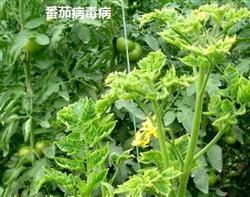
1. Tomato viral disease:It is a prominent disease of autumn greenhouse tomatoes. The virus sources include tomato yellow leaf curl virus, tobacco mosaic virus, and cucumber mosaic virus. In the field, mixed infection by several virus sources can cause multiple viral diseases to occur together.
Shade nets and insect-proof nets should be used to lower the greenhouse temperature and block virus-transmitting pests such as whiteflies, aphids, and thrips; cultivate the soil in time to promote root development; water reasonably according to the plant and weather conditions to prevent excessive vegetative growth;
Pay attention to balanced fertilization to prevent premature senescence and enhance disease resistance; do not smoke during field operations; when pruning and removing side shoots, handle healthy plants first and diseased plants afterward, and wash hands that have touched diseased plants with soapy water; use colored sticky traps and pesticides in a timely manner to control virus-transmitting pests.
2. Tomato late blight:It is a devastating disease of tomatoes, characterized by sudden onset and rapid spread and epidemic development. Once it occurs, if not controlled promptly and properly, it can spread to the entire greenhouse in a short time and cause the crop to be pulled up.
Attention should be paid to ventilation, temperature regulation, and humidity control to avoid leaf condensation or the formation of a water film; avoid watering followed by cloudy and rainy days, and appropriately reduce watering after the disease occurs; when diseased plants are found, use 72% cymoxanil·mancozeb wettable powder, 68% metalaxyl-M·mancozeb water-dispersible granules, 52.5% famoxadone·cymoxanil water-dispersible granules, 25% azoxystrobin suspension concentrate, Pythium oligandrum wettable powder (do not use together with chemical pesticides; spray in the morning or evening, and do not apply under strong sunlight or before rain), and other pesticides for spraying. Use room-temperature fogging application for control as much as possible.
3. Tomato leaf mold and early blightWhen the disease is severe, it can cause leaves to dry up and reduce yield. Temperature and humidity should be regulated reasonably to avoid watering followed by cloudy and rainy days, and watering should be appropriately controlled after the disease occurs; in the early stage of the disease, use 40% flusilazole emulsifiable concentrate, 10% difenoconazole water-dispersible granules, 47% kasugamycin·copper oxychloride wettable powder, Pythium oligandrum wettable powder (precautions the same as above), and other pesticides for spraying. Before the disease occurs, a sulfur fumigator can be used for regular fumigation prevention.
Click to get more tomato cultivation techniques
Click to get more vegetable cultivation techniques