What Is the Soybean Pod Borer? A Detailed Guide to Soybean Cultivation and Control Methods
What is the soybean pod borer? How do you control it? Here is an introduction. The soybean pod borer, also known as the small red worm, belongs to the family Olethreutidae in the order Lepidoptera, and is commonly called the soybean pod-boring moth. The soybean pod borer larva has 4 instars in total; when newly hatched it is pale yellow, and after entering the pod and molting it turns milky white. The final-instar larva is 8 to 10 mm long, and when fully mature it turns red...
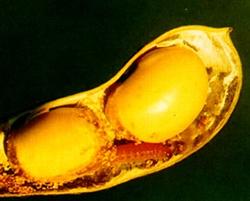 What is the soybean pod borer? How do you control it? Here is an introduction.
The soybean pod borer, also known as the small red worm, belongs to the family Olethreutidae in the order Lepidoptera, and is commonly called the soybean pod-boring moth. The soybean pod borer larva has 4 instars in total; when newly hatched it is pale yellow, and after entering the pod and molting it turns milky white. The final-instar larva is 8 to 10 mm long, and when fully mature it turns red and is slightly barrel-shaped. The adult is reddish brown, 5 to 6 mm long; male moths are lighter in color and female moths are darker. The soybean pod borer mainly damages soybean seeds as a larva. The larva bores into the pod and feeds on the beans; in mild cases it eats them into a "rabbit mouth" shape, and in severe cases it can eat away more than half of the bean, forming insect-bored split beans, and in serious cases the beans are eaten entirely. In ordinary years the insect-feeding rate is about 10%, and in severe years it can reach 34% to 40%, or even more than 80%, causing serious yield loss and a decline in soybean quality.
Soybean pod borer control methods:
1. Select insect-resistant varieties.
2. Chemical control. During the peak emergence period of adults, when the rows have closed well, use 80% dichlorvos emulsifiable concentrate to make poisoned sticks, inserting one row every 4 rows for fumigation control; pyrethroid pesticides can also be used for spray control (if using 2.5% deltamethrin emulsifiable concentrate, use 30 ml per mu, diluted with 30 to 40 kg of water for spraying). The key period for controlling the soybean pod borer is before the larvae bore into the pods.
Click to get more soybean planting techniques
Click to get more grain and oil crop planting techniques