Control Techniques for the Large Phorid Fly in Lingzhi Mushroom Cultivation
How do you control the large phorid fly when cultivating lingzhi mushroom? Please give an introduction. The lingzhi large phorid fly is also known as the common phorid fly and the Walsingham phorid fly. It belongs to the order Diptera, family Phoridae. 1. Morphology and habits: the adults are active, black to dark brown in body color, 2-3 mm in body length, with short antennae bearing an arista. The mesonotum is rather strongly raised. The larvae are maggot-shaped, pale yellow...
How do you control the large phorid fly when cultivating lingzhi mushroom? Please give an introduction.
The lingzhi large phorid fly is also known as the common phorid fly and the Walsingham phorid fly. It belongs to the order Diptera, family Phoridae.
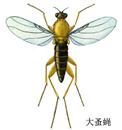
1. Morphology and habits: the adults are active, black to dark brown in body color, 2-3 mm in body length, with short antennae bearing an arista. The mesonotum is rather strongly raised. The larvae are maggot-shaped, pale yellow to white, with a pointed front end of the head, 11 body segments, a slanted rounded rear end, 2 papillae, and a posterior spiracle type. The pupae are brown. The eggs are white, oval, with an egg stage of about 7 days.
The adults have a strong phototaxis, are frequently active above 17°C, and lay eggs on the culture substrate near where the mycelium grows; at 24°C a generation is completed in only 15 days, and they occur in large numbers in spring and summer.
2. Damage situation: the larvae damage the mycelium; generally the phorid fly larvae attack right below the casing soil and concentrate to feed at the mycelium where small primordia have grown, causing the fruiting bodies to die. When humidity is high and ventilation is poor, the outbreak is severe.
3. Control methods
(1) Install screen mesh on doors and windows to prevent adults from flying in to lay eggs, and at the same time do a good job of cleaning and sanitation at the site.
(2) The occurrence period of the phorid fly is irregular, and it burrows into the soil and substrate to cause damage, so control should focus mainly on killing the adults. Take care that the casing soil humidity is not too high, in order to reduce massive outbreaks of the phorid fly.
(3) When the outbreak is severe, spray 1500-fold diazinon before removing the bags or after harvesting the mushrooms; for damage occurring during the fruiting period, spray with a 3000-fold deltamethrin solution.
Click to get more lingzhi mushroom cultivation techniques
Click to get more medicinal herb cultivation techniques