What kind of environment is suitable for growing Eucommia ulmoides?
What kind of environment is suitable for growing Eucommia ulmoides? Please introduce Eucommia ulmoides, a plant of the family Eucommiaceae, also known as simianpi and silianpi, with functions such as tonifying the liver and kidneys, strengthening bones and muscles, calming the fetus, and lowering blood pressure. It originated in China and has a cultivation history of nearly a thousand years. The growth rate of Eucommia ulmoides is relatively slow in the early stage, with the fast-growing period appearing at 10 to 20 years, and at 20...
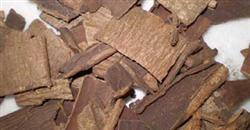
What kind of environment is suitable for growing Eucommia ulmoides? Please introduce
Eucommia ulmoides is a plant of the family Eucommiaceae, also known as simianpi and silianpi, with functions such as tonifying the liver and kidneys, strengthening bones and muscles, calming the fetus, and lowering blood pressure. It originated in China and has a cultivation history of nearly a thousand years. The growth rate of Eucommia ulmoides is relatively slow in the early stage, with the fast-growing period appearing at 10 to 20 years; from 20 to 35 years the tree's growth rate gradually slows, and afterward it almost stagnates. The growth process of the bark is almost consistent with tree height, and bark yield varies with tree age while also being affected by environmental conditions. Eucommia ulmoides is light-loving and not strict about soil and temperature requirements; it can safely overwinter at a temperature of -20°C. However, it grows and develops faster in moist, relatively warm areas. The seeds have a certain degree of dormancy; after 50 to 70 d of cold stratification at 8 to 10°C, the germination rate can reach about 90%. The seed lifespan is relatively short, generally not exceeding 1 year, and after drying it more easily loses germination ability, so after the seeds are harvested it is advisable to sow them immediately.
Click to get more Eucommia ulmoides cultivation techniques
Click to get more medicinal herb cultivation techniques