What are the common diseases of peppers? With key cultivation techniques
What diseases affect peppers? Please introduce them and guide how to prevent and control them. The common pests and diseases in pepper cultivation generally include soft rot, Phytophthora blight, anthracnose, bacterial wilt, and viral disease. For detailed descriptions and control methods, refer to the following: Pepper soft rot: When soft rot occurs, the fruit lesions initially appear water-soaked, then rot...
 What diseases affect peppers? Please introduce them and guide how to prevent and control them
The common pests and diseases in pepper cultivation generally include soft rot, Phytophthora blight, anthracnose, bacterial wilt, and viral disease. For detailed descriptions and control methods, refer to the following:
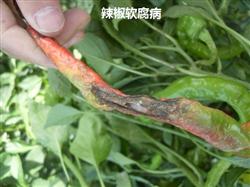
Pepper soft rot:When soft rot occurs, the fruit lesions initially appear water-soaked, then the fruit rots and drops off, giving off a foul odor; after rotting, only a layer of skin remains on the fruit, which turns white when exposed to the sun. This disease occurs mostly in hot, rainy seasons.
Control methods for pepper soft rot:
1. Avoid continuous cropping, including with solanaceous crops such as eggplant and tomato.
2. Spray the whole plant and drench the roots with 50 PPM agricultural streptomycin or Xinzhi streptomycin.
Pepper Phytophthora blight:It can occur at the seedling stage and the mature plant stage, and is extremely likely to occur during early-spring seedling raising. When Phytophthora blight occurs, the diseased part of the seedling stem appears water-soaked, the leaves wilt, then soft rot develops, causing the plant to break off and die. In mature plants, it appears as brown lesions on parts of the stems and leaves, causing leaf drop and even death; on the fruit, it appears as water-soaked lesions, followed by soft rot.
Control methods for pepper Phytophthora blight:
1. Do not water too much at the seedling stage, and do not let the field be too wet; pay attention to drainage especially on rainy days.
2. Before transplanting, spray the whole plot with 75% chlorothalonil 1000x solution, then promptly lay plastic mulch to seal it and sterilize the soil.
3. After transplanting, spray mancozeb wettable powder 600x solution for protection, once every 15 days. At the early stage of disease, spray 40% fosetyl-aluminum wettable powder 200x solution, or 75% chlorothalonil wettable powder 600x solution, or 64% oxadixyl M8 wettable powder 400-500x solution, applying 40 kg of spray liquid per mu, once every 7-10 days, for 2-3 consecutive times.
Pepper anthracnose:When leaves are infected, water-soaked spots that fade from green appear first, gradually turning brown with a pale gray center, and small black dots form in concentric rings on the lesions. The fruit stalk is sometimes affected, developing brown, sunken, irregular spots that crack when dry. When fruit is affected, water-soaked yellowish-brown round spots or irregular spots appear first, with raised concentric rings on the surface of the spots, along with many small black dots; when humid, a red sticky substance oozes from the surface of the lesions. The lesions on the fruit tend to shrink and form a film-like layer, and some split open.
Control methods for pepper anthracnose:
1. Choose disease-resistant varieties and save seed from disease-free plants.
2. Seed treatment: Pre-soak in cold water for 1-2 hours, then soak in 55 degree warm water for 10 minutes, then place in cold water to cool before sprouting and sowing. Alternatively, first soak the seeds in cold water for 10-12 hours, then soak in 1% copper sulfate for 5 minutes, or soak in 50% carbendazim wettable powder 500x solution for 1 hour; after removing, neutralize the acidity with plant ash or a small amount of lime, then sow.
3. Strengthen field management. Plant at a reasonable density, apply fertilizer according to a balanced formula, ventilate greenhouses in a timely manner, avoid high temperature and high humidity, pay attention to drainage, promptly remove diseased leaves, diseased fruit, and plant residues, and implement a 2-3 year rotation with non-related vegetables.
4. At the early stage of disease, spray 70% thiophanate-methyl wettable powder 600-800x solution, or 80% mancozeb wettable powder 500x solution, or 75% chlorothalonil wettable powder 800x solution as a mixed spray, or 50% anthracnose-formaldehyde wettable powder 300-400x solution, or Bordeaux mixture at 1:1:200, once every 7-10 days, for a total of 2-3 sprays.
Pepper bacterial wilt:When a plant is affected, individual branches may wilt first, then the condition spreads to the whole plant, especially in weather that turns clear suddenly after rain.
Control methods for pepper bacterial wilt: 1. Use protective fungicides such as copper ammonia complex; 2. Pull out diseased plants in the field and scatter lime in the planting holes.
Pepper viral disease:There are mainly two types. The mosaic-necrosis type is caused by tobacco mosaic virus. Diseased leaves show irregular chlorosis and a mosaic pattern of dark green alternating with light green; some leaves develop brown necrotic spots, and dark brown necrotic streaks appear from the main leaf veins along the stem, causing leaf drop, flower drop, fruit drop, and death of the whole plant. Leaves become oddly shaped and clustered. Infection by cucumber mosaic virus causes plant deformation, shown as diseased leaves thickening, becoming smaller or fern-like, with chlorotic veins, shrinkage, and an uneven, linear appearance; stem internodes shorten, plants become stunted, and branches and leaves form clustered shapes; diseased fruit shows mottling or necrotic spots, is oddly shaped, and drops easily.
In cultivation, if silver-black plastic mulch is used together with chemical aphid control, the disease incidence is low; in general extensive cultivation, aphid control must be done well for prevention.
Control methods for pepper viral disease:1. Pay attention to controlling aphids. 2. Spray plant virus inhibitor 800-1000x solution once before transplanting, then once every 7-10 days after transplanting, for 2-3 consecutive times. 3. When viral disease symptoms appear, promptly spray virus A 400-600x solution, once every 7-10 days. 4. Spray "Yelüjing" fertilizer 800x solution once every 7-10 days to enhance plant resistance; it can be used together with plant virus inhibitor and virus A.
Click to get more pepper cultivation techniques
Click to get more vegetable cultivation techniques