What are the temperature requirements for growing sorghum?
What are the temperature requirements for sorghum? Please give an introduction. Sorghum is a warmth-loving crop. It requires relatively high temperatures throughout the growing period. However, at different growth stages, its temperature requirements also differ. The minimum temperature for sorghum germination is 6°C. Sowing at this temperature can still produce seedlings, but germination is slow, and...
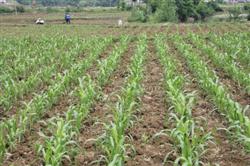 What are the temperature requirements for sorghum? Please give an introduction
Sorghum is a warmth-loving crop. It requires relatively high temperatures throughout the growing period. However, at different growth stages, its temperature requirements also differ.
The minimum temperature for sorghum germination is 6°C. Sowing at this temperature can still produce seedlings, but germination is slow, and the seedlings are often easily infected by pathogens, causing the seedlings to carry disease or the seeds to rot, resulting in a low emergence rate. The optimum temperature for sorghum germination is 25-30°C. When the temperature reaches as high as 44-50°C, germination slows or stops.
From emergence to jointing, the optimum temperature for sorghum growth is 20-25°C. If the seedlings encounter low temperatures below 10°C, sorghum seedlings stop growing. Sorghum seedlings are not tolerant of low temperatures or frost. Sorghum sprouts have the weakest freezing resistance; when the temperature drops to 3°C, freezing injury occurs. But if the temperature is too high, growth is too rapid, the seedlings become slender and weak, which is equally unfavorable to plant growth.
The jointing to heading stage is the period of most vigorous growth for sorghum. The optimum temperature for this period is 25-30°C. Suitable temperatures can promote panicle differentiation and the growth of stems and leaves. Moderate low temperatures during this period are favorable for panicle differentiation. Too high a temperature will accelerate plant growth and development, resulting in small heads with few grains and slender stems and leaves, which is unfavorable for later growth. When the temperature rises above 38°C, plant growth and development are affected.
The suitable temperature for the flowering and pollination stage is 26-30°C, and this period has strict temperature requirements. Low temperatures will delay the flowering period and affect flowering and pollination. When the temperature is below 15°C, the plants cannot flower and pollinate normally, which easily causes poor pollination and reduces the seed-setting rate.
From grain filling to maturity, a large day-night temperature difference is required to facilitate dry matter accumulation and grain filling and maturation. The temperature during this period should preferably be 20-30°C, and the nighttime temperature should be above 15°C; otherwise, grain filling will be affected. Early frost damage often results in poor maturity, shriveled grains, and reduced 1000-grain weight. In the sorghum-growing areas of northern China, low autumn temperatures are the main factor affecting grain filling and maturity. Therefore, when introducing varieties, it is essential to understand the growth characteristics of the introduced varieties, and late-maturing varieties must never be introduced blindly.
Click to get moreSorghum growing techniques
Click to get moreGrain growing techniques