Autumn Pepper Viral Disease Control Methods and Planting Techniques
How to prevent viral disease in autumn peppers? Please provide guidance. After pepper viral disease occurs, diseased leaves show irregular chlorosis, with mosaic symptoms of alternating dark green and light green; some leaves develop brown necrotic spots, and dark brown necrotic streaks appear along the main vein of the leaf and along the stem, causing leaf drop, flower drop, fruit drop, and death of the entire plant, with leaves becoming strangely...
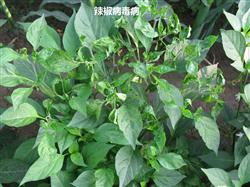 How to prevent viral disease in autumn peppers? Please provide guidance
After pepper viral disease occurs, diseased leaves show irregular chlorosis, with mosaic symptoms of alternating dark green and light green; some leaves develop brown necrotic spots, and dark brown necrotic streaks appear along the main vein of the leaf and along the stem, causing leaf drop, flower drop, fruit drop, and death of the entire plant. Leaves grow in strange clustered shapes. When infected by cucumber mosaic virus, the plant becomes deformed, showing thickened and smaller diseased leaves or fern-like leaves, chlorotic veins, wrinkling, uneven and linear surfaces, shortened stem internodes, dwarfed plants, clustered branches and leaves, and diseased fruits showing mottling or necrotic spots, deformed and easily dropping off, which has a huge impact on pepper growth.
Pepper viral disease control methods:
Pepper seed treatment before sowing:
In addition to selecting resistant and tolerant varieties, before promoting germination and sowing, the seeds should first be soaked in clean water for 3-4 hours, then placed in a 10% trisodium phosphate solution for 20-30 minutes, removed and rinsed clean with clean water, and then germinated.
Strengthen management:
Cultivate disease-free strong seedlings, use single-plant single-pot nutrient soil seedling cultivation, and transplant with vines and pots. Apply more fully decomposed organic fertilizer to promote early growth and enhance the plant's disease resistance and tolerance. At the same time, manage greenhouse temperature well. During the seedling stage and early transplanting stage, because the temperature is high and light is strong at this time, cover well with shade netting or use weeds and other materials for shading to avoid direct sunlight. The surroundings of the greenhouse should be ventilated. Especially when the temperature is high at noon, open the greenhouse for ventilation to regulate the temperature inside. During transplanting, remove diseased plants promptly when found.
Chemical control of pepper viral disease:
Control aphids promptly to cut off the source of the virus. When aphids are found migrating and flying in the field, control them immediately. Use 10% Dachengong or 10% Yashijing powder at 10-15 grams per mu, mix with 30-40 kg of water, and spray evenly for control. If the weather is dry and the aphid population is large, spray continuously for control.
In the early stage of disease onset, spray 1.5% Zhibingling aqueous solution at 100 milliliters per mu or 20% Virus A wettable powder at 70-100 grams per mu, once every 5-7 days, for 2-3 consecutive times, all of which can achieve good results. If the disease is severe, with leaf wrinkling and shortened internodes, add 1 mg/kg cytokinin to the above agents, using 50 grams per mu, to promote faster cell division and reduce damage.
Click to get more pepper planting techniques
Click to get more vegetable planting techniques