How to grow garland chrysanthemum for high yields? A detailed guide to practical techniques
How can you achieve high yields when growing garland chrysanthemum? What should you pay attention to? Experienced readers are also asked to share their advice. To get high yields from garland chrysanthemum, you need to understand its growth habits and strengthen management. Zhongdiwang has compiled four points to note when growing garland chrysanthemum, listed below for readers' reference. Note...
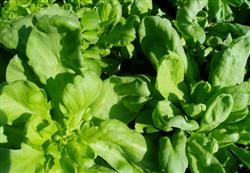 How can you achieve high yields when growing garland chrysanthemum? What should you pay attention to? Experienced readers are also asked to share their advice
To get high yields from garland chrysanthemum, you need to understand its growth habits and strengthen management. Zhongdiwang has compiled four points to note when growing garland chrysanthemum, listed below for readers' reference.
Note 1. Temperature management:
Garland chrysanthemum prefers cool, moist climate conditions. It is a semi-cold-tolerant vegetable and does not tolerate high temperatures. The optimum growing temperature is 17-20°C; above 29°C growth is poor, with few and thin, small leaves. Therefore, high summer temperatures are often an important cause of failure in growing garland chrysanthemum. If you want garland chrysanthemum to grow well and yield high, you must bring the temperature down into its suitable range.
Common cooling methods include covering with shade nets, etc. However, it is not advisable to water for cooling at midday when the temperature is high. Watering to cool down when the soil temperature is too high often injures the garland chrysanthemum roots and can easily cause seedling death.
Note 2. Planting spacing for garland chrysanthemum:
When garland chrysanthemum is planted too densely, with too small a temperature difference and too frequent fertilizer and water, it tends to grow leggy with thin, weak stems, and in a high-humidity environment it often lodges. After lodging, garland chrysanthemum not only suffers reduced yield but also has poor air circulation in the lower part of the plant, causing leaf rot and lowering its market quality.
Therefore, measures must be taken early to prevent leggy growth and lodging in garland chrysanthemum. You can thin the seedlings when watering the garland chrysanthemum the second time, keeping the plant spacing at about 2-3 cm, and you can also spray foliar fertilizer.
Note 3. Drain promptly to prevent waterlogging:
There is more rain in summer, and rainwater often causes garland chrysanthemum root rot and plant death, seriously affecting yield. Therefore, when it rains, strictly prevent rainwater from entering the garland chrysanthemum field. Once rainwater enters, drain it promptly and water once with well water to prevent plant death.
Note 4. Timely prevention and control of pests and diseases:
Leaves are an important indicator of the market quality of garland chrysanthemum. To protect the leaves, you must first do a good job of disease prevention in management. Phytophthora blight and downy mildew are the main diseases causing leaf rot and yellowing in garland chrysanthemum, and should be the focus of prevention and control in management. Also pay attention to controlling diamondback moth, beet armyworm, and tobacco cutworm, etc.
Click to get more garland chrysanthemum growing techniques
Click to get more vegetable growing techniques