What causes many empty pods in soybean cultivation?
Why do soybeans have many empty pods? Please explain the reasons. The main factors for many empty pods in soybeans are: 1. Variety differences: early and mid-maturing varieties generally flower and set pods well, while among late-maturing varieties, some soybeans sown relatively late show flowering without pods or empty pods and shriveled seeds. This is because during the flowering and pod-setting period of soybeans, they encounter sustained high temperature and drought from late July to early-to-mid August, with temperatures reaching as high as 38-40°C.
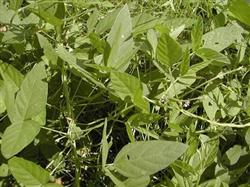 Why do soybeans have many empty pods? Please explain the reasons
The main factors for many empty pods in soybeans are:
1. Variety differences:Early and mid-maturing varieties generally flower and set pods well, while among late-maturing varieties, some soybeans sown relatively late show flowering without pods or empty pods and shriveled seeds. This is because during the flowering and pod-setting period of soybeans, they encounter sustained high temperature and drought from late July to early-to-mid August, with temperatures reaching as high as 38-40°C.
The suitable flowering temperature for soybeans is 22-30°C, and the suitable relative humidity is 70-90%. Beyond this range, soybeans will not flower or will flower less, or will flower without setting fruit. At the same time, soybeans are short-day crops; if their short-day requirement is not met, flower bud differentiation will also stop.
2. Continuous cropping of soybeans:In some fields where soybeans are planted again this year, due to soil nutrient deficiency, especially boron deficiency, empty pods and shriveled seeds often occur.
3. Unscientific fertilization:In surveys of soybean fields with excessive nitrogen fertilizer and no potassium or phosphorus fertilizer, empty pods and shriveled seeds are more common. Due to fertilizer deficiency, combined with drought, flower primordia can transform into leaf buds.
4. Soil compaction:Poor drainage also causes empty pods and shriveled seeds. In some farmers' fields, after sowing soybeans, no weeding was done even once, and the weeds grew taller than the soybeans. In some fields or sections, dodder damage was severe; one dodder plant entwined about 100 soybean plants, and the affected soybeans basically had no harvest at all. In some fields with poor drainage, the soil is compacted, and the pod-setting amount is also greatly reduced.
Methods to prevent and control empty pods in soybeans:
1. Choose soybean varieties suitable for local growth and development. When purchasing seeds, be sure to identify the soybean brand, check whether it has the "three certificates," and ask for and keep the seed purchase invoice;
2. Pay attention to crop rotation and changing crops to avoid continuous cropping;
3. Attach importance to formula fertilization and apply sufficient base fertilizer, especially preventing excessive nitrogen fertilizer, and be sure to apply phosphorus and potassium fertilizers together;
4. Carefully prepare the land and sow, apply chemical herbicides well, and prevent and control pests and diseases well;
5. Improve drainage and irrigation facilities so that soybean fields can both drain and irrigate, ensuring "dry flowers and wet pods" during the soybean flowering and pod-setting period.
Click to get more soybean cultivation techniques
Click to get more grain and oil crop cultivation techniques