Soybean Cultivation: What Methods Can Increase Soybean Yields?
What methods can increase soybean yields? Please introduce the methods. To achieve high yields when growing soybeans, you can refer to the following methods for management: 1. Apply flower and pod fertilizer. The flowering and pod-setting stage is when soybeans grow most vigorously and is the period of greatest fertilizer demand in the soybean's entire life cycle. Applying flower and pod fertilizer can reduce flower and pod drop, promote full grains...
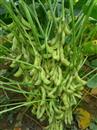 What methods can increase soybean yields? Please introduce the methods
To achieve high yields when growing soybeans, you can refer to the following methods for management:
1. Apply flower and pod fertilizer
The flowering and pod-setting stage is when soybeans grow most vigorously and is the period of greatest fertilizer demand in the soybean's entire life cycle. Applying flower and pod fertilizer can reduce flower and pod drop, promote full grains, and improve quality. Flower and pod fertilizer should be applied at the early flowering stage, preferably with a combination of nitrogen and phosphorus fertilizer: apply 3-5 kg of urea and 7.5-10 kg of phosphate fertilizer per mu, placed in holes opened 5 cm to the side of the soybean roots, then cover with soil to bury the fertilizer.
2. Spray foliar fertilizer
In addition to the three major elements nitrogen, phosphorus, and potassium, boron, zinc, and molybdenum are indispensable trace elements for soybeans. Therefore, spraying a multi-element compound nutrient solution from the flowering stage to the seed-filling stage of soybeans has the effect of increasing pods, increasing grains, and raising yields. The method is: add 500 g of urea, 100 g of monopotassium phosphate, 50 g of zinc sulfate, 100 g of borax (first dissolve it in hot water), and 25 g of ammonium molybdate to every 50 kg of water, and stir thoroughly to prepare the solution. Spray evenly on both the front and back of soybean leaves, spraying 2-3 times in a row, with 75 kg of fertilizer solution sprayed per mu each time.
3. Topping and pinching out the growing tip
Timely topping and pinching out the growing tip can control excessive vegetative growth and has a notable effect on preserving flowers and increasing pods. For soybean varieties with an indeterminate pod-setting habit, reasonably removing the growing tip can also control apical dominance and reduce flower and pod drop. The method is to remove the top growing point on a sunny day from the full flowering stage to the end of flowering.
4. Spray paclobutrazol
Spraying paclobutrazol can control plant height and shorten internode length; the yield increase is greater for indeterminate pod-setting varieties than for determinate pod-setting varieties. Application method: from 5 days before flowering to 7 days after the beginning of flowering, use 50-100 g of 15% paclobutrazol wettable powder per mu, dilute with 50-75 kg of water, and spray evenly on both the front and back of the leaves, without spraying twice in the same spot or missing any spots.
5. Spray triiodobenzoic acid
This is a multi-functional plant hormone that can inhibit apical dominance and promote axillary bud development. The plant becomes dwarfed, with more branches and thicker stems, which helps ventilation and light penetration and prevents lodging. Spray once each at the early flowering stage and the full flowering stage, which can advance maturity by 5-7 days. Spray concentration: 100 x 10 to the power of negative 6 at the early flowering stage. Before spraying, first dissolve the pure product in alcohol at a 1:100 ratio, then dilute with water and spray evenly, with 50 kg of spray solution per mu each time. It should not be used on early-maturing varieties or soybeans with poor growth.
6. Spray chlormequat
It can make plants dwarfed and sturdy, enhance lodging resistance, reduce flower and pod drop, improve quality, and can increase yield by 10%. Application method: when the fourth compound leaf has grown, spray once with a 0.1% chlormequat solution, then spray once more with a 0.05% chlormequat solution at the early flowering stage. Spray evenly, with 50 kg of spray solution per mu each time.
7. Spray sodium bisulfite
Sodium sulfite is a photorespiration inhibitor that can increase dry matter accumulation. Spray once each at the early stage and full flowering stage of soybeans, using 10 g of sodium bisulfite per mu each time, diluted with 75 kg of water and sprayed evenly; spraying in the afternoon is preferable.
8. Spray photosynthetic micro-fertilizer
Spray once each at the early flowering stage and full flowering stage of soybeans, using 100 g of photosynthetic micro-fertilizer per mu each time, diluted with 50 kg of water and sprayed evenly.
Click to get more soybean cultivation techniques
Click to get more grain and oil crop cultivation techniques