Sesame Cultivation: How to Prevent and Control Bacterial Wilt in White Sesame?
How to prevent and control bacterial wilt in white sesame? Why does bacterial wilt occur in white sesame? Please provide an introduction. Bacterial wilt in white sesame is very common during cultivation, mainly caused by excessive soil moisture in the field. The pathogen overwinters in the soil with diseased plant residues and spreads through flowing water or farming operations. Continuous cropping fields suffer more severe disease...
 How to prevent and control bacterial wilt in white sesame? Why does bacterial wilt occur in white sesame? Please provide an introduction.
Bacterial wilt in white sesame is very common during cultivation, mainly caused by excessive soil moisture in the field. The pathogen overwinters in the soil with diseased plant residues and spreads through flowing water or farming operations. Continuous cropping fields suffer more severe disease. The peak incidence often occurs in the hot months of July to August. After heavy rain, when temperatures rise sharply, the disease is prone to occur and spread.
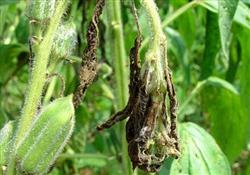
Symptoms of bacterial wilt in white sesame:On the outside of the roots and stems of affected plants, dark brown streaks appear; internally, the vascular bundles turn brown, with bacterial ooze exuding, which dries into shiny black particles. In the early stage of the disease, affected plants appear water-deficient, wilting during the day and recovering at night. After a few days, the leaves wilt rapidly from the top downward, the old leaves droop, and eventually the entire plant dies. After the leaves are affected, the veins show dark green streaks, sometimes crisscrossing to form a net pattern; when held up to the light, the center appears oil-soaked. After the capsules are affected, they show water-soaked lesions that gradually turn into dark brown streaks of varying thickness, causing the diseased capsules to shrink, which in turn causes the seeds to become shriveled and lose their ability to germinate.
For preventing and controlling bacterial wilt in white sesame, the following methods can be used:
Agricultural control
1. Select disease-resistant improved varieties and carry out a three-year crop rotation with non-solanaceous and non-leguminous crops.
2. White sesame is not tolerant of waterlogging. During its growth and development, if heavy rain or torrential rain causes water accumulation in the field, it should be drained promptly so that no water remains in the field after the rain stops.
3. Increase the application of organic fertilizer, especially potassium fertilizer.
4. Promptly pull out, destroy, or deeply bury diseased plants.
Chemical control
1. Use 1 part lime water and 15 parts lime powder to disinfect diseased planting holes.
2. Before sowing, treat the soil with chlorothalonil for a good preventive effect; or in the early stage of the disease, spray with a 50% carbendazim wettable powder 800-1000 times dilution, or use 50 ml of 3% cresol guaiacol per mu plus 100 g of 50% carbendazim dan, diluted in 50 kg of water for spraying.
Click to get more sesame cultivation techniques
Click to get more grain crop cultivation techniques