What effective cultivation techniques are there for increasing the yield of reishi mushrooms?
The yield of cultivated reishi mushrooms has always been low. What methods can increase the yield of reishi mushrooms? I hope friends can give guidance. If the yield of cultivated reishi mushrooms is low, the following methods can be used to increase production: Method 1: Replace sawdust with wood blocks. Reishi mushrooms are hard and tough in texture and need to absorb a large amount of lignin and cellulose during growth. Using wood...
 The yield of cultivated reishi mushrooms has always been low. What methods can increase the yield of reishi mushrooms? I hope friends can give guidance.
If the yield of cultivated reishi mushrooms is low, the following methods can be used to increase production:
Method 1: Replace sawdust with wood blocks
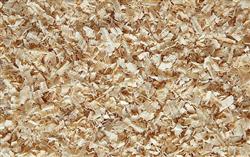
Reishi mushrooms are hard and tough in texture and need to absorb a large amount of lignin and cellulose during growth. Taking sawdust or cottonseed hulls as the culture medium as an example, because the texture is loose, the lignin in the substrate is easily decomposed by the mycelium, and the fungus logs often disperse and break apart by the first to second flush.
After replacing them with wood blocks mixed with coarse sawdust as the culture medium, the original density can be preserved, and the same container can hold 300-500 grams more wood blocks than sawdust. In addition, because there are many gaps between the wood blocks, air permeability is good, and the metabolism and biological energy of reishi mushrooms are in the best reproductive state, so the yield is high and the quality is excellent.
Method 2: Replace indoor cultivation with outdoor soil-covered cultivation
In indoor bag cultivation of reishi mushrooms, a thick layer of fungal skin easily forms on the surface of the fungus logs, making manual watering difficult, especially greatly affecting the yield of the second flush of reishi mushrooms. After switching to outdoor soil-covered cultivation, the problem of watering the fungus logs can be better solved, and the fungus logs can also absorb water and beneficial trace elements from the soil, making it easy to obtain high and stable yields. In addition, the light source is evenly distributed outdoors, and the grown reishi mushrooms are large, round and regular, with bright color, and the proportion of first-grade products is clearly better than indoors.
Method 3: Change horizontally placed fungus logs to upright placement
Horizontally placed fungus logs receive light stimulation on more surfaces, and the primordia are dense and small. Even if thinning measures are taken, the primordia at the base are small, and it is always difficult to cultivate high-quality reishi mushrooms with large caps and thick caps. When the fungus logs are placed upright, the light-receiving surface is concentrated at the top, the primordia that appear are sparse and thick, and the mushroom caps accordingly become thicker and larger, and the yield per unit planting area can also more than double.
Method 4: Change picking the mushrooms to cutting the mushrooms
Mature reishi mushrooms generally become watery or keratinized, and the stipe is connected to the culture medium. Directly picking the fruiting body by hand seriously damages the fungus log, which is unfavorable for the growth of the second flush of mushrooms, and the wounds are also easily infected by contaminating microorganisms.
Changing picking the mushrooms to cutting the mushrooms gives a better harvesting effect, the cut is smooth, and the base of the stipe is not damaged. The second flush of mushrooms can use the stipe base of the first flush as primordium to quickly grow mushroom buds, thereby reducing the interval between flushes and shortening the production cycle.
Click to get more reishi mushroom cultivation techniques
Click to get more medicinal herb cultivation techniques