How should asparagus seeds be treated before planting?
How should asparagus seeds be treated before planting? What should be noted when treating the seeds? Gardeners who have grown it, please share your experience. Whether asparagus is grown by direct sowing or by raising seedlings and transplanting, strict seed treatment must be carried out before sowing. Zhongdi Network has compiled the methods for treating asparagus seeds before sowing, listed below...
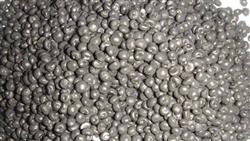 How should asparagus seeds be treated before planting? What should be noted when treating the seeds? Gardeners who have grown it, please share your experience.
Whether asparagus is grown by direct sowing or by raising seedlings and transplanting, strict seed treatment must be carried out before sowing. Zhongdi Network has compiled the methods for treating asparagus seeds before sowing, listed below for gardeners' reference.
Asparagus seed treatment methods:
First, place the dry seeds in hot water at 55-58°C to soak them and kill the pathogens inside and outside the seeds. When soaking, after the seeds are put into the hot water, the water temperature must be kept at 54-56°C for 20 minutes, with regular stirring of the seeds; when the temperature drops to 54°C, promptly add hot water above 70°C to bring it back up to 56°C. After soaking for 20 minutes, immediately pour out the hot water, add cold water at around 25°C to cool them down, then rub and wash the seeds with your hands for 10-15 seconds, and then replace with clean water to soak the seeds.
The soaking water for asparagus seeds should be more than 5 cm above the seeds, and the clean water should be changed once each morning and evening every day. Each time the water is changed, rub and wash the seeds with your hands to remove the sticky substance on the seed surface, with the rubbing force becoming lighter each time.
After soaking for 72 hours at a room temperature of 20-25°C, drain off the water, place the seeds in a clean basin or dish, cover with a wet cloth, and keep at 25-28°C to promote sprouting for 24 hours, after which they can be sown. At this point a few seeds can be seen to have split open and shown white. Some reports say to promote sprouting for 48 hours or longer, sowing after the seeds have grown radicles. Doing so makes the radicles prone to damage during actual operation.
Reasons for treating asparagus seeds:
As long as the soaking time is sufficient and the water temperature is kept at 20-25°C during soaking, after 3 days of soaking, seedlings can begin to emerge about 10 days after sowing. Some people worry that soaking seeds in hot water at 55°C will affect seed germination. Comparative test results show that seeds treated with 55°C hot water for 20 minutes can increase the germination rate and germination vigor of the seeds, and can effectively kill the pathogens carried by the seeds, making it an effective measure to prevent stem blight and other diseases spread through seeds.
Points to note when treating asparagus seeds:
Note one,The water temperature of the soaking treatment must be accurately controlled. The rough method of mixing three parts boiling water with one part cold water must not be used to replace the method of measuring with a thermometer. The water temperature is required to reach 57-58°C before the seeds are put in, and after the seeds are put in it can drop to around 55°C.
Note two,The duration of soaking at 54-56°C must not be less than 20 minutes.
Note three,After the soaking treatment is finished, immediately pour out the hot water and add cold water to cool down. If there is no thermometer to measure the water temperature or the relevant conditions are lacking so that hot-water seed soaking cannot be carried out, first soak in cold water for 48 hours, then switch to a 1:500 dilution of 50% carbendazim aqueous solution and soak for 24 hours. During soaking, the medicinal solution must be 2-3 cm above the seeds. After soaking is finished, drain off the medicinal solution and the seeds can be sown. To avoid the seeds sticking to fingers or clumping together due to moisture during spot sowing, a little dry fine soil or coal ash can be used to mix with the seeds to absorb the surface moisture and keep the seeds separated.
Click to get more asparagus growing techniques
Click to get more vegetable growing techniques