The correct method for cutting seed potatoes and sprouting them
How do you cut seed potatoes and sprout them? What should you pay attention to? Is there any fellow gardener who can help explain? Zhongdiwang has compiled the methods for cutting seed potatoes and sprouting them, and a detailed introduction is given below for fellow gardeners' reference. Seed potato cutting methods: 1. Size of seed potato pieces: generally...
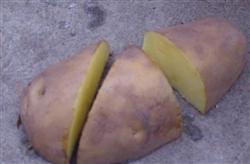 How do you cut seed potatoes and sprout them? What should you pay attention to? Is there any fellow gardener who can help explain?
Zhongdiwang has compiled the methods for cutting seed potatoes and sprouting them, and a detailed introduction is given below for fellow gardeners' reference.
Seed potato cutting methods:
1. Size of seed potato pieces:
Generally, the weight of each cut piece should be no less than 20-25g, meaning every 500g of seed potatoes can be cut into 20-25 pieces. Each cut piece should carry at least 1-2 eyes.
2. How to cut the seed potatoes:
Seed potatoes about 50g in size can be cut lengthwise from the top to the bottom into 2 pieces; seed potatoes 70-90g in size are cut into 3 pieces, by first cutting off 1 piece with 2 eyes from the base, and cutting the remaining part lengthwise into 2 pieces; seed potatoes about 100g in size can be cut lengthwise into 4 pieces, which helps increase the number of pieces with the top bud.
For large seed potatoes, you can start from the bottom of the seed potato and cut diagonally in a spiral toward the top following the arrangement of the eyes, and finally split the top into two.
Points to note when cutting seed potatoes:
1. When cutting, note that the pieces should not be too small. The smaller the piece, the less nutrients and water it carries, which affects seedling development. Moreover, pieces that are too small have poor drought resistance, and after sowing are prone to missing plants;
2. When a diseased potato is cut, it should be destroyed, and the knife should also be disinfected, otherwise the pathogen will spread. The disinfection methods are burning the knife with fire, repeatedly wiping the knife with 75% alcohol, or soaking the knife in 1% potassium permanganate for 20-30min before use.
Management after cutting seed potatoes and the sprouting methods:
Management of seed potatoes after cutting:
After the potato pieces are cut, first spread them flat under conditions of 17-18°C and 80%-85% relative humidity to dry the wounds, which takes 3-4 days, so that a cork layer forms, which can prevent the potatoes from rotting during sprouting. When drying the cut pieces, do not do it in an overly dry environment, to avoid excessive water loss from the pieces. After the pieces are "dried", they can be sprouted. The commonly used sprouting methods are as follows.
Seed potato sprouting method one:
In a greenhouse near the wall base or at the head of a walkway inside a plastic tunnel (at the end away from the tunnel door), build a square pit with 2-3 layers of brick wall, sized according to the amount of seed potatoes. If the ground is too dry, first spray a small amount of water to make it slightly moist, then spread 1 layer of potato pieces, sprinkle 1 layer of wet sand or wet sawdust (note disinfection, which can use methods such as solar disinfection, burning disinfection, chemical disinfection), and in this way you can spread 3-5 consecutive layers of potato pieces, finally covering the top with a straw mat or gunny sack to retain moisture, but do not cover with plastic film.
Seed potato sprouting method two:
You can use an existing seedbed, or dig a seedbed on the spot. The sprouting method is to first level the bottom of the bed, then for each layer of potato pieces spread 1 layer of wet sand, for a total of 5 layers of potato pieces, and finally cover the sand on top with 1 layer of straw mat. Set bamboo poles over the seedbed and cover tightly with film, press down the edges with soil, and cover with a straw mat at night for warmth.
Seed potato sprouting method three:
When the quantity of seed potatoes is small, you can sprout them directly indoors. You can put the potato pieces in a basket, or spread them on the ground at a thickness of 10-15cm, then cover the basket or potato pile tightly with a wet gunny sack or wet straw mat.
Key management points during potato sprouting:
Point one, humidity management:
During sprouting, the humidity should not be too high. The sand or sawdust covering the seed potatoes should first be mixed with water to moisten it, then sprinkled over the seed potatoes. Do not first cover with dry sand and then splash water, as this will cause a large amount of water to seep onto the seed potatoes, resulting in excessive humidity. The humidity of the sand should be such that no water comes out when squeezed by hand.
During sprouting, as long as the sand is not very dry, generally do not water. If the humidity is high during sprouting, it easily causes roots to form at the base of the young sprouts, and these roots will shrink from water loss or die during the sprout hardening stage before sowing, thus affecting the development of new roots after sowing.
Point two, temperature management:
The optimum temperature for potato sprouting is 15°C. Below 4°C they basically do not sprout; above 25°C they sprout quickly, but the young sprouts are weaker.
Point three, check the seed potatoes regularly:
During sprouting, check the sprouting situation once every 5-7 days. If rotten potatoes are found, promptly pick them out, and also take out all the other potato pieces to air them, then sprout them again.
Point four, green the young sprouts of the seed potatoes in time:
The suitable sprout length for planting potatoes is 1.5-2cm. When the sprouts reach 1.5-2cm, place the sprouted potato pieces under indoor diffused light to make the sprouts turn green. After the young sprouts turn green, their own water content decreases and they become stronger, are not easily broken off when planting, and after sowing they emerge quickly and the seedlings are strong.
Click to get more potato growing techniques
Click to get more vegetable growing techniques