When is the most suitable time to fill gaps and thin cassava seedlings?
When should gap filling and thinning be done for cassava? Please explain the method for filling gaps in cassava: after planting cassava, missing plants often occur due to poor quality of planting material, low temperature and drought, and excessive rain, which can significantly reduce yield. Therefore, after planting, plants must be checked and gaps filled in time. Gap filling usually begins 20 days after planting and is completed within 30 days, so that...
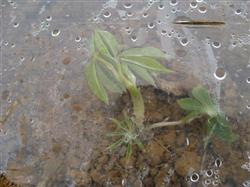 When should gap filling and thinning be done for cassava? Please explain
Cassava gap filling method: After planting cassava, missing plants often occur due to poor quality of planting material, low temperature and drought, and excessive rain, which can significantly reduce yield. Therefore, after planting, plants must be checked and gaps filled in time. Gap filling usually begins 20 days after planting and is completed within 30 days, so that the replanted seedlings are not shaded and their growth is not affected. You can use the stem cuttings originally reserved, or transplant extra seedlings that were planted in advance.
Cassava thinning method: After planting cassava, usually 2 or more young shoots emerge from the soil, and multiple main stems grow, which can cause excessive stem and branch growth, mutual shading, and nutrient consumption. Generally, thinning should be carried out to remove excess seedlings. Thinning is usually done after all seedlings have emerged, when the seedlings are about 20 cm tall, and it is best to keep 2 vigorous seedlings (main stems) per hole.
Click to get more cassava cultivation techniques
Click to get more food crop cultivation techniques