How can herbicides be used effectively in chive fields?
How should herbicides be used in chive fields? When is the best time to apply herbicides when growing chives? We invite experienced netizens to help explain. Chives are a perennial root vegetable with strong adaptability, cold and heat tolerance, and are cultivated everywhere across China. In many areas of the south they can be produced year-round, but weed control in chives is a common headache for growers...
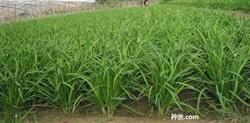 How should herbicides be used in chive fields? When is the best time to apply herbicides when growing chives? We invite experienced netizens to help explain.
Chives are a perennial root vegetable with strong adaptability, cold and heat tolerance, and are cultivated everywhere across China. In many areas of the south they can be produced year-round, but weed control in chives is a common headache for growers, so Zhongdiwang has compiled the methods for using herbicides in chive fields, listed in detail below for netizens' reference.
I. Use before chive seedlings emerge:
1. Use 48 percent dinitramine, 3 to 3.75 liters per hectare, applied after sowing in the chive seedling bed, that is, before chive seedlings emerge.
2. Use 50 percent prometryn WP at 1.5 grams per hectare, applied after sowing chives and before chive seedlings emerge;
3. Use 50 percent prometryn WP at 1.5 to 2.25 grams per hectare, applied after old chives are cut, once the wounds have healed and new leaves have grown.
4. Use 33 percent pendimethalin (Stomp) at 1.5 to 2.25 liters per hectare, applied after sowing in the chive seedling bed and before chive seedlings emerge.
5. Use 50 percent isoproturon WP at 1.2 to 2.25 grams per hectare or 75 percent isoproturon WP at 800 grams per hectare, applied after sowing chives and before seedlings emerge.
II. Use after chive seedlings emerge:
1. Use 15 percent quizalofop-p-ethyl (Jingwenshade) emulsifiable concentrate at 750 to 1000 milliliters per hectare, applied after chive seedlings emerge, when grass weeds have 3 to 5 leaves.
2. Use 10.8 percent haloxyfop-R-methyl (Gaoxiaogaiso) emulsifiable concentrate at 450 to 525 milliliters per hectare, applied after chive seedlings emerge, when grass weeds have 3 to 5 leaves.
3. Use 6.9 percent fenoxaprop-p-ethyl suspension concentrate at 750 to 1000 milliliters per hectare, applied after chive seedlings emerge to control grass weeds, when weeds have 3 to 5 leaves.
4. Use 5 percent quizalofop-p-ethyl (Jinghecaoke) emulsifiable concentrate at 750 to 1000 milliliters per hectare, applied after chive seedlings emerge to control grass weeds, when weeds have 3 to 5 leaves.
5. Use 2.5 percent sethoxydim (Nabujing) at 1.5 to 2 liters per hectare, applied after chive seedlings emerge to control grass weeds when they have 3 to 5 leaves.
Chive growing techniques video
Fertilization methods for growing chives