Detailed Explanation of Ginseng Seed Germination Methods and Steps
How to germinate ginseng seeds? What should be noted? We hope experienced readers can help explain. Ginseng seeds need germination treatment before sowing. Zhongdiwang has compiled the germination methods for ginseng seeds of the current year and seeds from the previous year, listed below for readers' reference. Germination method for ginseng seeds of the current year: ...
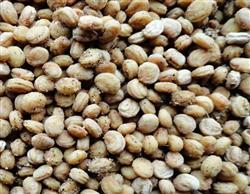 How to germinate ginseng seeds? What should be noted? We hope experienced readers can help explain.
Ginseng seeds need germination treatment before sowing. Zhongdiwang has compiled the germination methods for ginseng seeds of the current year and seeds from the previous year, listed below for readers' reference.
Germination method for ginseng seeds of the current year:
Seeds harvested in the current year can undergo germination treatment after the seed coat is dried. In the early stage, use an outdoor seed germination shed; in the later stage, use wooden boxes indoors. When the seed cracking rate reaches over 90% and the embryo rate of 90% of ginseng seeds reaches over 80%, physiological after-ripening is needed. After completing physiological after-ripening, store them frozen in time, and take them out for sowing in spring.
Preparation of germination boxes and site:
Use wooden boards 2-3 cm thick to make a frame, with a frame height of 40 cm, width of 100-200 cm, and length determined by the number of seeds and the site.
Use wooden boards of the same thickness to make an outer frame, with a distance of 15 cm from the inner frame on all sides, and fill the middle with soil. The outer frame may also be omitted; instead, pile soil around the outer edge of the inner frame and tamp it firm. A box trench made of bricks is also acceptable. For a small number of seeds, a wooden box can be used for germination.
Choose a site with high, dry terrain, good drainage, shelter from wind, and facing the sun. Loosen the ground, level it, and tamp it firm. According to the specifications for the box trench, set up the germination box trench on the leveled ground.
Treatment and germination of ginseng seeds:
Before placing into boxes, soak dry seeds in cold water for 24 hours. For water seeds, soak in gibberellin at 100 mg/kg water for 20 hours, remove and air-dry until the seed coat has surface water, then mix with fungicide (low-toxicity pesticide) for seed disinfection.
For the germination substrate, a mixture of humus soil and river sand (must be sieved) can be used, with humus soil:river sand = 2:1.
First spread 5 cm of substrate at the bottom of the box, then place a mixture of substrate and seeds (3:1), and cover the top layer with another 10 cm of substrate. Adjust the temperature properly.
Management during the ginseng germination period:
Set up a shed that lets light through but not rain, with the opening facing north. Dig drainage ditches around the site to prevent rainwater from entering the germination trench.
In the early germination stage, turn the seeds once every 10-15 days. In the later germination stage, turn the seeds once every 7 days. During turning, pick out moldy seeds.
Method of turning seeds: Take the seeds mixed with substrate out of the box trench, place them on flat ground, turn them thoroughly, and pick out rotten seeds. When turning the seeds, adjust the moisture content of the substrate.
When using pure sand for germination, pay attention to adjusting the substrate between two turnings to prevent excessive moisture or dryness. When using mixed soil for germination, the humidity is 20%-30%. When using pure humus soil for germination, the substrate humidity is 30%-40%. After cracking, the substrate humidity should be kept at the lower limit.
In the early germination stage, the substrate temperature should be 18-20°C and must not exceed 25°C. If it exceeds 25°C, the seeds are prone to mold and rot. In the later germination stage, that is, after the seeds crack, the substrate temperature should preferably be kept at 13-15°C.
Ginseng seed storage standards and storage methods
The seed cracking rate reaches over 90%, and the embryo length of 90% of the seeds reaches over 80% of the endosperm length.
Seeds that have reached the germination indicators cannot be sown in autumn of the same year. Carry out proper overwintering storage. During storage, first go through physiological after-ripening (temperature of 0-5°C), then freeze-store. Do not thaw before sowing.
Germination method for ginseng seeds from the previous year:
Normal treatment time:Generally, germination is carried out before the end of June, mostly outdoors. In late August, the ginseng seeds crack. By the end of September, the seed embryo completes morphological development. They can then be sown in autumn of the same year.
Preparation of ginseng seed germination boxes and site:
Use boards 2-3 cm thick to make a frame, with a frame height of 40 cm, width of 90-100 cm, and length determined by the number of seeds and the site.
Use wooden boards of the same thickness to make an outer frame, with a distance of 15 cm from the inner frame on all sides, and fill the middle with soil. The outer frame may also be omitted; instead, pile soil around the outer edge of the inner frame and tamp it firm. A box trench made of bricks is also acceptable. For a small number of seeds, a wooden box can be used for germination.
Choose a site with high, dry terrain, good drainage, shelter from wind, and facing the sun. Loosen the ground, level it, and tamp it firm. According to the specifications for the box trench, set up the germination box trench on the leveled ground.
Treatment and germination of ginseng seeds from the previous year:
Before placing into boxes, soak dry seeds in cold water for 24 hours. For water seeds, soak in gibberellin at 100 mg/kg aqueous solution for 20 hours, remove and air-dry until the seed coat has surface water, then mix with fungicide (low-toxicity pesticide) for seed disinfection.
For the germination substrate, humus soil, river sand (must be sieved), or a mixed soil of humus soil:river sand 2:1 can be used for germination.
First spread 5 cm of substrate at the bottom of the box, then place a mixture of substrate and seeds (3:1), and cover the top layer with another 10 cm of substrate. Adjust the temperature properly.
Management during the germination period for ginseng seeds from the previous year:
Set up a shed that lets light through but not rain, with the opening facing north. Dig drainage ditches around the site to prevent rainwater from entering the germination trench.
In the early cracking stage, turn the seeds once every 10-15 days. In the later cracking stage, turn the seeds once every 7 days. During turning, pick out moldy seeds.
When using pure sand for germination, pay attention to adjusting the substrate between two turnings to prevent excessive moisture or dryness. When using mixed soil for germination, the substrate humidity is 20%-30%. When using pure humus soil for germination, the substrate humidity is 30%-40%. After cracking, the substrate humidity should be kept at the lower limit.
In the early cracking stage, keep the substrate temperature at 15-20°C; in the later stage, keep it at 13-15°C.
Storage standards and storage methods:
The seed cracking rate reaches over 90%, and the embryo length of 90% of the seeds reaches over 80% of the endosperm length.
Seeds that have reached the germination indicators cannot be sown in autumn of the same year. Carry out proper overwintering storage. During storage, first go through physiological after-ripening (temperature of 0-5°C), then freeze-store. Do not thaw before sowing.
Click to get more ginseng cultivation techniques
Click to get more medicinal herb cultivation techniques