How to Identify Nutrient Deficiencies in Carrots? A Detailed Guide to Practical Diagnosis Methods
How to identify nutrient deficiencies in carrots? We also ask knowledgeable readers to help explain. The nutritional value of radishes has been widely recognized since ancient times; the various nutrients they contain can strengthen the human immune system, and radishes contain multiple trace elements that can induce the human body to produce interferon on its own, which is of great significance for cancer prevention and anti-cancer,...
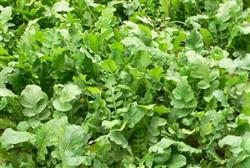 How to Identify Nutrient Deficiencies in Carrots? We Also Ask Knowledgeable Readers to Help Explain
The nutritional value of radishes has been widely recognized since ancient times. The various nutrients they contain can strengthen the human immune system, and radishes contain multiple trace elements that can induce the human body to produce interferon on its own, which is of great significance for cancer prevention and anti-cancer. Thus radish cultivation has endured for a long time; therefore, Zhongdi Network has compiled the symptoms of nutrient deficiencies in radishes during cultivation, listed in detail below for readers' reference.
1. Nitrogen deficiency in radishes: mainly manifested as stunted aboveground growth, pale green leaf color, and relatively small roots.
2. Potassium deficiency in radishes: manifested as brown spots appearing on the leaves, with roots smaller than normal.
3. Calcium deficiency in radishes: manifested as the heart leaves or stems often turning brown, drooping downward, with the whole plant sprawling. The heart area turns brown, and root expansion is inhibited.
4. Magnesium deficiency in radishes: generally manifested as uniform yellowing between the leaf veins, turning brownish-red in severe cases, and tends to occur on the middle and lower leaves.
5. Boron deficiency in radishes: mainly manifested as new leaves becoming smaller and yellowing, with the tips of old leaves easily dying off. The storage root is pale and lusterless, with cavities in the heart. It causes root cracking.
6. Manganese deficiency in radishes: mainly yellowing of radish leaves. Moreover, manganese deficiency greatly affects the root system, causing root deformities, with fibrous roots growing all over the roots.
Causes of Hollow Radishes
Control Methods for Black Heart in Radishes