The Best Time to Plant Taro and Its Nutritional Benefits: Can It Be Eaten with Sweet Potato?
Taro is also called yunai. Do you know the nutritional value and benefits of yunai?
When is the best time to plant taro? Generally it is February, as spring approaches.
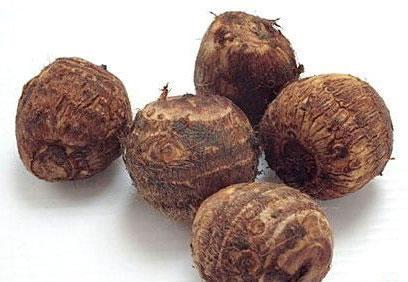
Taro is rich in protein, calcium, phosphorus, iron, potassium, magnesium, sodium, carotene, niacin, vitamin C, B vitamins, saponin and many other components. Among the minerals it contains, the fluorine content is relatively high, which has the effect of cleaning teeth, preventing tooth decay and protecting the teeth; it can enhance the body's immune function and can serve as a common medicinal-diet staple for preventing and treating cancer. Yunai contains a kind of mucoprotein, which after being absorbed by the human body can improve the body's resistance. It has the effect of beautifying the skin and keeping hair black, and can also be used to prevent and treat hyperacidity; at the same time it can increase appetite and help digestion, so traditional Chinese medicine believes that yunai can tonify the middle and boost qi.
Taro and sweet potato can be eaten, and they can also not be eaten together. The components contained in taro and sweet potato are fairly ordinary, and both foods are rich in nutrients, so eating them together will not harm the human body, but taro and sweet potato are both foods rich in starch, so when eating them together, be careful not to eat too much.