-

How to Plant and Care for Cordyline: A Complete Guide to Growing Cordyline
A detailed guide to cordyline planting methods and care techniques, including how to grow cordyline, soil mixes, light and watering, propagation methods, fertilizing and pruning, pest and disease control, and other practical information.
-
The Latest Cultivation Methods and Precautions for Cordyline fruticosa
Cordyline fruticosa, also known as False Palm, Iron Lotus Grass, and Red Iron Tree, is an upright shrub plant of the genus Cordyline in the family Agavaceae, distributed in the tropical regions of southern China, used for garden cultivation; its plant form is attractive, and its colors are gorgeous and elegant. As a potted plant, it is suitable for indoor decoration, embellishing living rooms and windowsills, and is elegant and unique with good ornamental value.
-
How to care for the rainbow leaf plant? Teaching you the correct care methods
The rainbow leaf plant (namely the rainbow Cordyline fruticosa) is a plant suitable for indoor growing. Below we will learn together how to care for the rainbow leaf plant. The rainbow leaf plant (namely the rainbow Cordyline fruticosa) likes a warm and humid environment, and should be placed in partial shade for care, avoiding direct light; strong light easily scorches
-
How to Grow Cordyline: Cultivation Methods and Precautions
The Cordyline has a beautiful plant shape, with gorgeous and elegant colors. Its leaves are patterned, the plant form is elegant, bright and vivid, and the whole plant has a red stem, giving people a striking feeling. Cordyline is a common plant with good ornamental value, so to grow a Cordyline well, we
-
How to care for Cordyline fruticosa? Fertilize lightly, avoid heavy feeding, loosen the soil and repot on a regular schedule
Summary Soil: Cordyline fruticosa needs a loose, fertile growing medium. Water: in spring and autumn water about once every 4 days; in summer it can be watered daily. Light: it likes direct sunlight, but in summer it needs appropriate shade. Temperature: the suitable growing temperature is 20-28°C, and the wintering temperature must not be lower than
-

How to grow Cordyline fruticosa? Growing methods and precautions
How to grow Cordyline fruticosa? A good Cordyline fruticosa has an upright trunk, brilliant leaf colors, and clustered leaves shaped like an umbrella, with a very elegant posture. It is an excellent indoor foliage plant. To make Cordyline fruticosa full and well-shaped, pay attention to the following points: Cordyline fruticosa likes a warm and humid environment, but it can also tolerate shade, and it is not tolerant of cold or frost.
-
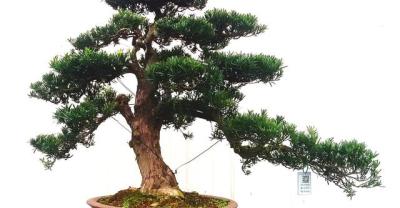
Cordyline fruticosa: How to Grow and Care for It
Cordyline fruticosa, also known as Zhu Zhu, iron lotus grass, red iron tree, etc., is an upright shrub in the genus Cordyline of the family Agavaceae, distributed in the tropical regions of southern China, used for garden planting...
-
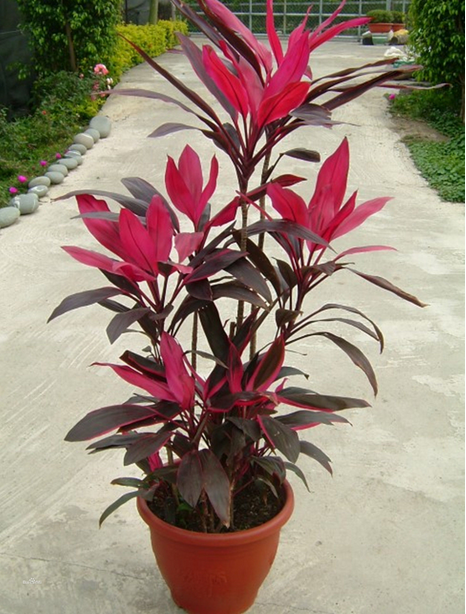
Cordyline fruticosa growing methods and propagation techniques, and what are its other names?
The Cordyline fruticosa plant is quite remarkable: the more the leaves are toward the inside, the redder they become, and the more beautiful they look. If there is a large patch of Cordyline fruticosa, then it is truly something else, turning half the sky red. What are the growing methods for Cordyline fruticosa? How do you propagate it?
-
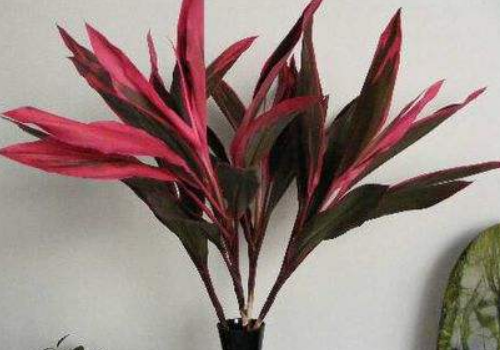
What are the hydroponic methods and precautions for Cordyline fruticosa?
Cordyline fruticosa is suitable for indoor cultivation, but it is not very easy to grow. Does Annie know how to grow Cordyline fruticosa well? What should be noted in hydroponics? How to grow Cordyline fruticosa well: 1. The soil for potting requires looseness. Equal parts of leaf mold or peat soil, garden soil and river sand can be mixed and a small amount of dry livestock manure added as the culture medium.
-
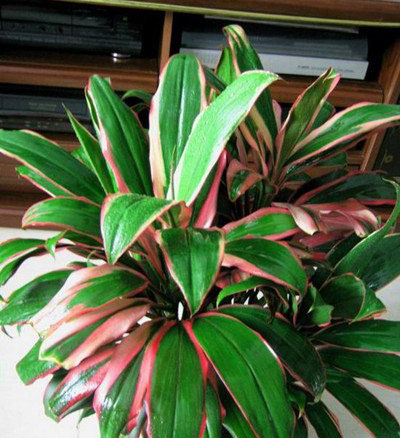
A detailed guide to the propagation methods of the three-colored cordyline, easy to learn at a glance
The three-colored cordyline, also known as the three-colored ti plant, is an evergreen shrub in the Agavaceae family. It prefers a warm, humid and semi-shaded environment and fears direct strong light. Its optimum growth temperature is 20-25°C. It is not cold-tolerant and fears waterlogging. It is suited to loose, fertile, well-drained, slightly acidic sandy loam. The three-colored cordyline is commonly propagated by cuttings.
条件筛选