Cordyline fruticosa: How to Grow and Care for It
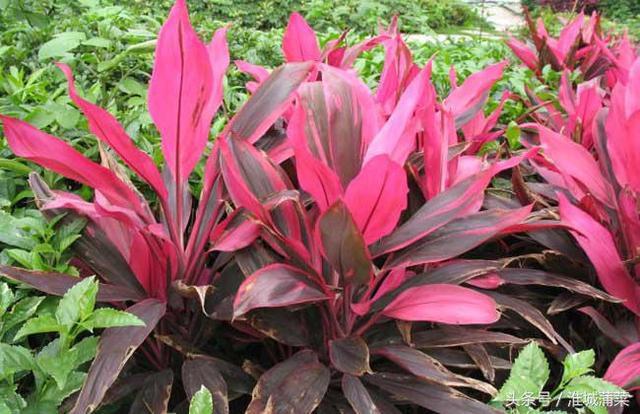
Cordyline fruticosa, also known as Zhu Zhu, iron lotus grass, red iron tree, etc., is an upright shrub in the genus Cordyline of the family Agavaceae, distributed in the tropical regions of southern China, used for garden cultivation. It has a beautiful plant shape and gorgeous, elegant colors. As a potted plant it is suitable for indoor decoration, adorning living rooms and windowsills, elegant and distinctive, with good ornamental value. Let's take a look together at the cultivation methods and precautions for Cordyline fruticosa!
Growth Habits of Cordyline fruticosa
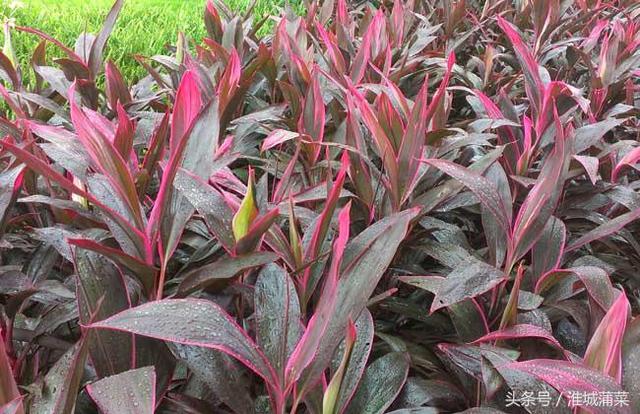
The origin of Cordyline fruticosa is unknown, and it is now widely planted in the warm regions of Asia. It likes a high-temperature, humid climate and is a semi-shade plant. It can neither tolerate the scorching sun of northern regions, nor does it do well in fully shaded areas where the leaves tend to turn yellow. It is not cold-tolerant; except in Guangdong, Guangxi, Fujian and other places, it is only suitable for potted ornamental cultivation in greenhouses. It requires acidic soil rich in humus and with good drainage, and dislikes alkaline soil. When planted in alkaline soil, the leaves tend to yellow and new leaves lose their color. It is not drought-tolerant.
Propagation Methods of Cordyline fruticosa
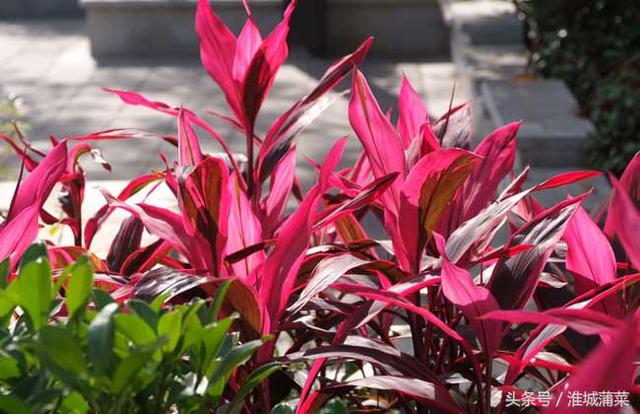
1. Cuttings: In April to May, cut off the top of the branches of Cordyline fruticosa and plant them flat or upright in sandy soil. Under conditions of 25-30°C, roots can develop in about 1 month. When the shoots reach 10 cm in height, they can be transplanted into pots.
2. Sowing: The seeds of Cordyline fruticosa mature in September. The seeds are relatively large and are usually sown by dibbling in shallow pots. The suitable germination temperature is 24-27°C. They germinate 2 weeks after sowing. When the seedlings are 4-5 cm tall, transplant them into 4 cm pots.
3. Layering: In May to June, select a robust main stem of Cordyline fruticosa, and 20 cm from the top, perform ring-barking, cover with moist moss and wrap with plastic film, keeping the room temperature at 20°C. Roots develop after about 40 days.

Cultivation Methods of Cordyline fruticosa
1. Soil: Cordyline fruticosa likes acidic soil and should be grown in a mixed potting soil containing peat soil.
2. Light: The growing environment of Cordyline fruticosa needs sunlight, but the light should not be excessive.
3. Humidity: Pay attention to changes in air humidity in summer for Cordyline fruticosa; water the plant twice a day.
4. Fertilizing: Cordyline fruticosa is relatively fond of fertilizer. During the peak growing season, apply a dilute fertilizer solution or compound flower fertilizer once every half month.
5. Watering: Cordyline fruticosa is relatively sensitive to moisture, so the potting soil must be kept moist during the growing period.
6. Pruning: Pay attention to pruning Cordyline fruticosa in early spring to encourage branching and make the overall plant fuller and more lush.
Precautions for Cordyline fruticosa
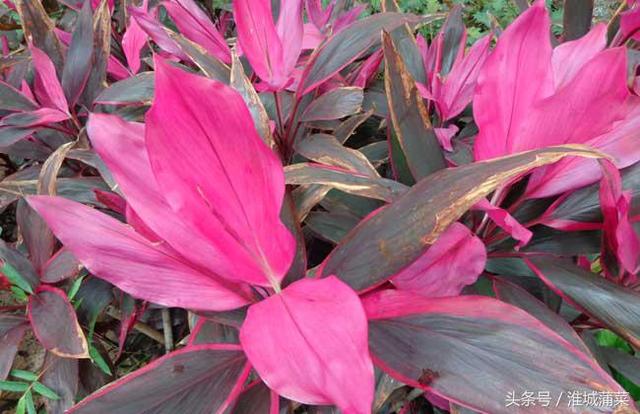
1. The suitable growth temperature for Cordyline fruticosa is 20-25°C. In summer, daytime temperatures can be 25-30°C, and in winter, nighttime temperatures should be 7-10°C. It cannot go below 4°C. Some varieties can tolerate low temperatures of 0°C, which shows that Cordyline fruticosa has strong adaptability.
2. Lack of water in Cordyline fruticosa easily causes leaf drop, but too much water or water accumulation in the pot can also cause leaf drop or yellowing of leaf tips. During the stem and leaf growth period, water should be sprayed frequently, and an air humidity of 50-60% is more suitable.
3. Cordyline fruticosa has strong adaptability to light. Short periods of strong light or longer periods of semi-shade have little effect on its growth. Proper shading at noon in summer to reduce light intensity is extremely beneficial for leaf growth.
4. The cultivation soil for Cordyline fruticosa is preferably fertile, loose, and well-drained sandy loam. It is not tolerant of saline-alkaline or acidic soil. For potted plants, a mixed soil of leaf mold or peat soil with potting soil and coarse sand is commonly used.
