Can Bird's Nest Fern Be Grown in Water? Solutions for Brown, Crispy Leaf Edges
Bird's nest fern, many people know it and it can be grown at home. Let's see whether bird's nest fern can be grown in water and what to do about brown, crispy leaf edges:
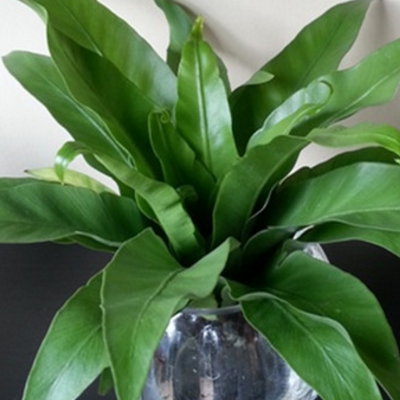
Can bird's nest fern be grown in water:
Yes, it can be grown in water, and the method is as follows:
1. Temperature
The suitable growing temperature for bird's nest fern is 16°C-27°C. When the temperature drops below 10°C, bird's nest fern will stop growing and lose the gloss of its leaf color. In winter, it is best to maintain a temperature above 15°C. If conditions do not allow, at least keep the temperature no lower than 5°C, otherwise the leaf edges of bird's nest fern will turn brown, or the plant may even freeze to death.
2. Light
Bird's nest fern likes semi-shade and cannot tolerate direct strong light. During the growing season, it does not need strong direct light; diffused light is best. This means natural light coming in through windows and other places, naturally diffused indoors. In summer, try to avoid direct sunlight.
3. Humidity
In daily care, spray clear water on the leaf surface and around bird's nest fern to maintain humidity; you can spray clear water twice a day. Or wipe the leaf surface with a towel, which can both increase humidity and clean the leaf surface of bird's nest fern.
4. Ventilation
Bird's nest fern can grow well in an environment with circulating air. The place where the water-grown bird's nest fern is placed should have doors and windows opened regularly to create air convection so that fresh outside air enters the room.
5. Nutrient solution
Generally, you can use the special nutrient solution for water culture sold on the market. What you should note is that tap water should be left to stand for a day, and after its temperature approaches room temperature and the chlorine in the water has volatilized completely, then add the nutrient solution in proportion.
6. Changing the water
If using tap water, first let it stand for a day so the chlorine dissipates and the temperature is moderate. In summer, generally change the water for bird's nest fern about once every 20 days, and in winter the interval can be longer. If the water quality is clean, bird's nest fern is growing vigorously, and there is no root rot, an even longer interval is no problem, but the water lost to evaporation should be replenished promptly.
What to do about brown, crispy leaf edges on bird's nest fern:
1. Insufficient or excessive water
One major cause of brown, crispy leaf edges on bird's nest fern is lack of water. If the surrounding air is too dry, it can also cause brown edges.
Treatment method: The watering method differs in winter and summer, so they must be distinguished. In summer, the temperature is high and evaporation is faster, so water frequently. If conditions allow, you must also wash the leaf surface 2 to 3 times a day, and at the same time increase the humidity of the surrounding air; you can sprinkle water on the surrounding ground to increase humidity. When the temperature is lower in winter, keep the potting soil moist, and you should spray more water rather than water more.
2. Insufficient light
If potted bird's nest fern is placed indoors for a long time, it will lead to a lack of light. Treatment method: Place it in a bright spot indoors, and do not leave it in a dark place for a long time. Place it in the sun regularly.
3. Insufficient fertilization
When the plant lacks fertilizer, the leaf edges will also turn brown.
Treatment method: Fertilization is especially needed during the vigorous growing season. You can apply a fertilizer composed of nitrogen, phosphorus, and potassium once every two weeks to promptly supplement the needed fertilizer.
4. Pests and diseases
Nematodes can be called one of the major natural enemies of bird's nest fern, causing its leaves to turn yellow. Treatment method: Cartap granules are the best choice for treating nematodes. Grind them and sprinkle them on the surface of the potting soil.
That is all for the water culture method for bird's nest fern and the treatment of brown, crispy leaf edges. Try growing one right away.
Can Bird's Nest Fern Be Grown in Water? Water Culture Methods for Bird's Nest Fern
Bird's nest fern, also known as shansu flower, gets its name because its leaves grow in a radial ring with a hollow center like a bird's nest. The bird's nest fern most people see is usually grown in soil, so can bird's nest fern be grown in water? Today, we will explain the water culture methods for bird's nest fern, hoping to help everyone.
Can bird's nest fern be grown in water
Bird's nest fern is an epiphytic fern and a perennial shade-loving herbaceous foliage plant. Bird's nest fern can be grown in water. When growing bird's nest fern in water, you usually need to be familiar with some care points:
1. For water-grown bird's nest fern, choose a smaller single plant, then use the potted root-washing method.
2. During the growing season, bird's nest fern should be sprayed with water on the leaf surface frequently to increase air humidity.
3. Be careful to add fertilizer in time. When fertilizer is lacking or the temperature is too low, the leaf edges of bird's nest fern will turn brown.
4. Water-grown bird's nest fern only needs diffused light. Avoid harsh sun exposure, and pay attention to shading in summer.
5. With a winter temperature above 8°C, bird's nest fern can overwinter.
6. In summer, generally change the water for bird's nest fern about once every 20 days, and in winter the interval can be longer.
Water Culture Methods for Bird's Nest Fern
Temperature: The suitable growing temperature for bird's nest fern is 16°C-27°C. When the temperature drops below 10°C, bird's nest fern will stop growing and lose the gloss of its leaf color. In winter, it is best to maintain a temperature above 15°C. If conditions do not allow, at least keep the temperature no lower than 5°C, otherwise the leaf edges of bird's nest fern will turn brown, or the plant may even freeze to death.
Light: Bird's nest fern likes semi-shade and cannot tolerate direct strong light. During the growing season, it does not need strong direct light; diffused light is best. This means natural light coming in through windows and other places, naturally diffused indoors. In summer, try to avoid direct sunlight.
Humidity: In daily care, spray clear water on the leaf surface and around bird's nest fern to maintain humidity; you can spray clear water twice a day. Or wipe the leaf surface with a towel, which can both increase humidity and clean the leaf surface of bird's nest fern.
Ventilation: Bird's nest fern can grow well in an environment with circulating air. The place where the water-grown bird's nest fern is placed should have doors and windows opened regularly to create air convection so that fresh outside air enters the room.
Nutrient solution: Generally, you can use the special nutrient solution for water culture sold on the market. What you should note is that tap water should be left to stand for a day, and after its temperature approaches room temperature and the chlorine in the water has volatilized completely, then add the nutrient solution in proportion.
Changing the water: If using tap water, first let it stand for a day so the chlorine dissipates and the temperature is moderate. In summer, generally change the water for bird's nest fern about once every 20 days, and in winter the interval can be longer. If the water quality is clean, bird's nest fern is growing vigorously, and there is no root rot, an even longer interval is no problem, but the water lost to evaporation should be replenished promptly.
The above are the water culture methods for bird's nest fern that we have explained. Has everyone learned them? For more home decor knowledge, please follow us.
What to Do If Bird's Nest Fern Has Heart Rot and What Position Is Suitable for Placing It
Bird's nest fern, many people like to grow it. Having one at home makes you feel good just looking at it. What to do if bird's nest fern has heart rot? What position is suitable for placing bird's nest fern:
What to do if bird's nest fern has heart rot:
1. Milder case
If the heart rot of bird's nest fern is relatively mild, that is, the leaves in the center of the bird's nest fern have not rotted, but the tender leaves on both sides have rotted, then you can remove the rotted leaves, blot up excess water, and let it grow in a dry environment for a period of time. After it dries completely, resume normal care. Be sure to control the surrounding air humidity.
2. More severe case
If the heart rot of bird's nest fern is already very serious, saving the plant at this point may be relatively difficult. At this time, you can decisively remove the leaves, which can reduce water accumulation and lower the plant's consumption. Keep the remaining leaves and intact root system, and it can still sprout again. You can directly remove the leaves and remove the rotten pseudobulbs.
3. Bird's nest fern with severe heart rot
When the heart rot of bird's nest fern is extremely severe, rot may begin from the base of the stem. At this point, you can first take the plant out of the flowerpot, remove the soil and clean it thoroughly, then remove all the rotted parts on the plant, disinfect with alcohol or potassium permanganate solution, and replant after drying.
What position is suitable for placing bird's nest fern:
Small water-grown plants can be used to decorate a bright living room, study, or bedroom.
That is all for the treatment of heart rot in bird's nest fern. Be sure to place it in the right position.