-
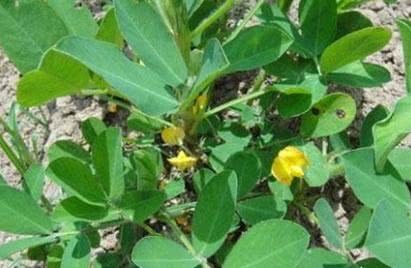
Peanut bacterial wilt is a soil-borne disease and a major cause of peanut yield reduction.
Peanut bacterial wilt is a common disease in peanut cultivation. Once it strikes, it causes peanut plants to wither and die rapidly, and the incidence rate is high, with up to 50% of plants infected by the pathogen, making it a major factor in peanut yield reduction. For the...
-
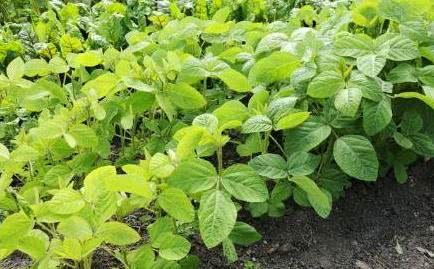
Soybeans Growing Too Vigorously Need Timely Growth Control to Avoid Yield Reduction
In recent years, more and more growers have been planting soybeans, and the soybean planting area has also been continuously increasing. However, many farmers are still not very familiar with the problems that may arise during soybean cultivation, so more problems tend to occur. For...
-

Causes of the 1999 yield reduction of Jin jujube in Ning County and the solutions
Jin jujube cultivation in Ning County, Gansu Province is concentrated in Zaosheng Town. In 1999, the bearing area was 100 hectares, with a total yield of 212.5 tons, which was 22.3 tons less than the average over the years, a reduction of 12.5%, making it a year with relatively poor yield in history. I. Causes of the Jin jujube yield reduction 1. Severe jujube witches' broom disease: According to a survey conducted in Xinzhuang Village, Zaosheng Town, Ning County, before 1997 the rate of diseased plants of jujube witches' broom accounted for 3.98% of the total number of trees, and all diseased trees were fruit-bearing trees. By 1999, the number of trees with jujube witches' broom had risen to 1387, accounting for 10.05% of the total
-
Major progress made in project to control soybean yield reduction from continuous and alternating cropping
The reporter learned from relevant departments that the project "Research and Demonstration of Key Technologies for Controlling Soybean Yield Reduction under Continuous and Alternating Cropping," tendered by the Municipal Science and Technology Bureau, has achieved major progress after two years of scientific research. The project was carried out in Yilan and Bayan counties, the two counties with the largest soybean area in Harbin. Through key technology research, soybean varieties resistant to continuous and alternating cropping were selected, including Kenfeng 16, Heinong 48, Kangxian 4, and Hefeng 47. A formula fertilization technique was proposed with 45 kg of nitrogen, 60-67.5 kg of phosphorus, 67.5-75 kg of potassium, and
-
Reasons for Yield Reduction in Continuous and Alternate Soybean Cropping and Yield-Preserving Techniques
I. Reasons for Yield Reduction in Continuous and Alternate Soybean Cropping Continuous and alternate soybean cropping causes plants to grow slowly and become short, with yellowing leaves, fewer pods, and fewer seeds, ultimately leading to a significant reduction in yield. In the short term, continuous and alternate cropping intensifies the damage from cyst nematodes, root maggots, root rot, pod borers, gray leaf spot, and malignant weeds, causes unbalanced depletion of soil nutrients, leads to deficiencies in soil nutrient elements, increases pathogenic fungi and decreases beneficial bacteria in the soil, and produces certain toxins, resulting in a severe decline in soybean yield and quality. In the long term, after long-term accumulation and reproduction, diseases, insects
-

-
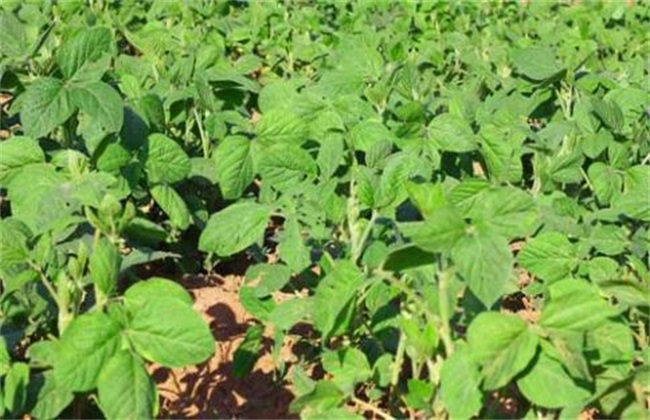
What are the reasons for soybean yield reduction under continuous cropping?
Reasons for soybean yield reduction under continuous cropping
-
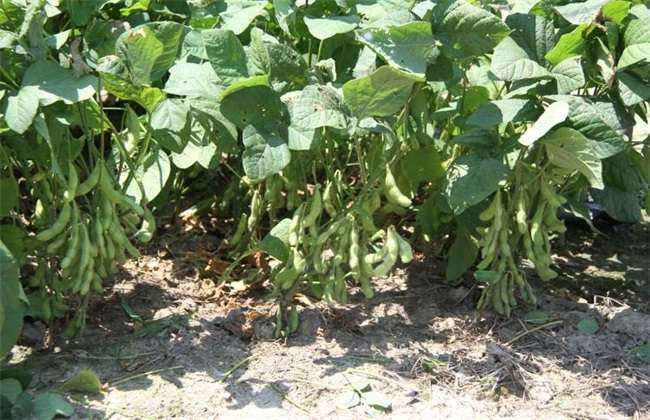
What are the control measures for soybean continuous cropping yield reduction?
Control measures for soybean continuous cropping yield reduction
条件筛选