-

Analysis of the Latest Causes of Sunflower Yield Reduction
The sunflower is not only an ornamental flowering plant of relatively high value. It is also one of China's main oilseed grain crops, and its seeds are the sunflower seeds commonly seen in our daily lives. It is very popular in China and is grown over a large area. However, many
-
What are the reasons for soybean yield reduction from continuous cropping?
Soybean is a very common yet also very important food crop in China. It has a wide planting area, and the various soy products derived from soybean also have very large market demand in China. Therefore, there are still very many people growing soybean now, and
-
Corn high-temperature heat damage can cut yields by 30% or even cause total crop failure; see the prevention methods here
This year there will be 40 days of dog days (the hottest period of summer), which is a serious challenge for corn growth, so what exactly is the harm of high-temperature heat damage to corn? How can these harms be prevented? High-temperature heat damage causes corn yield reduction or total crop failure. High-temperature heat damage is something encountered in corn production
-
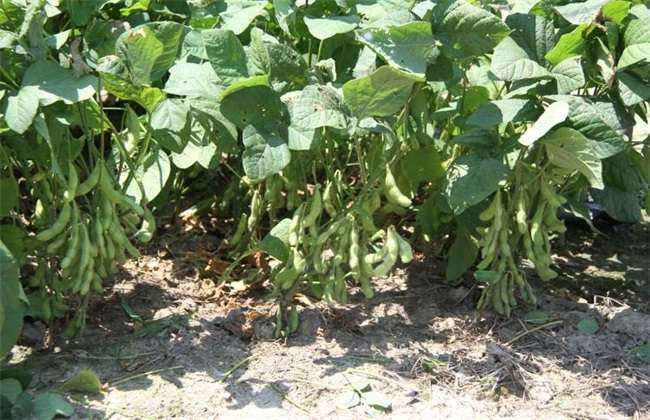
What are the control measures for soybean continuous cropping yield reduction?
Control measures for soybean continuous cropping yield reduction
-
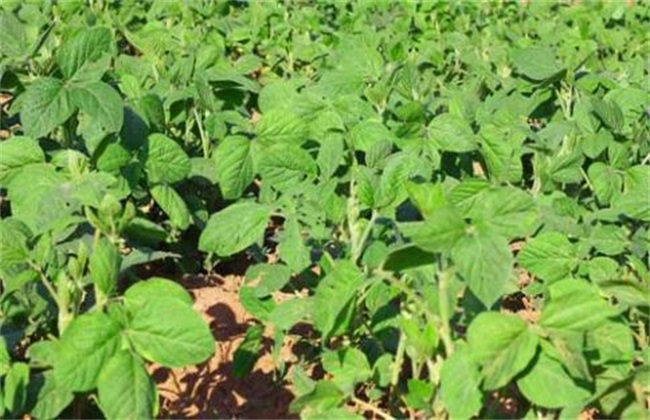
What are the reasons for soybean yield reduction under continuous cropping?
Reasons for soybean yield reduction under continuous cropping
-

-
What are the reasons why mango trees fail to flower and suffer reduced yields?
Recently, Pingtung mangoes have gradually hit the market, but it has been reported that mango flowering and fruiting in Fenggang Village, Fangshan Township, fell short of expectations. Legislator Chuang Jui-hsiung recently inspected the area with experts and demanded that cash disaster relief for natural disasters be provided, but after the joint inspection team assessed the damage, it did not meet the standards for natural disaster relief
-
Reasons for Yield Reduction in Continuous and Alternate Soybean Cropping and Yield-Preserving Techniques
I. Reasons for Yield Reduction in Continuous and Alternate Soybean Cropping Continuous and alternate soybean cropping causes plants to grow slowly and become short, with yellowing leaves, fewer pods, and fewer seeds, ultimately leading to a significant reduction in yield. In the short term, continuous and alternate cropping intensifies the damage from cyst nematodes, root maggots, root rot, pod borers, gray leaf spot, and malignant weeds, causes unbalanced depletion of soil nutrients, leads to deficiencies in soil nutrient elements, increases pathogenic fungi and decreases beneficial bacteria in the soil, and produces certain toxins, resulting in a severe decline in soybean yield and quality. In the long term, after long-term accumulation and reproduction, diseases, insects
-
Major progress made in project to control soybean yield reduction from continuous and alternating cropping
The reporter learned from relevant departments that the project "Research and Demonstration of Key Technologies for Controlling Soybean Yield Reduction under Continuous and Alternating Cropping," tendered by the Municipal Science and Technology Bureau, has achieved major progress after two years of scientific research. The project was carried out in Yilan and Bayan counties, the two counties with the largest soybean area in Harbin. Through key technology research, soybean varieties resistant to continuous and alternating cropping were selected, including Kenfeng 16, Heinong 48, Kangxian 4, and Hefeng 47. A formula fertilization technique was proposed with 45 kg of nitrogen, 60-67.5 kg of phosphorus, 67.5-75 kg of potassium, and
-
Causes of the 1999 yield reduction of Jin jujube in Ning County and the solutions
Jin jujube cultivation in Ning County, Gansu Province is concentrated in Zaosheng Town. In 1999, the bearing area was 100 hectares, with a total yield of 212.5 tons, which was 22.3 tons less than the average over the years, a reduction of 12.5%, making it a year with relatively poor yield in history. I. Causes of the Jin jujube yield reduction 1. Severe jujube witches' broom disease: According to a survey conducted in Xinzhuang Village, Zaosheng Town, Ning County, before 1997 the rate of diseased plants of jujube witches' broom accounted for 3.98% of the total number of trees, and all diseased trees were fruit-bearing trees. By 1999, the number of trees with jujube witches' broom had risen to 1387, accounting for 10.05% of the total
条件筛选