-
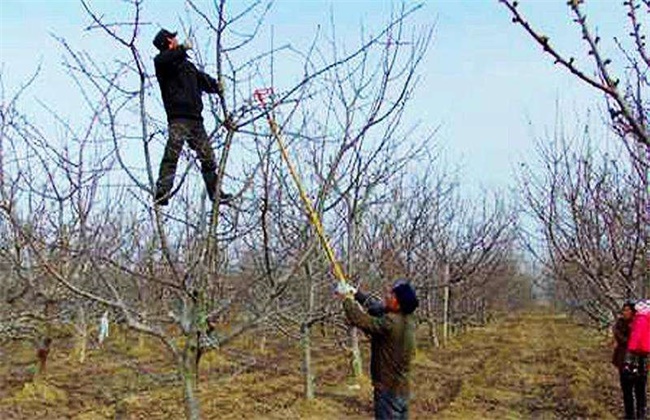
Detailed Explanation of Key Techniques for Winter Pruning of Apple Trees
Winter Pruning Techniques for Apple Trees
-
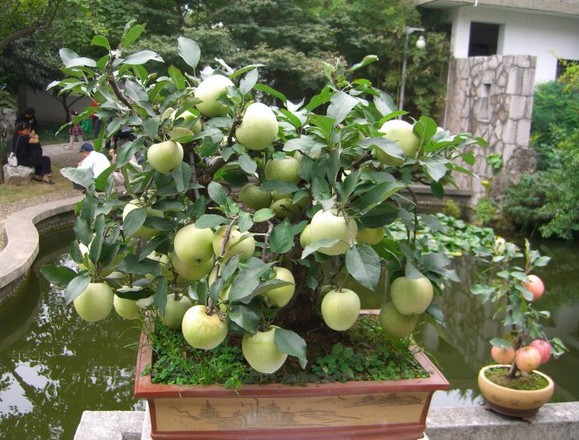
Detailed Explanation of Winter Pruning Methods for Fruit Tree Bonsai, Beginners Can Learn Too
Winter pruning, also called dormant-season pruning, refers to pruning during the dormant period from after the fruit tree sheds its leaves until spring flower buds begin to swell. The so-called winter pruning keeps the tree vigorous because at this time most of the nutrients have already been transferred from the branches and leaves to the main trunk and roots of the fruit tree for storage, so pruning causes the least nutrient loss to the fruit tree and less damage to the tree body.
-
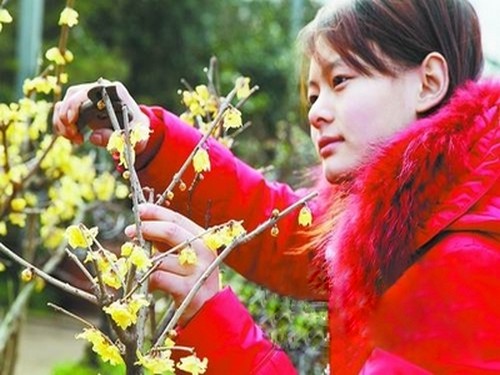
Wintersweet bonsai pruning techniques: master these few points and you are all set
Wintersweet (Chimonanthus praecox) is a flower that blooms in winter and symbolizes resilience and perseverance. Its flowers are small but numerous, with a fragrant scent that fills the air. Nowadays many people also grow wintersweet as potted plants at home. Wintersweet has strong branching ability, and there is a saying that "wintersweet never lacks branches."
-
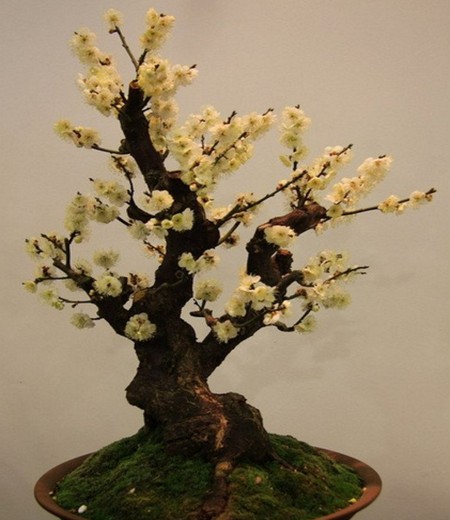
How to prune wintersweet bonsai? Detailed pruning techniques
Wintersweet (Chimonanthus praecox) has strong branching ability, hence the saying "wintersweet never lacks branches." Through timely pruning, it can sprout more strong flowering branches and bloom more profusely. Generally, pruning should be done after flowers fade but before leaves emerge, cutting out dead branches, overly dense branches, crossing branches, and diseased or pest-infested branches, and leaving 2 to 3 pairs of buds at the base of one-year-old branches.
-
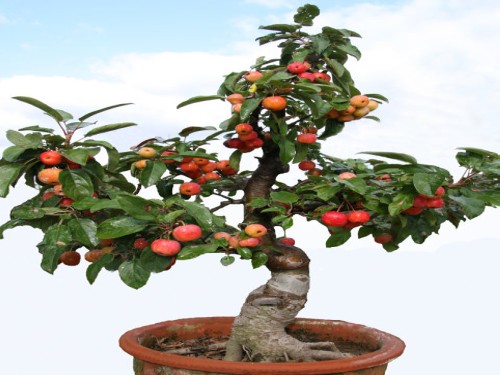
How to prune a winter red fruit bonsai? Detailed pruning methods and techniques
Winter red fruit is a variety of apple. Its tree form is compact, its branches are covered with light pink flowers in spring, and in autumn and winter the tree is covered with exquisite, lovely fruits whose shape closely resembles apples. It is suitable for garden planting or potted ornamental display and for making bonsai. Sometimes, for ornamental purposes, part of the winter red fruit is left unpruned
-
Winter Jasmine Bonsai: How to Make It and Branch and Foliage Pruning Tips
Making a Winter Jasmine Bonsai and Pruning Its Branches and Foliage
-
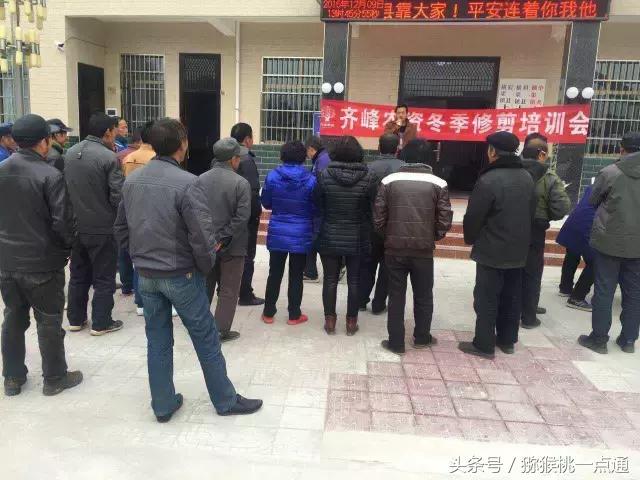
Kiwifruit Orchard Winter Pruning Training, Part Two
Kiwifruit Orchard Winter Pruning Training (Part Two)
-

The correct method for winter pruning of honeysuckle branches
Honeysuckle (Lonicera japonica) is a semi-evergreen twining shrub with a well-developed root system and tolerance to drought and poor soil, making it an ideal plant for soil and water conservation. The pruning of honeysuckle varies depending on the planting form, site conditions, and management level. Its winter pruning techniques are introduced as follows: 1. Pruning period. Winter pruning of honeysuckle is best carried out from December each year to early March of the following year. 2. Pruning methods. 1. Pruning of young plants. Pruning of young plants focuses on shaping, with emphasis on developing primary, secondary, and tertiary scaffold branches to form a sturdy framework and lay the foundation for future high yields.
-
Detailed Explanation of the Key Points of Winter Pruning Techniques for Honeysuckle (Japanese Honeysuckle)
Winter pruning mainly involves cutting off the branches that grow from the main trunk, and selecting and keeping a small number of mother branches on the main branches that can flower the following year. For young plants, select 4-5 robust branches on the main branches and cut off the upper ends at 3-7cm. Winter pruning can only be delayed, not advanced. Pruning of adult trees is mainly carried out in winter. In addition to mastering the essentials of removing the weak and keeping the strong, removing the curved and keeping the straight, and thinning out the overlapping ones, the number of mother branches should also be determined according to water and fertilizer conditions. After pruning, apply fertilizer once and water thoroughly with freezing water.
-
Key Points of Winter Pruning Techniques for Schisandra chinensis and Magnolia biondii
I. Schisandra chinensis (five-flavor berry): Based on the growth and flowering/fruiting habits of short fruiting branches, medium fruiting branches, long fruiting branches and basal shoots, the following pruning methods and principles are determined: since short fruiting branches have poor fruiting capacity, few should be retained; in particular, short fruiting branches that do not flower or bear only male flowers should all be pruned off. Medium and long fruiting branches are the main fruiting branches and grow vigorously; they should be thinned at a spacing of 10-20 cm to facilitate ventilation and light penetration and increase fruit yield. For basal shoots, select and retain 3-4 thick, strong branches per plant as renewal branches, and cut off all the rest. II. Magnolia biondii
条件筛选