-
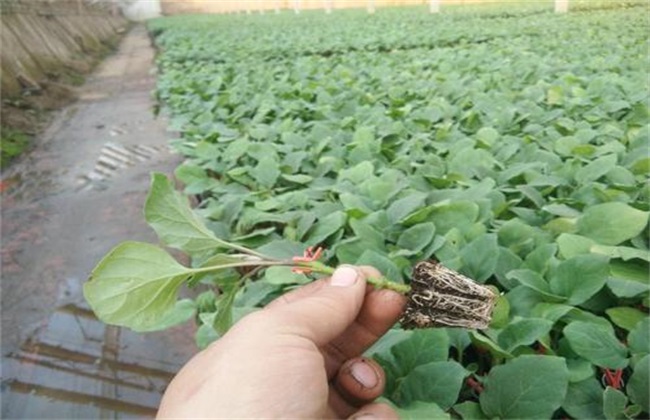
What points should be noted when pricking out eggplant seedlings? Do these well and the seedlings will be stronger
Points to note when pricking out eggplant seedlings
-
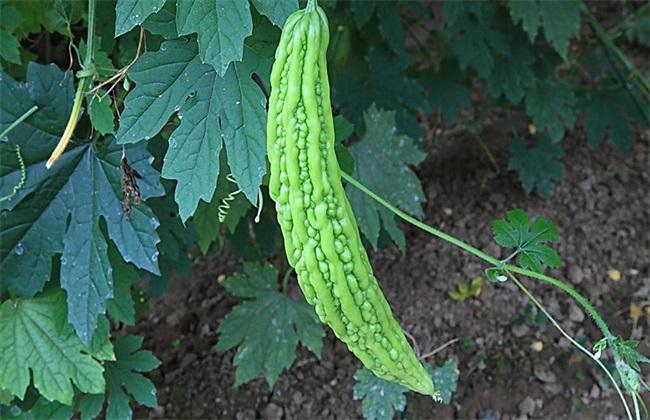
What are the key points for bitter melon winter management? Read this and you will understand
Key points for bitter melon winter management
-
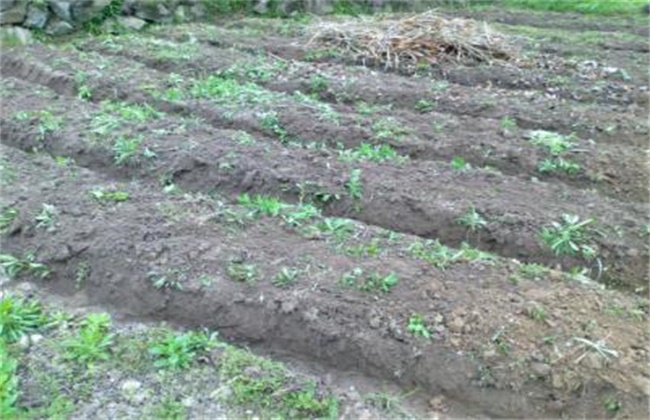
Key points of green bean seedling raising techniques: master these and the seedlings will emerge evenly and grow strong
Green bean seedling raising techniques
-

What are the precautions for growing amaranth? You will understand after reading this
Precautions for growing amaranth
-
If pregnant women eat more of these vegetables, it will benefit the fetus a lot
How pregnant women should eat vegetables is quite particular. The editor's baby has just turned one, so I will share some experience with everyone. Red Date Pumpkin Porridge Ingredients: half a bowl of rice...
-
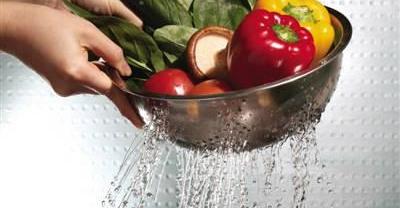
The Complete Guide to Vegetable Planting Times - Keep It Handy and You Will Never Need Help Growing Vegetables
Recently, several friends called me for advice, saying that the heating had come on at home and they wanted to grow some vegetables on the balcony, but they did not know what to plant. Actually, every kind of vegetable...
-

What vegetables are good to plant in autumn? Read this and you will know
1. Suit measures to local conditions and choose suitable varieties. Autumn vegetable production features high temperatures, little rain, and frequent diseases and pests, so it is best to choose excellent varieties that are disease-resistant, heat-tolerant, and high-yielding...
-

Will potato tubers continue to enlarge?
The tuberization stage is the period when tubers form and rapidly expand. Water consumption during the peak tuberization stage accounts for more than half of the total water requirement of the whole growth period. Soil moisture content should be maintained at about 70% of field capacity, that is, when picked up it forms a ball, and when dropped from a height of one meter it breaks apart; this is ideal. In the late tuberization stage, that is, one week to 10 days before harvest, irrigation should be stopped to facilitate harvest.
-
Will rice suffer from quinclorac phytotoxicity after reseeding
Question: 4 mu of direct-seeded rice is at the 3-leaf 1-heart stage. Very few seedlings emerged after sowing, there are no seedlings in the low-lying areas, and the emergence rate is less than 50%. The sowing rate was 7-7.5 kg per mu. Not long ago, quinclorac was used for the "second kill" weed control. May I ask, if rice is reseeded in the areas of this field where no seedlings emerged, will the reseeded rice suffer from quinclorac phytotoxicity? Answer: Quinclorac is a selective herbicide for controlling barnyardgrass in paddy fields. It is generally applied at the 2-leaf 1-heart stage of rice, and applying it too early easily causes phytotoxicity. Before the 1-leaf stage of the seedlings, especially at the needle standing stage, applying quinclorac at the conventional rate
-
What are the basic facts about Ophiopogon japonicus? This article will give you a rundown
Ophiopogon japonicus is a new and superior ground cover plant promoted and planted by China's landscaping departments in recent years. It is enjoyed for its flowers in summer and its greenery in spring, autumn and winter. Its tuberous roots are used in medicine and have the effects of moistening the lungs to stop coughing and benefiting the stomach to promote fluid production. Ophiopogon japonicus is a perennial evergreen herbaceous plant of the Liliaceae family, with spindle-shaped tuberous roots at the ends of the roots. The leaves are velvety, 15 to 20 cm long. The flower stems emerge from the leaf clusters, with racemes in spike form, bisexual flowers, and 6 tepals. The flowers are light purple when they first open and gradually turn white. It can be used as ground cover under trees. The flowering period is July to August; the fruiting period is September to October. Ophiopogon japonicus
条件筛选