Three-step Kohaku vs Ginrin Kohaku: which is better?
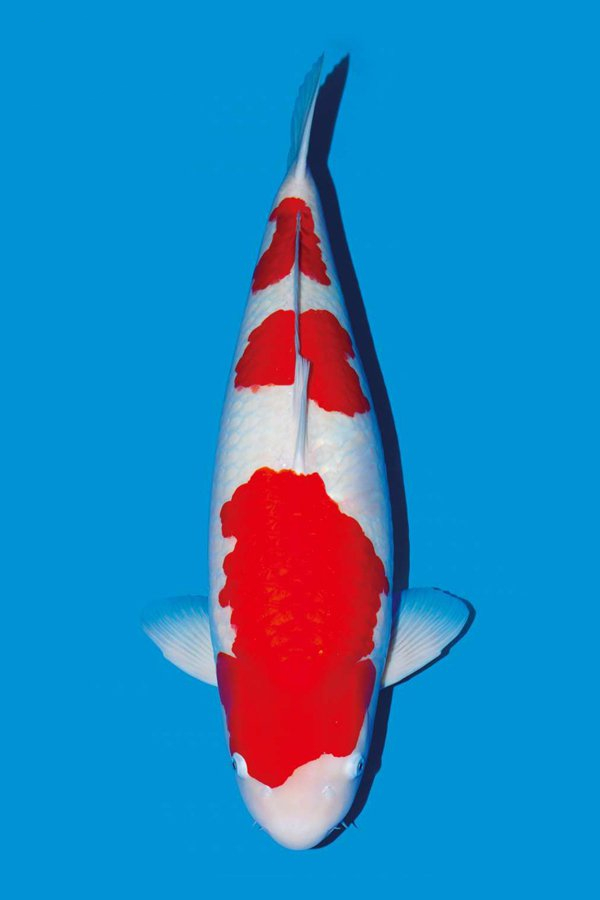
Introduction to Three-step Kohaku. In the entire body of the Three-step Kohaku, the white that serves as the base color is divided by three prominent large red patches, forming a distinctive appearance. The Three-step Kohaku gives an extremely balanced visual impression. The ones we commonly see...
In the entire body of the Three-step Kohaku, the white that serves as the base color is divided by three prominent large red patches, forming a distinctive appearance.
The Three-step Kohaku gives an extremely balanced visual impression. In most Three-step Kohaku that we commonly see, the red patch on part of the front half of the trunk accounts for about half of the total size of the red patches on the whole fish, giving it a fairly weighty feel.
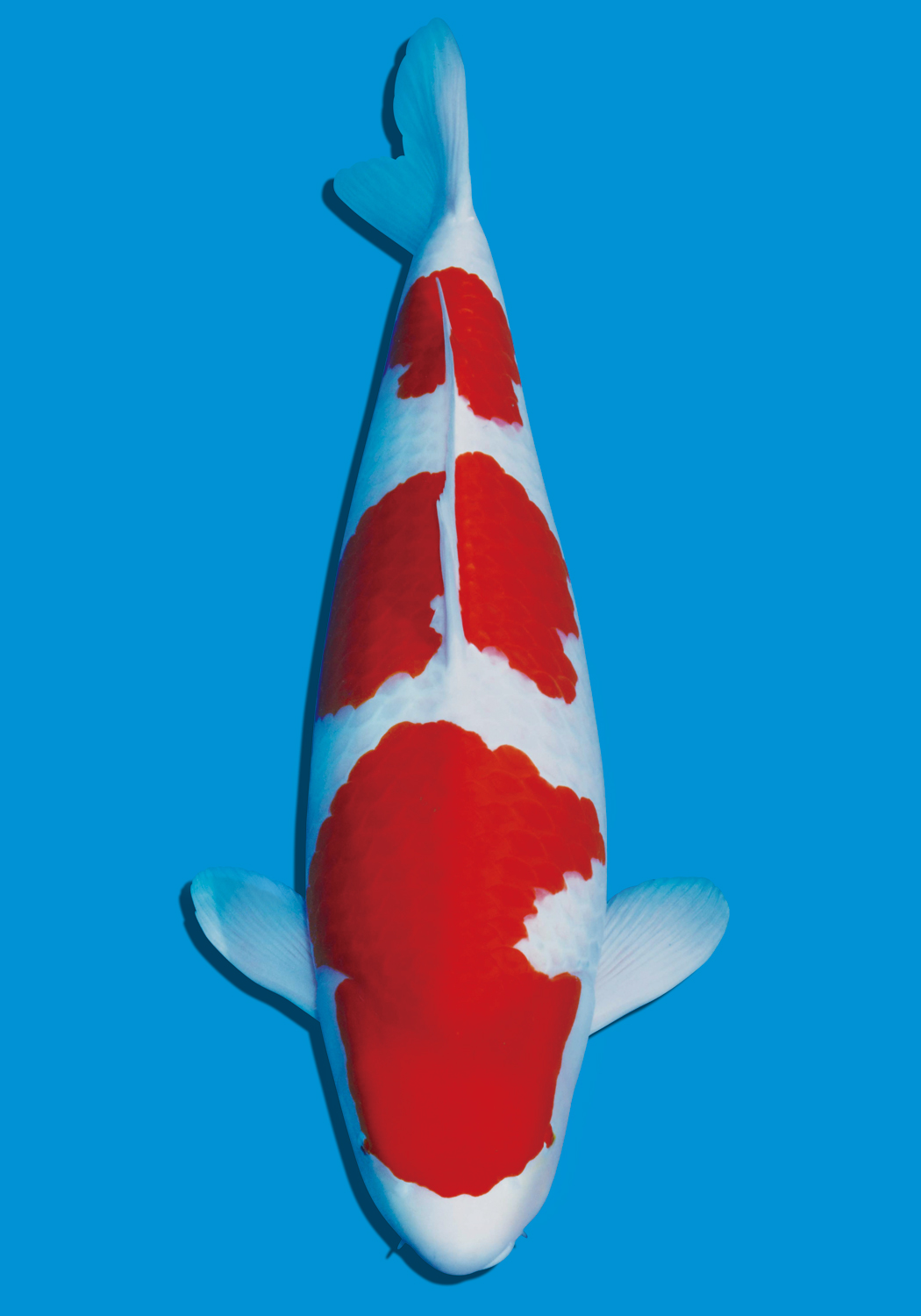
Generally speaking, this three-step structure either presents a balance formed by the contrast between one larger red patch and two smaller red patches, or shows three pattern bands of similar size echoing and complementing one another.
There are also some three-step fish in which two of the pattern bands are larger, occupying 80 to 90 percent of the entire visible area of the fish body, while the red patch at the tail fin area is by comparison only a very, very limited small piece, giving a top-heavy feeling. We would say this kind of red patch distribution is not particularly ideal.