Two-Segment Kohaku vs Ginrin Kohaku: Which Is Better?
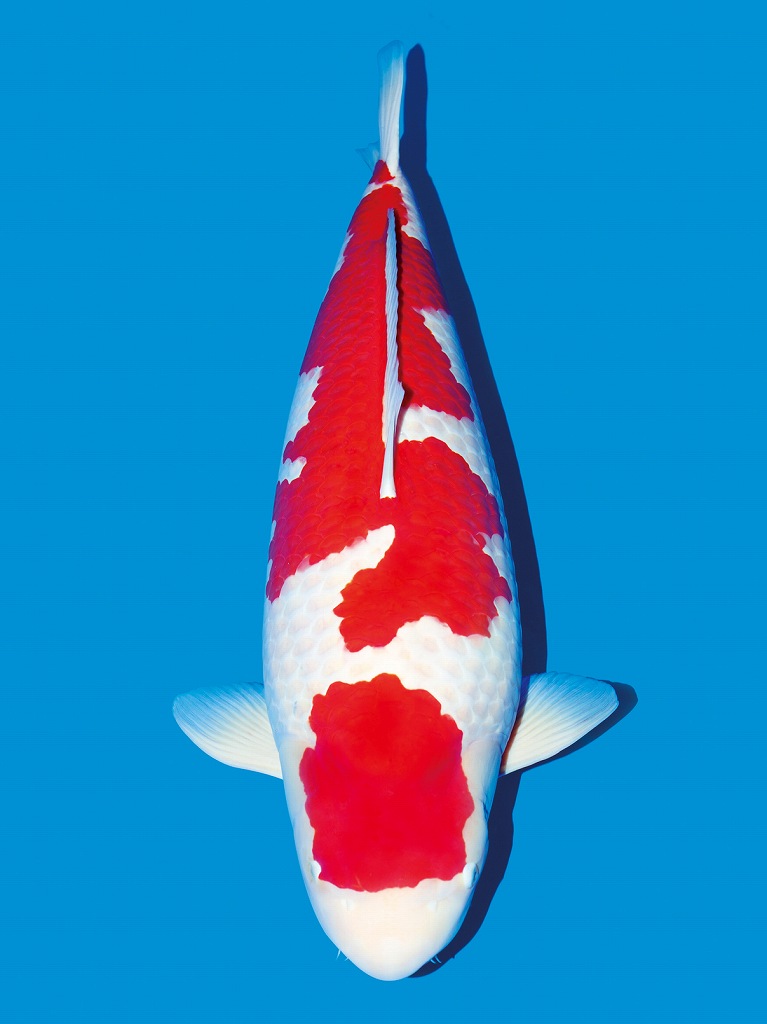
Introducing the Two-Segment Kohaku. The red markings of the Two-Segment Kohaku are very distinctive: there are two pattern zones, one at the front and one at the back. In some, the head forms a separate block, and the second segment begins at the shoulder and extends to the tail joint, such as the famous Koto Sakura. In others...
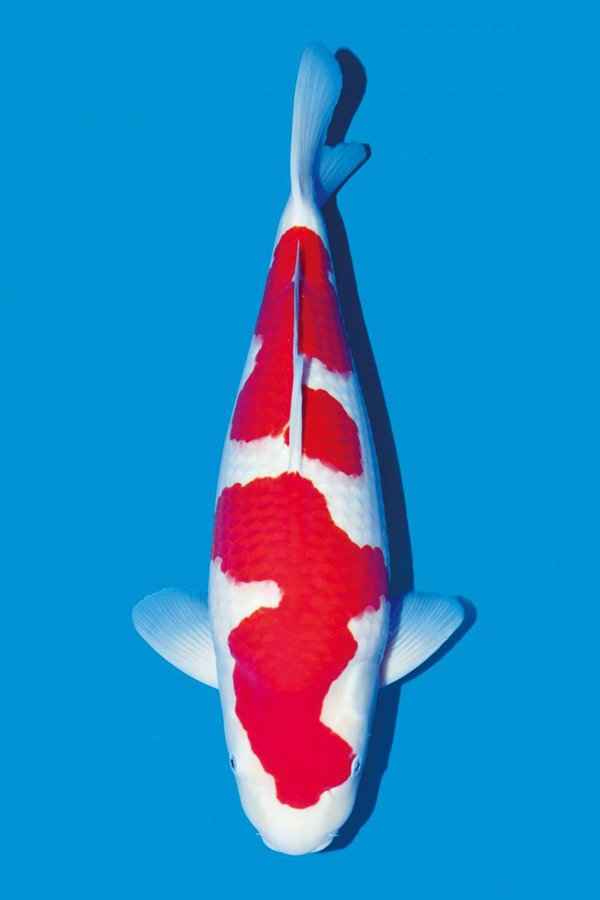
The red markings of the Two-Segment Kohaku are very distinctive: there are two pattern zones, one at the front and one at the back. In some, the head forms a separate block, and the second segment begins at the shoulder and extends to the tail joint.
In others, the first segment begins at the head and extends to the front of the dorsal fin, while the second segment extends from the rear of the dorsal fin to the tail fin. These are the two rather typical red mark forms, though what we usually see is far more varied and colorful.
In others, the first segment begins at the head and extends to the front of the dorsal fin, while the second segment extends from the rear of the dorsal fin to the tail fin. These are the two rather typical red mark forms, though what we usually see is far more varied and colorful.
⟧
Two-Segment Kohaku with high ornamental value often have body markings that are left-right symmetrical, with the red markings spreading out like clouds, yet still clearly distinguishable. When observing a Two-Segment Kohaku, pay special attention to the shape of its head markings, especially around the eyes, which must never be completely covered.
The white must be pure and snow-white; the red must be deep and rich; the boundaries between the blocks must be clear and distinct. The red markings on the body must be left-right symmetrical to count as a fine specimen. The red block on the head must not cover the face or obscure the nose. If it covers the face or obscures the nose, its ornamental value is reduced.