-

How to Cleverly Identify Whether Fish Have Eaten Their Fill
1. Pay close attention to how long the fish take to eat at the feeding tray or feeding ground. If, after a certain amount of feed is put in (the normal feeding amount), the fish finish the feed in less than 2 hours, it means the feed is insufficient and some fish have not eaten or have not eaten their fill, so an appropriate amount should be added. If the feeding amount per ten-day period is fixed and the daily feeding amount within the period is the same, but by the end of the period the feed put in is finished by the fish in less than 2 hours, it means the fish have gained weight and the feed amount should be increased. When feeding compound pellet feed, if the feed has already been finished but the school of fish is still swimming rapidly on the surface layer searching for food and is unwilling to sink into the "second layer of water," it indicates the fish have not eaten their fill. If the school of fish has already dispersed from the feeding tray or feeding ground and there is still leftover bait, the fish have eaten more than their fill, and the feeding amount can be appropriately reduced next time.
-
Whether to feed urea to cattle depends on the forage situation
Feeding urea to cattle: urea can be digested by microorganisms in the cattle's rumen and synthesized into microbial protein, replacing part of the protein feed, so urea is a high-quality protein supplement feed for cattle. But urea is not protein after all, and its utilization efficiency is affected by many conditions. Generally speaking, feeding urea to cattle should be decided according to the forage situation. In winter and spring, when the diet is mainly based on rough and inferior feeds such as wheat straw, dry corn stalks and dry hay, urea can be added; in summer and autumn, when the diet is mainly based on green forage, it should not be fed. Tests have shown that when the crude protein content in the feed is
-

Analysis of the Characteristics of Legume Vegetables and Their Pesticide Residue Situation
Do you like eating legumes? Do you know whether they have pesticide residues? Inspections have found that the pesticide residue failure rate of legume vegetables such as green beans, peas and common beans is as high as 63%. Among the pesticide residues detected were chlorothalonil and acetamiprid
-
Do tea leaves have pesticide residues? Should you discard the first infusion?
Pesticides are now found everywhere on agricultural products, and even tea leaves contain pesticides. Some people discard the first infusion when brewing tea, pouring it away and not drinking it. Is this correct? How can you reduce the chance of ingesting pesticides when drinking tea? Director of the Tea Research and Extension Station of the Council of Agriculture
-

Is the rumour that Huawei's chairman is going into farming and cooperating with Yuan Longping true or false?
Huawei wants to go into farming? Is this true? Is it only because of what Huawei rotating chairman Hu Houkun said? Let's take a look. Huawei rotating chairman Hu Houkun revealed and announced: it will cooperate with the father of Chinese hybrid rice, Yuan Longping, to cultivate seawater rice, and through soil digitalization, make rice grow on saline-alkali land, transforming 100 million mu of good farmland out of 1.5 billion mu of saline-alkali land.
-
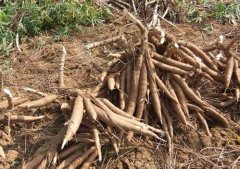
What Is Cassava? The Benefits and Effects of Cassava and Whether It Is Yam
Organic Cultivation of Cassava. Cassava, an erect shrub, 1.5-3 m tall; tuberous roots cylindrical. Leaves papery, outline nearly circular, palmately parted almost to the base, lobes 3-7, oblanceolate to narrowly elliptic, apex acuminate; petiole 8-22 cm long, slightly peltate, with inconspicuous fine ridges; stipules triangular-lanceolate, entire or with 1-2 bristle-like fine lobes. Panicles terminal or axillary, bracts linear-lanceolate; calyx purplish red with a white powdery bloom; male flowers: calyx about 7 mm long, lobes oblong-ovate, subequal, hairy inside; stamens 6-7 mm long, anthers tipped with short white hairs; female flowers: calyx about 10 mm long, lobes oblong-lanceolate, stigma recurved, fan-folded. Capsule elliptic, surface rough, with 6 narrow wavy longitudinal wings; seeds about 1 cm long, more or less trigonous, seed coat crustaceous, mottled, smooth. Flowering period September-November.
-
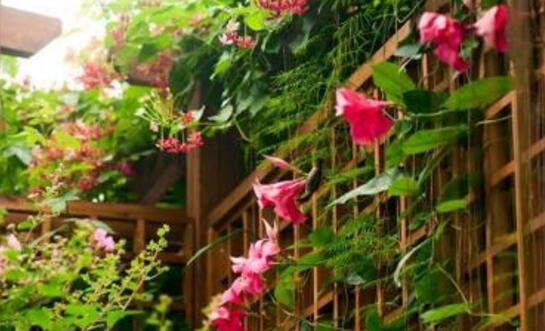
How to care for Madagascar jasmine (Stephanotis) in winter? Key points on whether it can overwinter outdoors and stopping fertilization
It is well known that the most suitable temperature for Madagascar jasmine is 20-31 degrees, yet in most parts of China the winter temperature does not fall within this range, so can Madagascar jasmine overwinter outdoors in winter? The answer is yes. Caring for Madagascar jasmine in winter is slightly different from other seasons.
-
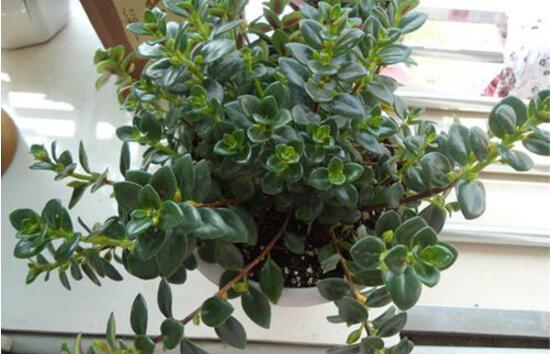
Reasons Why the Goldfish Plant Won't Bloom, and Whether You Can Water It with Beer
The goldfish plant (Nematanthus gregarius) is a common houseplant, and its flowers are very cute, like a little goldfish swimming in the sky, extremely endearing. In everyday life, many people grow goldfish plants, and they all look forward to it blooming, but for some unknown reason, the goldfish plant just won't bloom. What exactly is going on here?
-
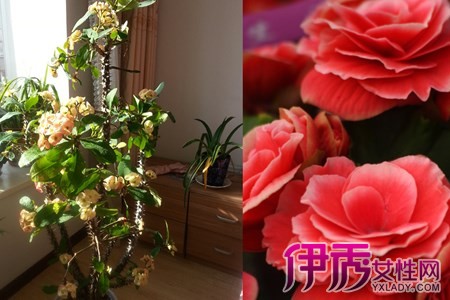
Is the four-season begonia toxic? Answering whether it is suitable for indoor cultivation
The four-season begonia is a succulent herbaceous plant, and this plant is the most common indoor cultivation. This plant has graceful branches and leaves and lush clusters of flowers. This plant is one of the most suitable plants for indoor decoration, and flower growers are also very fond of this plant
-
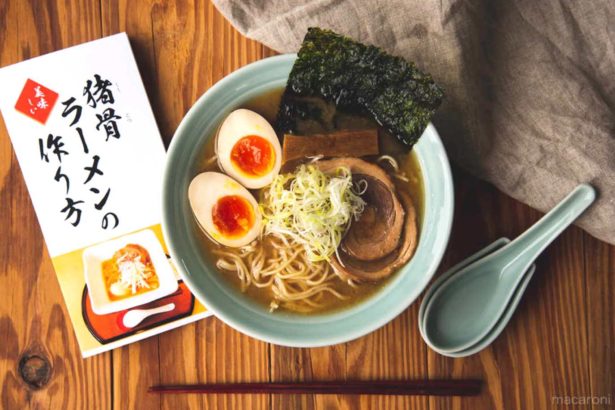
Regional Revitalization Cooperation Volunteers encourage young people to move to the countryside, whether to make tonkotsu ramen or do carpentry
Rural and Local Revitalization 04 / From tonkotsu ramen to woodworking, anything goes! Regional Revitalization Cooperation Volunteers encourage young people to move to the countryside
条件筛选