-

What are the main achievements of soil testing and formulated fertilization work
In response to problems such as serious excessive and blind fertilization in some areas, the 2005 No. 1 Central Document clearly stated: efforts must be made to implement scientific fertilization, do a good job in the fertile soil project, promote soil testing and formulated fertilization, and increase soil organic matter. Starting in 2005, the Ministry of Agriculture began, in
-
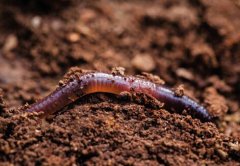
What benefits do soil animals bring to the soil? Their remains can also add fertilizer
Do you know what benefits soil animals bring and what they can be used for? Would you like to learn about it? Let's take a look together. Maybe it will help you with your planting in the future. Soil animals cultivate bacteria and fungi, take in and break down residues, and increase soil respiration
-
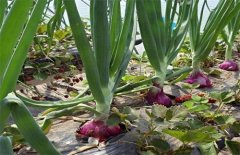
How to Grow Onions: Planting Time and Suitable Soil Selection
What climate and soil conditions are required for growing onions, and how to grow them to produce good onions. Onions prefer climate conditions with ample sunlight, warmth and coolness, and dislike high-temperature, high-humidity environments. The optimum temperature for seed germination is between 16°C and 25°C, and the root system develops best
-
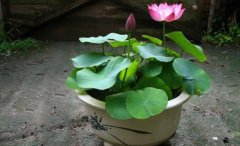
What Happens If You Grow Bowl Lotus Hydroponically Without Mud, and Can Water Lilies Be Grown Entirely in Water?
Bowl lotus is an aquatic plant, but do you know what happens if you grow it without mud? Can it still survive? Can it be grown entirely in water? Many people simply put bowl lotus seeds directly in water to grow them, which is wrong; this should not be done after the seeds sprout, and it is also not acceptable before they sprout.
-

How many years can African violets be grown, what soil to use, and what is their flower language?
African violet is also known as African violet or Saintpaulia, and its flower language is "little love". In what kind of regions does it generally grow? Let's find out together! African violets, along with gloxinia, dolphin flowers, lipstick flowers, etc., are all common ornamental plants of the Gesneriaceae family in local flower markets.
-
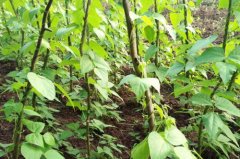
Kidney bean planting and field management methods, what soil pH value is most suitable
The kidney bean plant is relatively fond of light and warmth, and its cultivation is also relatively simple. So do you know how to plant kidney beans? Would you like to learn about it? Then take a look! Kidney beans like warmth and cannot tolerate high temperatures or frost. When planting, the seeds are suitable for germination
-
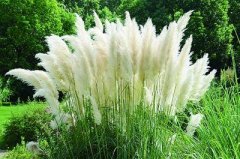
Physical Characteristics of Feather Reed Grass and Soil Requirements of Its Growing Regions
What is feather reed grass? Feather grass is a clump-forming ornamental grass with many varieties. It is a deciduous plant, but it is the first among the family to show foliage in early spring. Feather reed plants may grow to 3 to 5 feet tall and in June produce an inflorescence that starts green and slowly
-
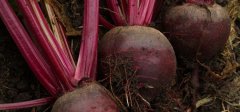
How to Sow and Grow Beetroot: A Detailed Guide to Soil Selection and Harvesting Methods
Beetroot is a great crop - resilient to soil types, undemanding and unfussy. What's more, you can harvest two different delicious crops from the same plant, making it a vegetable well worth freeing up space for in your garden.
-
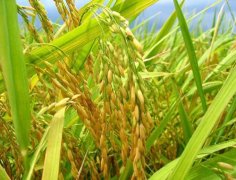
Four Key Points of Rice Seedling Cultivation Technology and Materials Needed for the Seedling Soil Formula
Rice is now our most important food, it is our staple food, so how much do you know about rice cultivation methods? Let's first take a look at the rice seedling cultivation methods below! Seedling cultivation methods 1. Seedbed soil Use one part wood shaving compost (each box weighs about 520 grams, 125 kg per hectare), add one part crushed rice husk (each box weighs about 150 grams, 36 kg per hectare), add one part soil (each box weighs about 800 grams, 192 kg per hectare), that is, a 1:1:1 volume ratio as the seedling cultivation material. The mixing method is carried out with a mixing mixer, or one part wood shaving compost and one part crushed rice husk are evenly spread on the upper layer of the soil pile, then mixed into the soil with a tractor, and finally screened with an electric soil crushing and soil sieving dual-purpose machine to obtain uniform seedbed soil. For covering soil, mix one part crushed rice husk with one part soil (that is, 1:1) for covering. The total soil amount including covering soil, calculated at 300 grams per box, is 264 kg per hectare. Compared with the current 432 kg of seedling soil mixed with rice husk and soil, this saves 168 kg per hectare (38.9%).
-
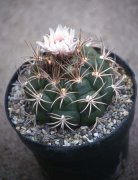
What soil should be used for potted cacti, and how should they be watered?
We all know the cactus plant, and nowadays many people like to grow potted cacti, but do you know how to grow potted cacti? As a potted plant, the cactus is clearly different from most potted plants. Most potted plants come from tropical rainforests and like
条件筛选