-
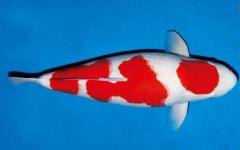
What are the "Big Three" and the "Big Four" Japanese koi varieties? WWD Fish Notes
After koi were made a viral sensation on Taobao last year, koi, after lying quiet for many years, have slowly returned to the public eye. What we call koi generally refers to Japanese koi with distinct characteristics, also known as KOI, while varieties with color that is not vivid are called "local cannons." In other words,
-
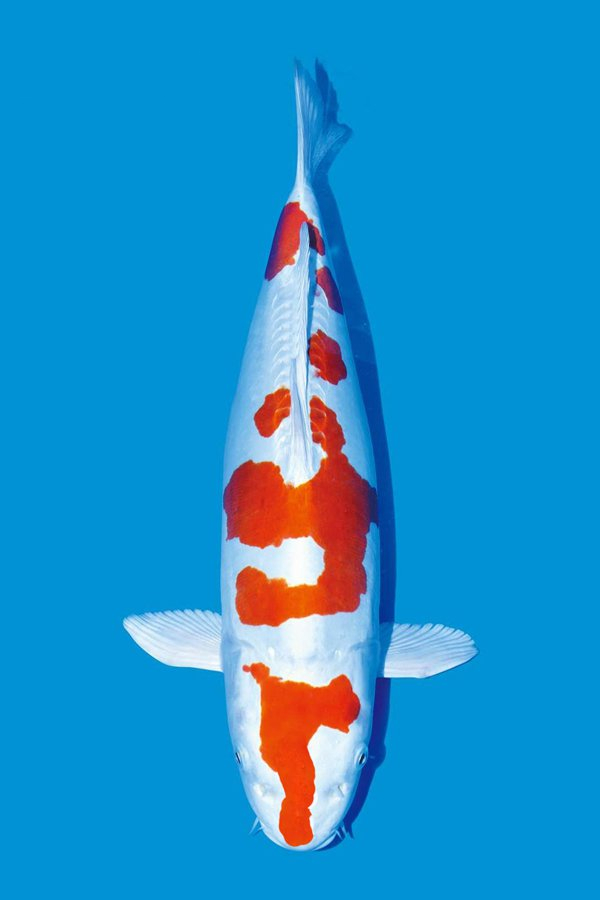
What color characteristics do Hanatsuki Kohaku koi have?
Introduction to Hanatsuki Kohaku / Senbari Kohaku koi. Hanatsuki Kohaku, also called Senbari Kohaku, has a red patch on the head that connects with the red patch on the mouth, with no interruption between them; this is called Hanatsuki Kohaku. The red patch on the head of a Hanatsuki Kohaku must run through to the mouth, while the body portion can appear...
-
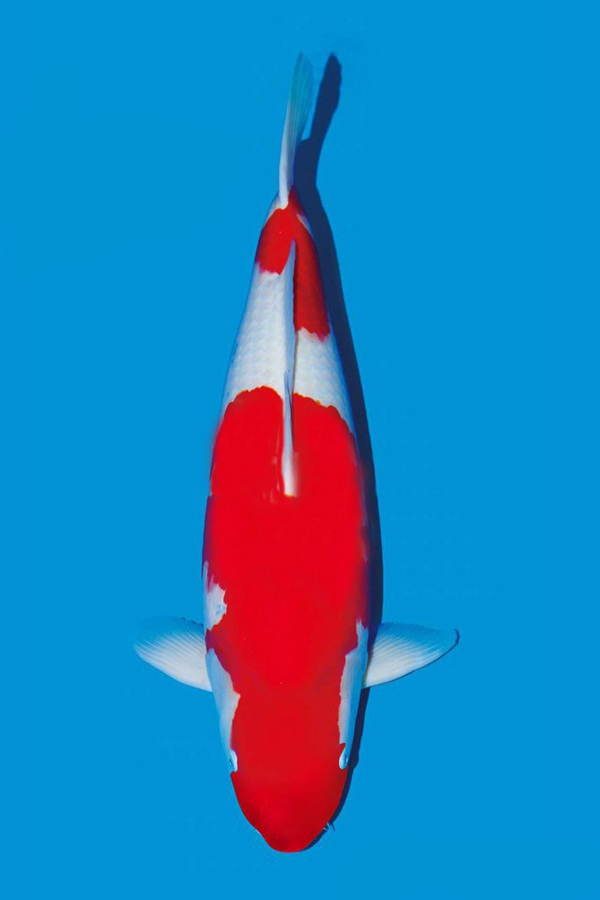
What is the difference between a mask kohaku and a kohaku?
Introducing the mask kohaku. A mask kohaku is a kohaku whose entire head is covered by a red patch while the rest of the body has a red-and-white combination. Appreciating the mask kohaku. As people's appreciation standards keep shifting and flowing and aesthetic views keep being renewed an...
-
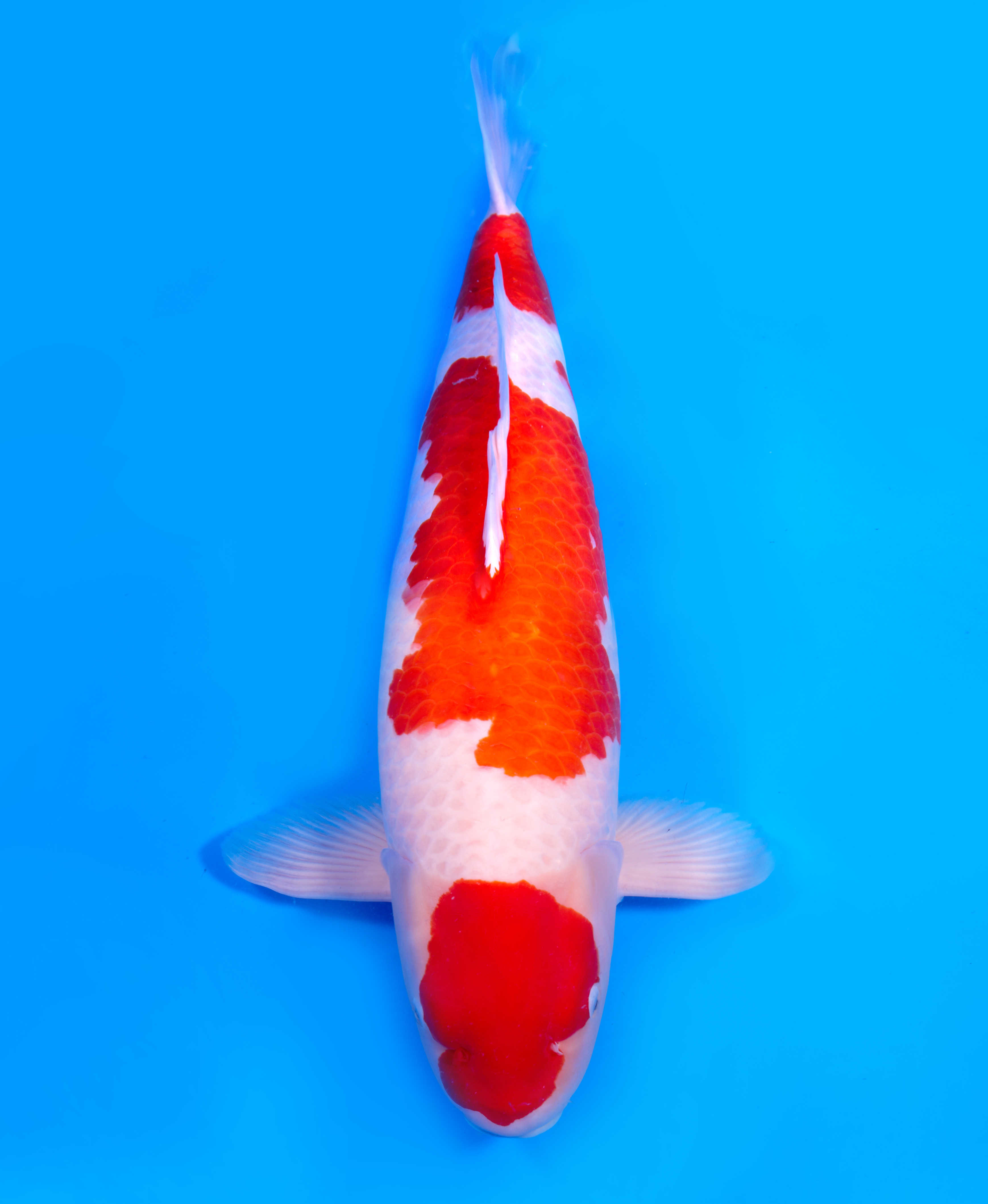
What to pay attention to in koi breeding, Vorticella - Parasites - Koi diseases and treatment - Koi fish - Ornamental
Vorticella, also known as bell animalcule, cup animalcule, and tongue-cup animalcule, is a common sessile ciliate in water. The body of Vorticella is thick at the front and thin at the back, cup-shaped or trumpet-shaped, about 100~400UM in size (UM is the micrometer unit, 1000 micrometers = 1 millimeter), with a peristome at the front end, connected below to...
-
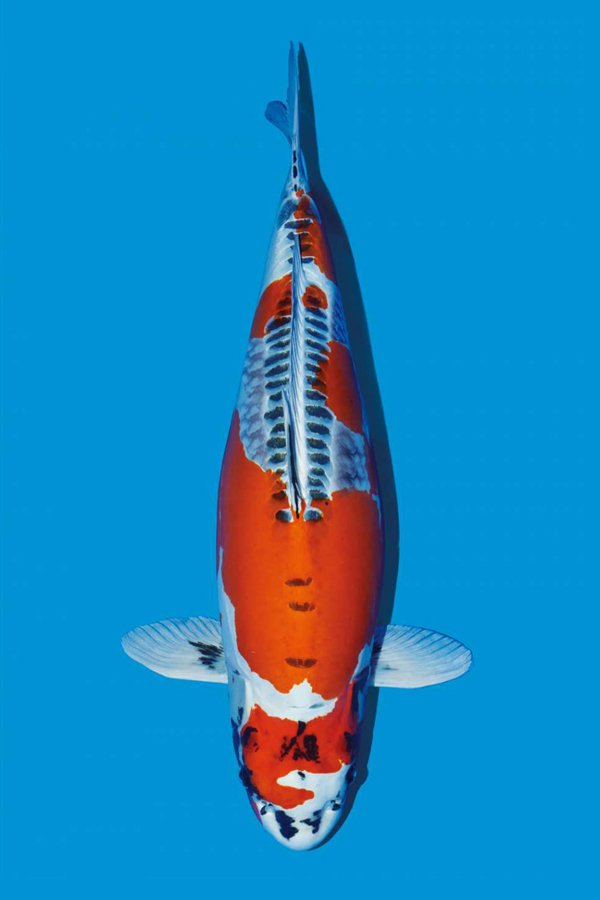
What are the color characteristics of the Five-Color Shusui koi?
Introduction to the Five-Color Shusui koi. The Five-Color Shusui is a koi produced by crossing the Shusui koi with the Five-Color koi. Since the Shusui koi and the Five-Color koi are themselves hybrid varieties, the Five-Color Shusui possesses even more shifting colors. The Five-Color koi is derived from the Five-Color Asagi...
-
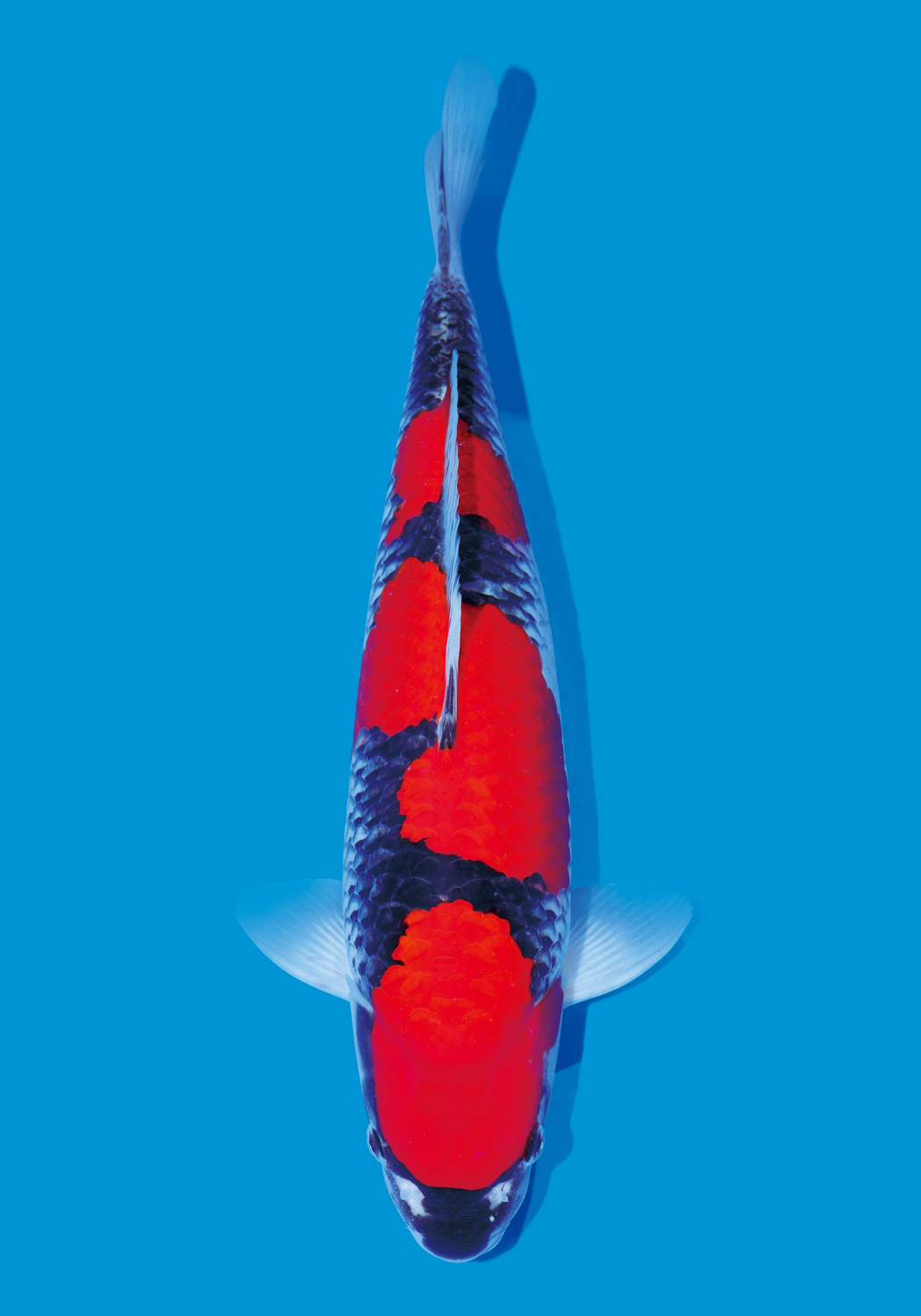
What Are Five-Colored Koi Like? An Analysis of the Color Characteristics of Yellow Bekko Koi
Introduction to Five-Colored Koi. Five-colored koi are produced by crossing light yellow koi with three-colored koi, and are named five-colored because they carry white, red, black, blue and indigo on their bodies. In the white five-colored type, those with a beautiful red pattern are especially prized. Five-colored koi change greatly before the age of 2, so at 1 year old they must be observed in detail for skin...
-
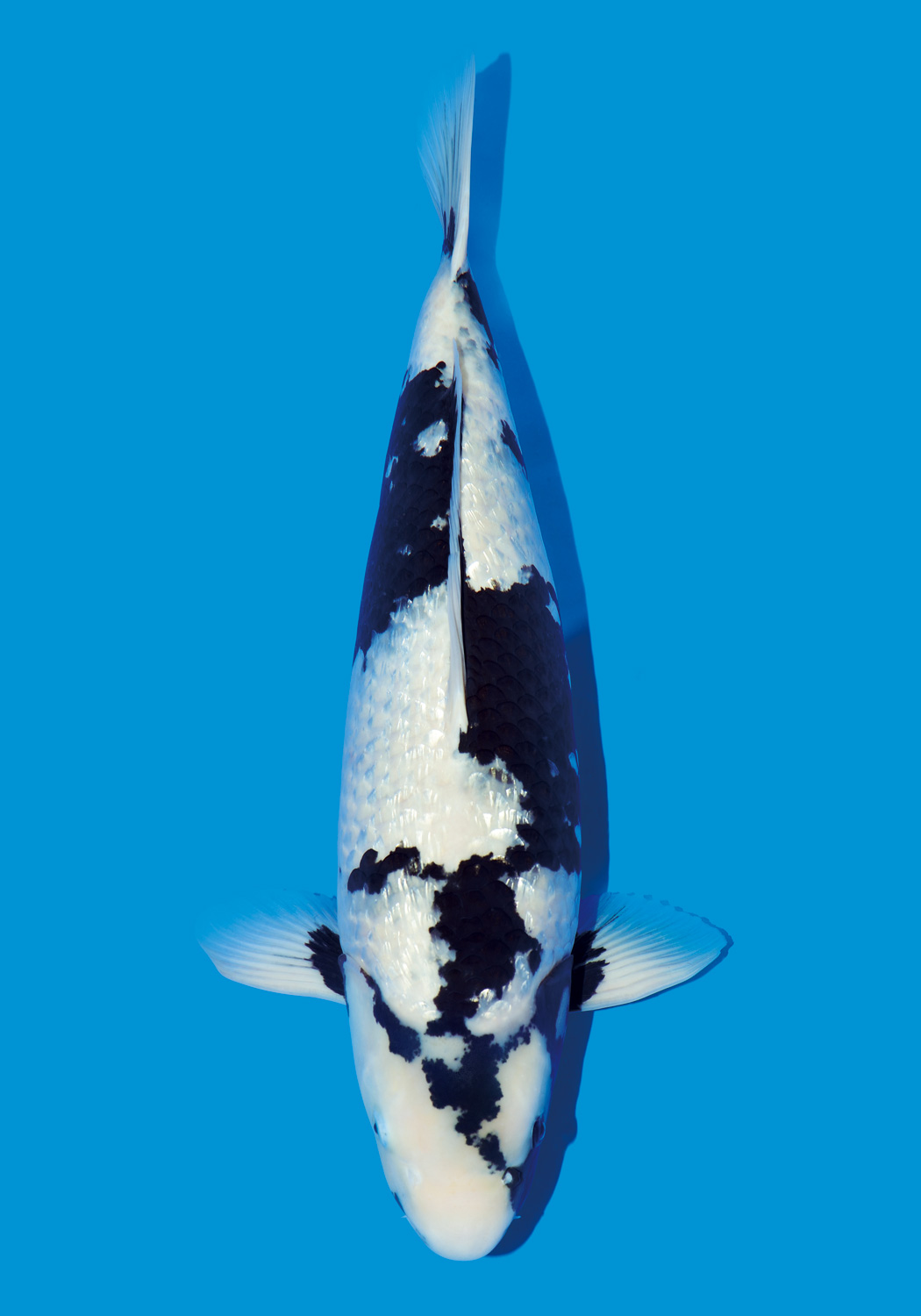
What is the difference between Ginrin Utsuri koi and Ginrin koi
Introduction to Ginrin Utsuri koi. Gold and silver scale koi are a perfect combination of magnificence and luxury. Their dazzling gold and silver radiance, resplendent like inlaid diamonds, pearls, and gemstones, and their graceful swimming posture in the pond always make them the focus of people's attention. And Ginrin Utsuri is a type of gold...
-
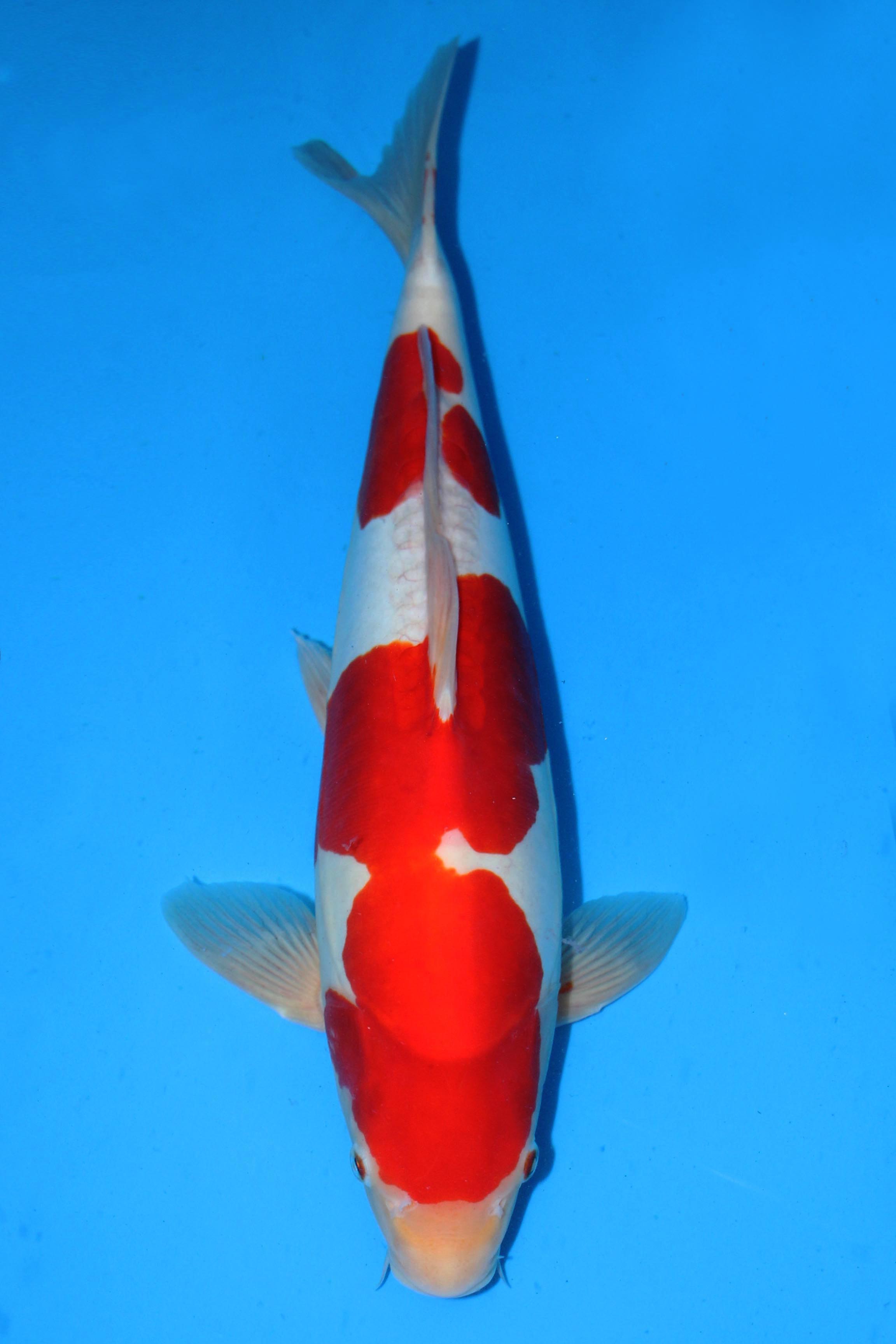
What are the characteristics of German Red and White koi?
Introduction to German Red and White koi. German Red and White is a Red and White koi originally from Germany, and it is now one of the main parent stocks widely crossbred with Japanese koi to breed high-quality offspring. German Red and White, in short, is a German carp with red and white markings. German koi...
-
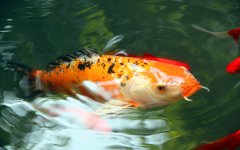
What fish are good to keep with koi? Choose this way for greater ornamental appeal
Koi are a popular ornamental fish, so what kind of koi should you choose to make them more ornamental? The selection of koi can follow certain standards. Since ancient times, the judging standard for koi has always used 50 points for posture, 30 points for color, and 20 points for pattern, for a total of 100 points...
-
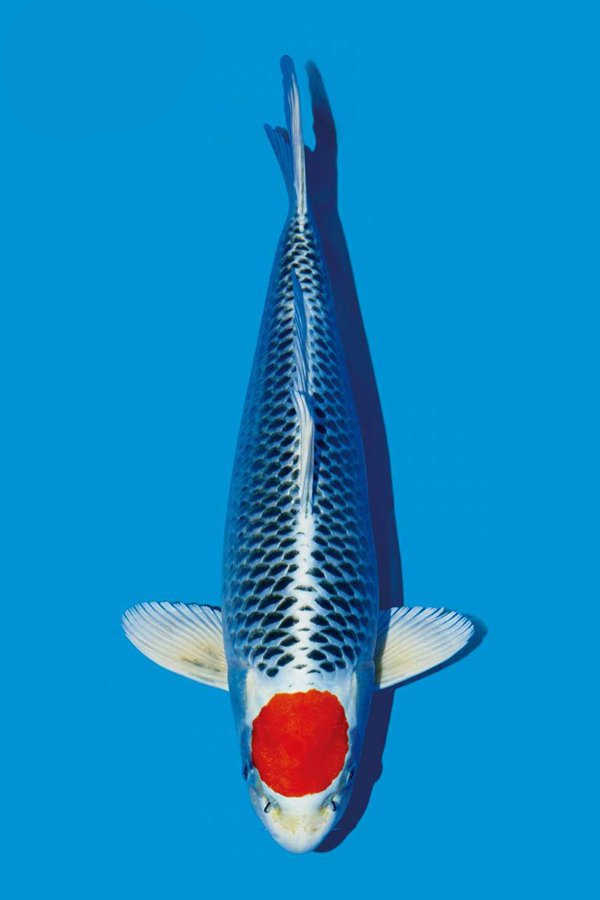
What are the symptoms when koi fish get sick? Detailed explanation by Mr. Sato, a legendary koi master from Japan
Mr. Sato, a legendary koi master in the Japanese koi world, Hui Ri Xing Follow the official account to learn the latest news anytime Mr. Sato is truly a legendary figure in the Japanese koi world, the exclusive koi master for Kiyoshi Maekawa. The parent fish of Dainichi (Jinchuan & Jinhong) and Sakai (Li Bei) were all discovered by him...
条件筛选