What fish are good to keep with koi? Choose this way for greater ornamental appeal
Koi are a popular ornamental fish, so what kind of koi should you choose to make them more ornamental? The selection of koi can follow certain standards. Since ancient times, the judging standard for koi has always used 50 points for posture, 30 points for color, and 20 points for pattern, for a total of 100 points...
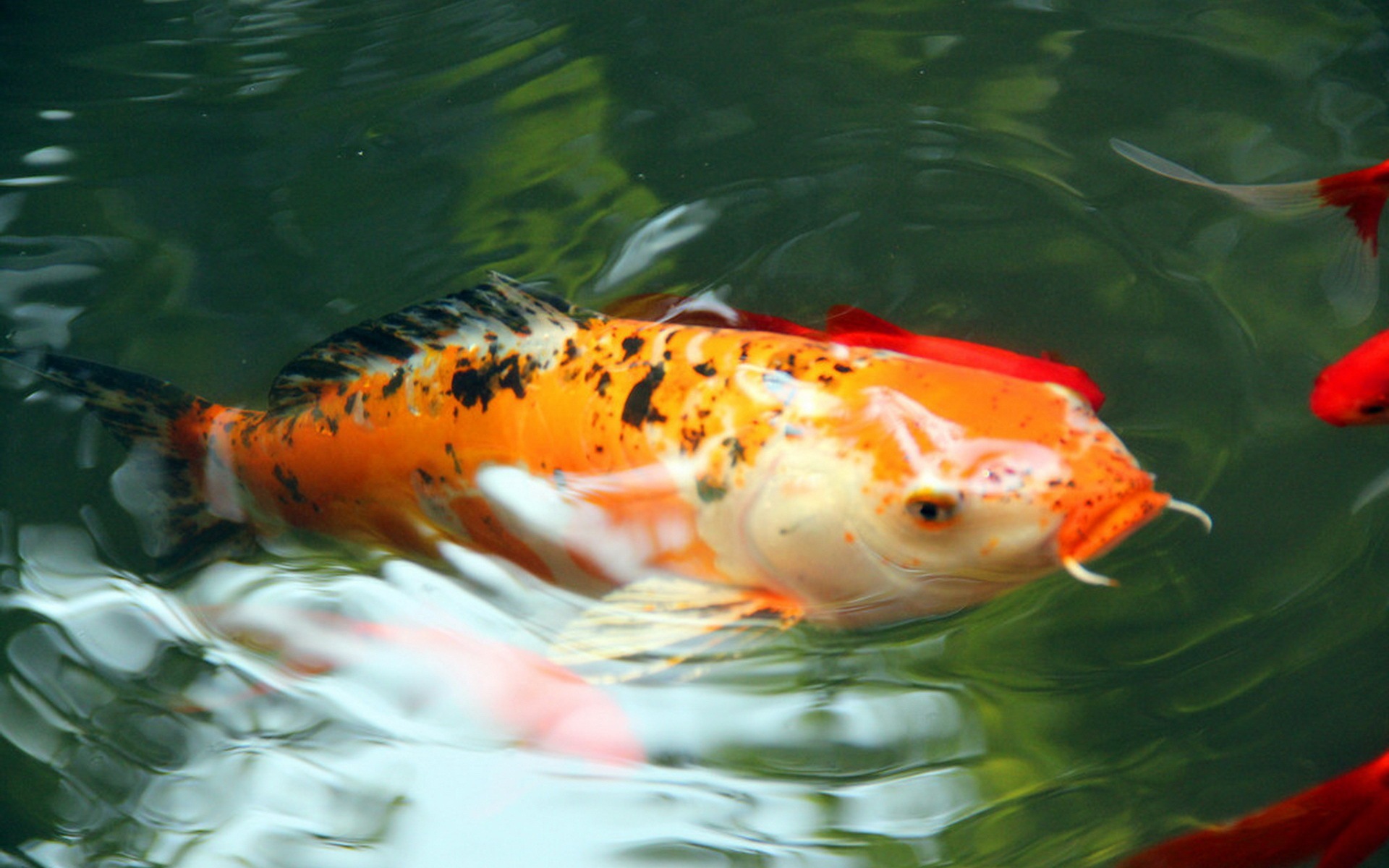
What kind of koi should you choose to make them more ornamental?
First, choose ones with bright colors and obvious features. Red should be blood red, black should be deep black, and the edges of the pattern patches should be clear and neat. Do not choose fish with blurry color patch edges and dull, lusterless colors.
Second, the fish body should be straight, upright, and symmetrical, with no splits or forks in the dorsal fin, pectoral fins, or tail fin, and no injuries at all on the body surface.
Third, regarding the size of the fish body. Keeping koi at home is mainly for ornamentation, so there is no need to choose fish that are too large; a body length of 10-20 cm is more suitable. Another important reason to choose small koi as much as possible is that the householdaquariumhas limited water capacity, so choosing smaller fish allows you to keep a few more. Large fish consume a lot of oxygen, and too many of them can easily die.
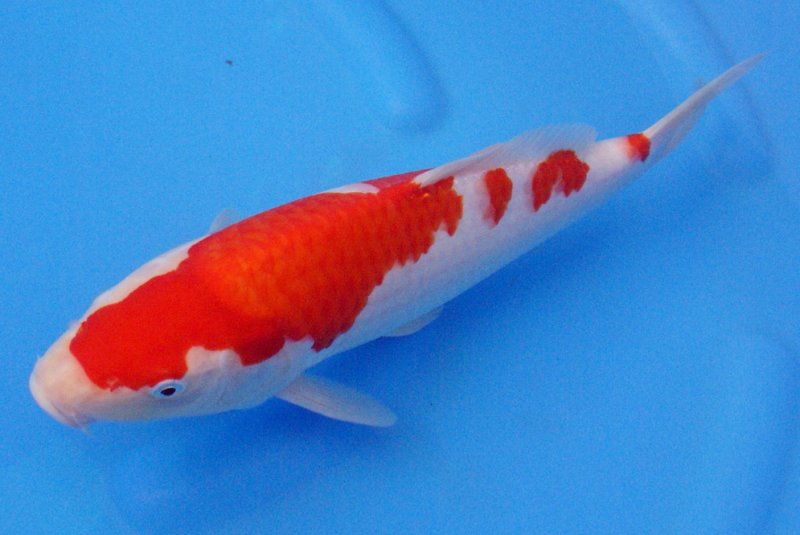
High-quality color quality
As an ornamental fish, the body color of koi is a very important focus of appreciation, and the quality of these body surface colors naturally becomes an important standard for appreciating high-quality koi.
The senior technicians at Jiashun Koi revealed one of the secrets: the fish's eyelids can be white or blue. Generally speaking, if the fish's eyelids are blue, this koi will not easily fade during later growth.
How do you evaluate whether the quality of the color is good or bad? First, the color should be pure, rich, and glossy. If the color is not pure and has mixed colors, it is not a high-quality color; if the color is thin and very light, it is hard for it to show its brightness, and such color quality is very poor. A koi with this kind of color quality is definitely not a high-quality koi; although some color patches may be pure and rich in color, if the base color shows through within the color patch, forming what is commonly called a “skylight,” it also cannot be considered good color quality, and this is not the color quality a high-quality koi should have. Glossy color quality shows excellent luster; rich color with a glossy appearance shows its color even more brightly. If the color is pale, dark, and lusterless, then its bright color cannot be shown, so it is likewise not the color quality a high-quality koi should have. Second, because koi differ in bloodline and strain, the depth and thickness of their colors also differ. Also, the white patches among koi color patches, which manykoi varietieshave, are called white quality, and in recent years white quality has also been a color emphasized in Japan's national competitions and various world competitions, and its color quality directly affects their score and award ranking. High-quality white patches are fine, snowy white, and free of mixed colors, while low-quality white patches are grayish and dull, or yellowish, which lowers the color quality of the white patches. This is not the color quality that high-grade koi should possess. Therefore, when appreciating the color quality of koi, we should make specific judgments according to their specific bloodline and strain.