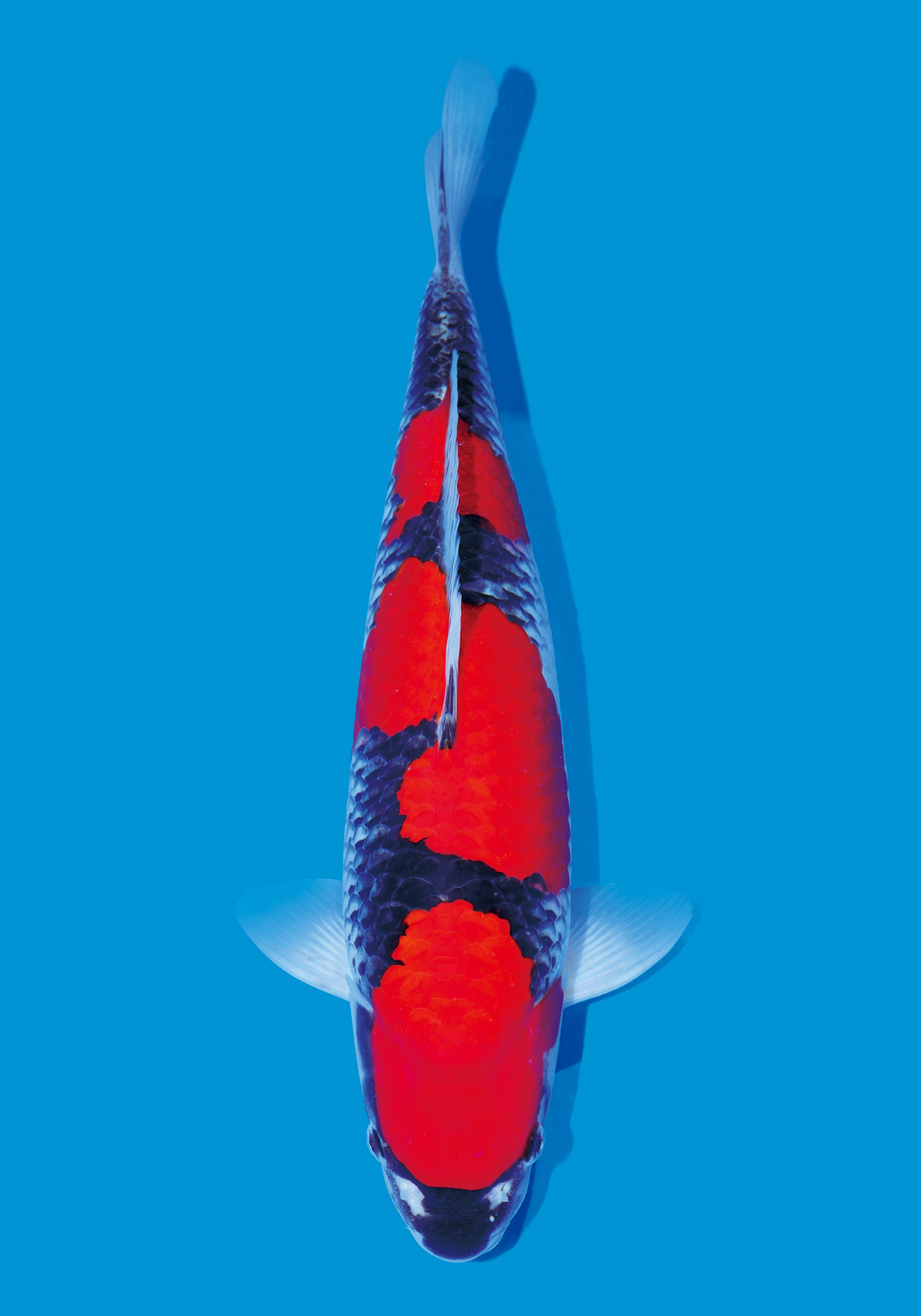
What Are Five-Colored Koi Like? An Analysis of the Color Characteristics of Yellow Bekko Koi
Introduction to Five-Colored Koi. Five-colored koi are produced by crossing light yellow koi with three-colored koi, and are named five-colored because they carry white, red, black, blue and indigo on their bodies. In the white five-colored type, those with a beautiful red pattern are especially prized. Five-colored koi change greatly before the age of 2, so at 1 year old they must be observed in detail for skin...
Five-colored koi are produced by crossing light yellow koi with three-colored koi, and are named five-colored because they carry white, red, black, blue and indigo on their bodies. In the white five-colored type, those with a beautiful red pattern are especially prized.
Five-colored koi change greatly before the age of 2, so at 1 year old they must be observed in detail for skin base and quality. By the age of 3-4, their quality is clearly expressed, just like the Gosanke.
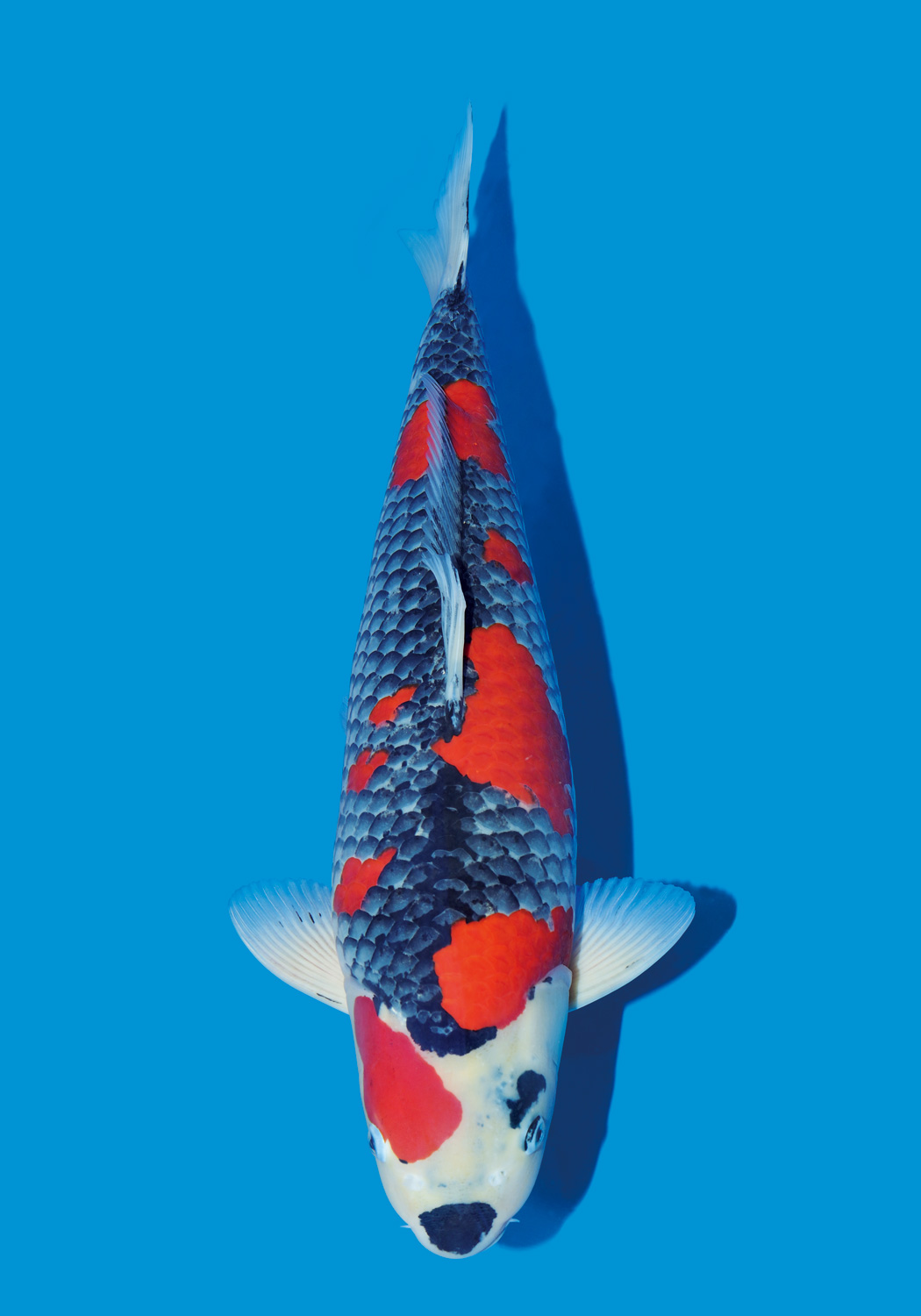
Although five-coloredkoi fishare not very common, duringkoi breedingtheir requirements for water temperature and water quality are the same as those of other koi. With a water temperature in the range of 20 to 30 degrees, their adaptability to the environment is also very strong.
In recent white five-colored koi, the red pattern is not polluted by black spotted patterns; most have blue emerging on a white base. So if you are considering showing, besides paying attention to the beauty of the pattern, you should pay attention to the beauty of the red pattern.
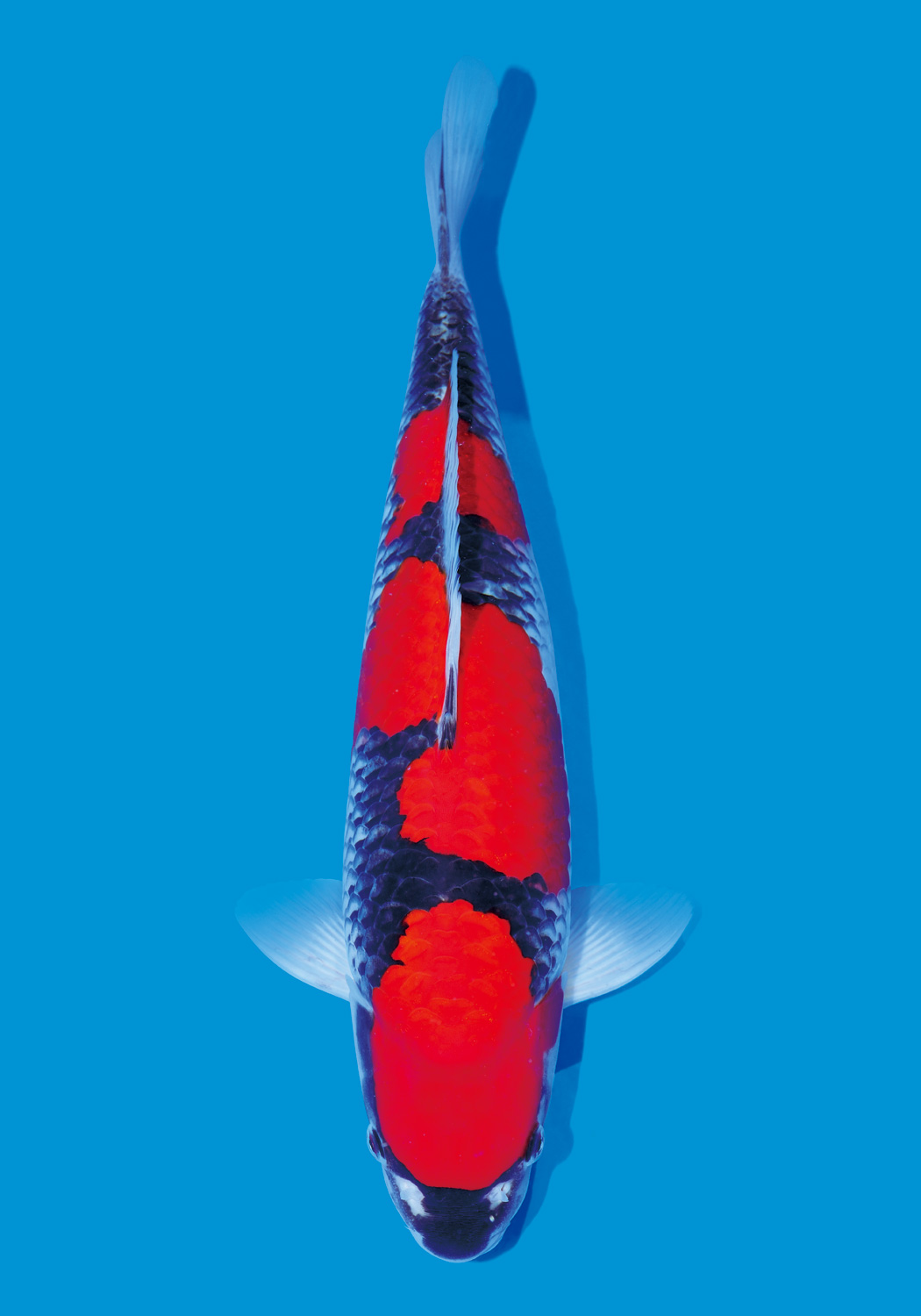
1. Body shape: A five-colored koi is required to have a straight back, a body balanced left and right, a steady and upright swimming posture, and a strong, powerful body. The shape of the cheeks and the position of the mouth should be proper, without distortion, full at both ends and not sunken; all fins should be symmetrical and complete, and movement should be nimble..
2. Time: Generally choose ones about 50 days after birth, as this makes observation easier and prevents being deceived.
3. Color: Choose ones that are bright, vivid and relatively deep in color, and the most important point is that the edges are neatly cut and dazzling. Only then can it be considered a genuine five-colored specimen.