-

Integrated control effect reaches 85% in alligator weed control demonstration zones
This website reports: On October 13, a national on-site eradication event for the invasive alien species alligator weed was held in Jiangyan District, Taizhou City, Jiangsu Province. Alligator weed is one of the world's ten most noxious weeds and one of the key invasive alien species under control in China. The agricultural resource and environmental protection departments
-
How to manage perennial invasive weeds? An introduction to practical control methods
Weed control: no matter what crop you grow, weed problems will always exist, so how do you manage weeds? Do you know how? If not, then let's find out together. The interference of weeds with the normal growth of crops differs from the damage caused by pathogens and insects and other pests (p
-
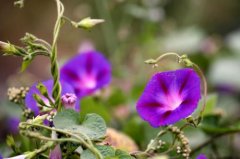
Introduction to the Morning Glory Weed and How to Control Its Numbers and Eliminate It
Due to its ability to spread quickly and take over garden areas, the morning glory weed in the garden can be seen as a nemesis. Or, you can release that tension and go zen by admiring the twining vines and lovely soft flowers. Most gardeners want to know how
-
5 Major Methods for Weed Control in Winter Wheat Fields to Help Wheat Overwinter Safely and Increase Yield
Wheat belongs to the genus Triticum in the grass family (Poaceae). It is one of the earliest cultivated crops in the world, and through long-term development it has become one of the food crops with the widest distribution, the largest area, the highest total production, the largest trade volume, and the highest nutritional value in the world. So how do you control weeds in winter wheat
-
The best time for winter weed control in wheat fields and how to control wild oats
Abstract The best time for weed control in winter wheat fields is from mid-November to early December, that is, when wheat seedlings have grown to 4 leaves. Generally, 30-45 days after wheat sowing is the best time to control wild oats, that is, the control effect from November 1 to 20 is relatively good, because
-
Chemical Weed Control Methods for Bupleurum Before and After Sowing and During the Growing Period
1. Pre-planting chemical weed control. For wasteland, second-time wasteland or fallow land with many perennial weeds, 10-15 days before land preparation or during the period of vigorous weed growth, spray 1000 ml of 10% systemic translocated-type non-selective herbicide glyphosate aqueous solution per mu ("Nongda" and "Feida" also belong to the same type of product).
-
Weed Control Methods in Schisandra Planting Fields
1. The survey results of weed species in Schisandra fields show that the weeds causing serious damage in Schisandra fields include barnyardgrass, crabgrass, amaranth, lambsquarters, field horsetail, foxtail, and shortawn foxtail, among which crabgrass, Asiatic dayflower, and lambsquarters cause particularly severe damage. 2. Conventional control of weeds in Schisandra orchards
-
Key Points for Disinfection and Weed Control in Cotton Seedling Raising
Recently, a farmer from Shuqiao Village, Wuluo Town, Yunmeng County, Hubei Province, called to ask about pesticide use on cotton. Here, in response to two issues farmers care about in cotton seedling raising, I will discuss the precautions for pesticide application for prevention and control. First, does the seedbed soil still need to be disinfected when raising seedlings from coated cotton seed?
-
Pollution-free control techniques for diseases, pests, and weeds in jujube trees
Fully implement the plant protection policy of giving priority to prevention and comprehensive control, base efforts on improving the orchard ecological environment and strengthening cultivation management, give priority to agricultural and ecological regulation measures, pay attention to protecting and utilizing natural enemies, and give full play to the natural control role of natural enemies. Select high-efficiency
-
Key Field Management Techniques for Fig Cultivation
(1) Intertillage and weed control: In young orchards, intertillage and weed control should be carried out once each in spring, summer and winter, and winter intertillage should be combined with earthing up to prevent freezing. In mature orchards, intertillage should be done during the dormant period, and in summer the ground should be covered with grass, which can both suppress weed growth and prevent drought and preserve soil moisture. If weeds still grow, they can
条件筛选