-

How to grow African violets? A detailed cultivation guide
A while ago I had the idea of writing down how to grow African violets, but I kept putting it off, feeling it was not mature or certain enough. Below I will briefly talk about my journey of growing African violets, for fellow flower lovers to refer to. Cultivation section, 1. In the first few years I grew some Bianfen African violets on and off.
-
Ten Essential Tips for Growing African Violets
Many flower lovers encounter numerous problems when growing African violets. One flower lover obtained the cultivation secrets from Uncle Fa, an expert on African violets, which are extremely useful for flower lovers. Now they are shared for all to enjoy: Problem One: Stems are weak and thin, leaves are smaller than normal, flowers are sparse or do not bloom at all. Cause: Insufficient light
-
What are the precautions for growing African violets at home?
Precautions for growing African violets at home. African violet: also known as African violet (Saintpaulia), it is a perennial herbaceous plant. It likes ample diffused light to grow vigorously and bloom. The potting soil for African violets should not be too dry or too wet, and when watering, do not pour water on the leaves, otherwise yellow spots or rotting leaves will appear on the leaf surface.
-
-
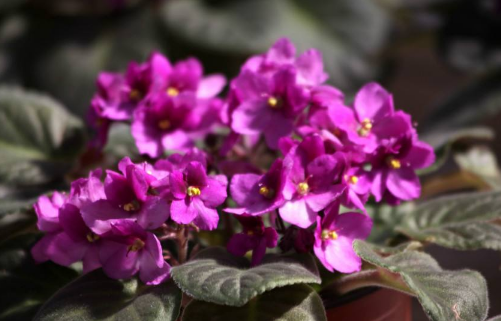
A Detailed Guide to Growing African Violets from Seed
Sowing time: either spring or autumn works; for greenhouse cultivation, autumn sowing in September to October gives a higher germination rate. Soil: African violet seeds are very small, so the potting soil for sowing must also be fine; after sowing, do not cover with soil, just press flat. Temperature: the optimal growing temperature for African violets is about 18-26°C
-
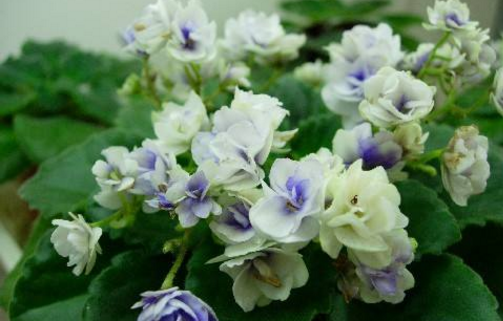
How to grow and care for African violets
Temperature African violets very much like to grow in a warm environment. Their optimal growing temperature is between 16-24°C; from April to October the temperature should be kept between 18-24°C, while from October to April of the following year it should be maintained between 12-16°C. African violets do not like hot weather
-
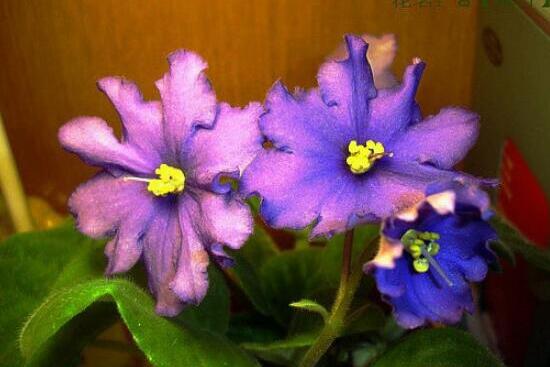
How to fertilize African violets? Light, frequent feeding lets them bloom all year round
African violets are a flowering plant very well suited to indoor growing; they are not only good-looking but also help purify the air and beautify the home. However, to bring out the full benefits of African violets, proper fertilizing is key, as it can keep them blooming all year round! So how do you fertilize African violets?
-
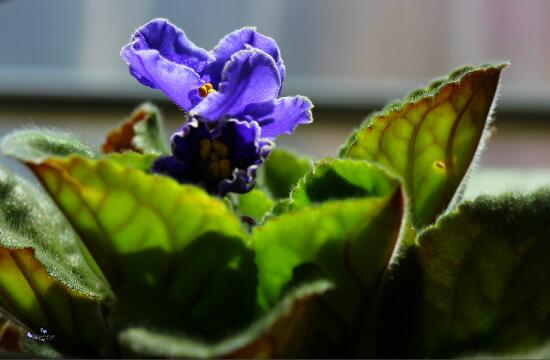
How to grow African violets? Detailed guide to growing methods and precautions
African violets, anyone who has seen them should be deeply impressed. Their flowers are small and delicate, with rich and varied colors, and they are highly ornamental when grown indoors. In daily life, because African violets look beautiful, many people want to grow them, so how do you grow African violets?
-
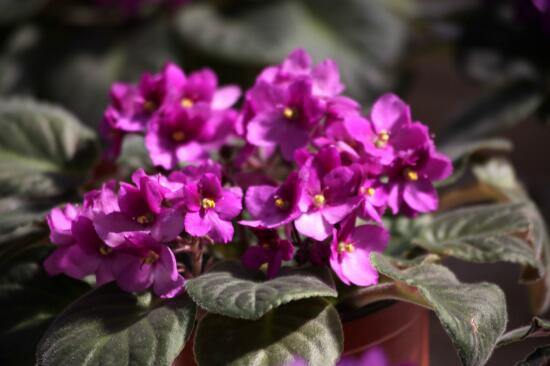
How to care for African violets in winter? Give them more sun and raise the temperature
When growing plants indoors, the thing to fear most is winter, and African violets are no exception. Once the ambient temperature is too low, they will suffer frost damage or even freeze to death. So how do you care for African violets in winter? In order for African violets to overwinter safely
-
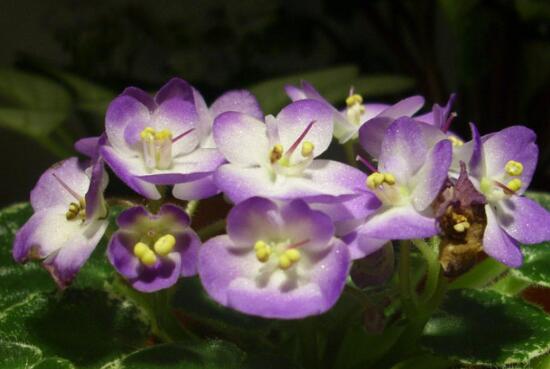
What to Do When African Violets Won't Bloom? Sufficient Light Is Needed for More Flowers
As a common ornamental flower, the beauty of the African violet is beyond doubt. Its leaves are emerald green, and its flowers are rich and vivid in color, making it extremely pleasing to the eye when grown indoors. But as people care for them, many flower lovers find that their plants simply won't bloom. So what should you do when African violets won't bloom? Only with more flowers is their ornamental value higher.
条件筛选