-
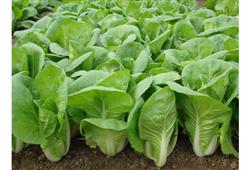
Application Methods of Potassium Fertilizer in Vegetable Cultivation
There are many types of potassium fertilizer, and different types have different application methods. Commonly used potassium fertilizers include potassium chloride, potassium sulfate, potassium-magnesium fertilizer and plant ash. Potassium chloride and potassium sulfate are physiologically acidic fertilizers and should be applied together with lime and organic fertilizer. For chlorine-sensitive crops such as potatoes, potassium chloride and potassium-magnesium fertilizer with high chlorine content should not be applied...
-
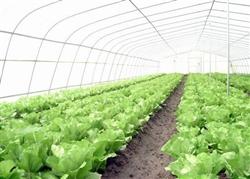
Why is it not advisable to apply too much organic fertilizer to vegetables?
Traditional agriculture holds that vegetable fields should be heavily fertilized with organic fertilizer, and some vegetable growers even believe that the more organic fertilizer, the better. However, according to the results of many experiments carried out in various places in recent years, appropriately increasing the application of organic fertilizer can effectively control the nitrate content of vegetables, while blindly increasing the application of organic fertilizer will cause the nitrate content of vegetables to exceed the standard. Vegetable nitrate...
-
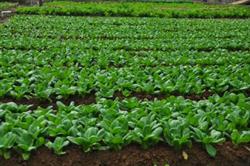
Foliar fertilizer spraying methods for vegetables vary by variety
Leafy vegetables such as Chinese cabbage, spinach, shepherd's purse, etc. need more nitrogen, so the fertilizer sprayed should mainly be urea and ammonium sulfate, with a urea spraying concentration of 1%-2% and ammonium sulfate of 1.5%, sprayed 2-4 times per season, preferably during the early growth stage. Fruiting vegetables such as chili peppers, eggplants, tomatoes, green beans and various melons have a...
-
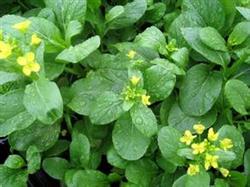
How to Choose a Seed Fertilizer for Vegetables? These Six Fertilizers Should Not Be Used
Seed fertilizer refers to fertilizer applied at the same time as sowing or mixed with the seeds. The main role of seed fertilizer is to meet the nutrient needs of the seedling roots, because the fertilizer is right near the seeds, and the seedling root system can quickly absorb the nutrients. Seed fertilizer has a great effect on vegetable seeds; if chosen properly, it can ensure that vegetable seeds germinate smoothly and...
-
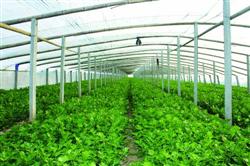
How to Use Organic Fertilizer Reasonably in Vegetable Production
Applying organic fertilizer in vegetable production can achieve the goal of continuously supplying various nutrient needs in the crop root zone, gradually improve the organic matter and buffering capacity of vegetable garden soil, and play an important role in reducing soil-borne diseases and continuous cropping obstacles. Therefore, vegetable production has always attached importance to the application of organic fertilizer. However...
-
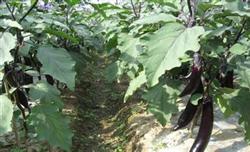
Technical Guidance on the Application of Commercial Organic Fertilizer for Solanaceous Fruit Vegetables
Solanaceous fruit vegetables include tomatoes, eggplants, peppers and other vegetables whose harvested fruit is the product; they are warm-loving, fertilizer-tolerant vegetables. According to the growth stage, methods such as broadcast application of base fertilizer, strip trench application of topdressing, hole application of transplanting fertilizer, and root dipping are generally used. The application rate of commercial organic fertilizer should be scientifically determined according to the needs of different vegetables and soil nut...
-
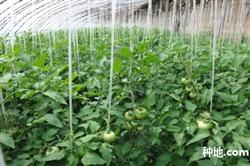
Correct application methods for topdressing water-soluble fertilizer for greenhouse vegetables
How should fertilizer be applied as a topdressing with irrigation when growing vegetables in greenhouses? A request for technical guidance. In greenhouse vegetable production, many farmers apply water-soluble fertilizer as a topdressing with irrigation too frequently and in excessive amounts, often causing soil compaction, root rot, root waterlogging, and plant wilting, which seriously affects farmers' economic returns. For this reason, it is recommended that in greenhouse vegetable production, fertilization should follow the "four combinations"...
-
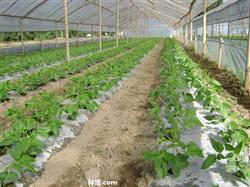
What are the precautions for using water-soluble flush fertilizer on greenhouse vegetables?
What should be noted when using flush fertilizer for greenhouse vegetable cultivation? Seeking answers. As a new type of topdressing, flush fertilizer is welcomed by the majority of farmers because of its features such as easy application, easy absorption and fast fertilizer effect. Especially in greenhouses with protected cultivation, it has been applied over a large area and achieved good economic benefits. Greenhouse veget...
-
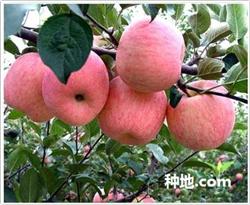
How to correctly apply potassium fertilizer to vegetables and fruit trees
How should potassium fertilizer be applied when growing apples? Need guidance. Potassium is one of the important elements needed by fruit trees, especially for improving apple quality and enhancing fruit quality, where it plays an irreplaceable role, so potassium fertilizer is also called fruit fertilizer. Applying potassium fertilizer at the right time and in the right amount can noticeably increase fruit size, raise sugar content, and improve color. ...
-
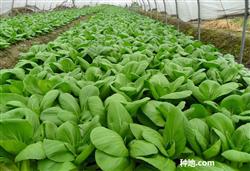
What is the correct method for applying potassium fertilizer to vegetables?
How do you apply potassium fertilizer when growing vegetables? What should you pay attention to? Potassium is one of the three essential fertilizer elements. Many vegetables need more potassium than nitrogen or phosphorus. Well-grown vegetables contain potassium at 2.5%-7% of their dry matter, higher than their nitrogen and phosphorus content. Most vegetables absorb more potassium than nitrogen. For example, cucumber absorbs nitrogen...
条件筛选