What are the precautions for using water-soluble flush fertilizer on greenhouse vegetables?
What should be noted when using flush fertilizer for greenhouse vegetable cultivation? Seeking answers. As a new type of topdressing, flush fertilizer is welcomed by the majority of farmers because of its features such as easy application, easy absorption and fast fertilizer effect. Especially in greenhouses with protected cultivation, it has been applied over a large area and achieved good economic benefits. Greenhouse veget...
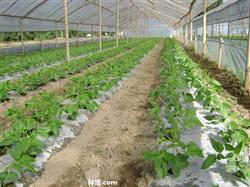
What should be noted when using flush fertilizer for greenhouse vegetable cultivation? Seeking answers
As a new type of topdressing, flush fertilizer is welcomed by the majority of farmers because of its features such as easy application, easy absorption and fast fertilizer effect. Especially in greenhouses with protected cultivation, it has been applied over a large area and achieved good economic benefits. When flush fertilizer is applied to greenhouse vegetables, the fertilizer effect is rapid and it helps increase crop yields. Especially when greenhouse vegetable crops are cultivated in winter, because of low temperature, insufficient sunlight and other conditions, the conventional soil topdressing method often produces unsatisfactory results. If a suitable high-quality flush fertilizer is used for topdressing according to local conditions, the effect is very significant. Not only do the vegetables increase in yield, but the fruit also has good coloration, an attractive shape and good taste, which is deeply welcomed by vegetable growers. However, in recent years it has been found that because many vegetable growers apply flush fertilizer too frequently and in excessive amounts, adverse phenomena such as soil compaction, root drowning and vegetable plant wilting occur in greenhouse vegetable plots. In some places this has even become a limiting factor restricting high yield and high quality, attracting the attention of the majority of vegetable growers. Flush fertilizer is actually the dissolving of solid quick-acting chemical fertilizer in water and applying fertilizer in a way that carries fertilizer with water. Usually water-soluble chemical fertilizers are used, mainly nitrogen fertilizer and potassium fertilizer, with little phosphorus content, and extremely trace amounts of trace elements such as calcium and magnesium. Some types of flush fertilizer also contain humic acid. The effect of flush fertilizer is limited to the soil surface layer. In addition, with plastic film mulching and the relatively high temperature in the greenhouse, there are many and large surface roots. If low temperature and cold waves are encountered or some inferior fertilizers are used for flushing, root burning is often likely to occur, causing root rot. One-sided use of large amounts of nitrogen fertilizer and abuse of flush fertilizer can also lead to excessive vegetative growth of vegetables, reduced quality, lower fertilizer use efficiency, and intensified salinization of greenhouse soil properties.
Get more water-soluble fertilizer application techniques
Get more fertilizer application techniques